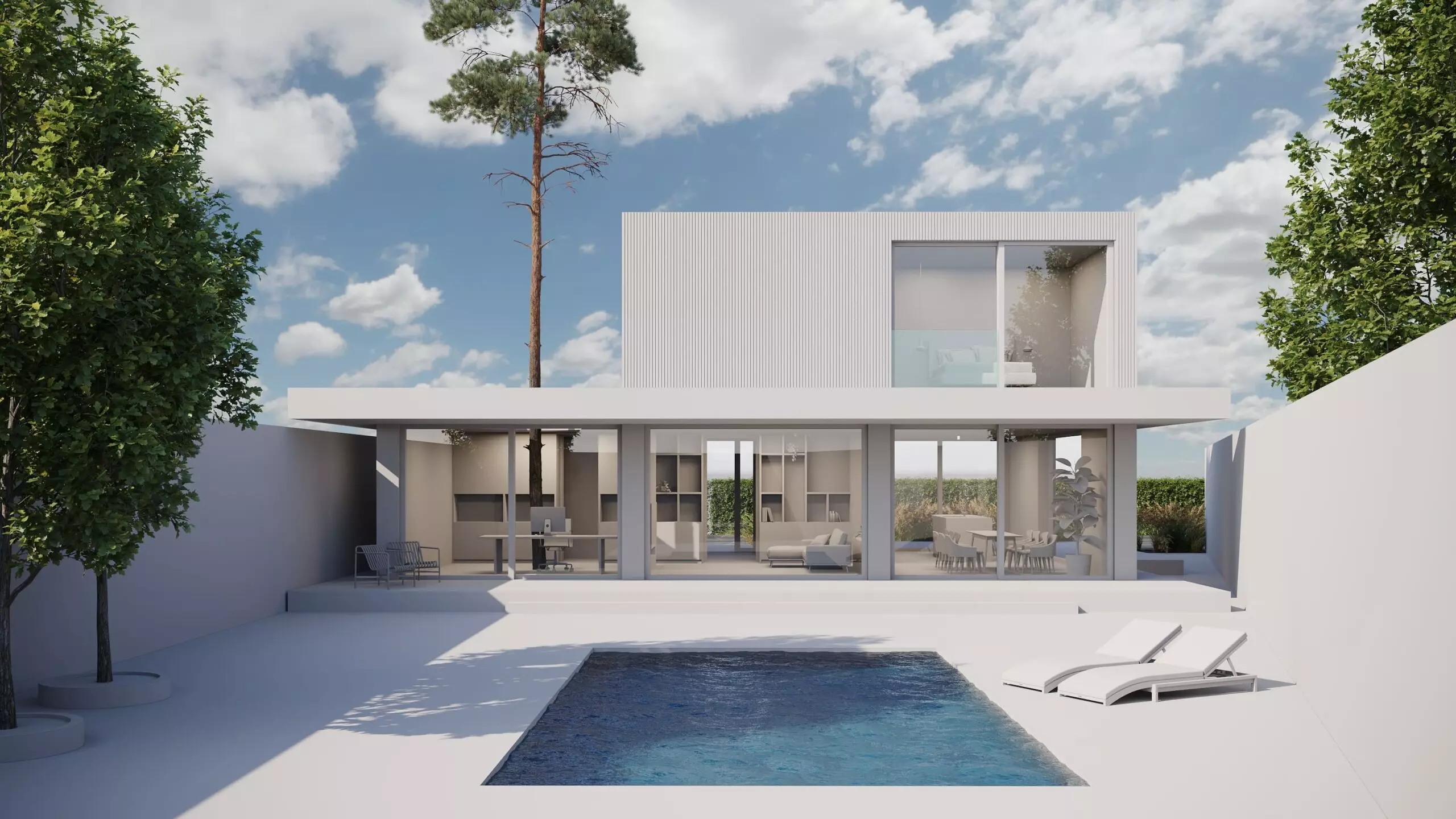
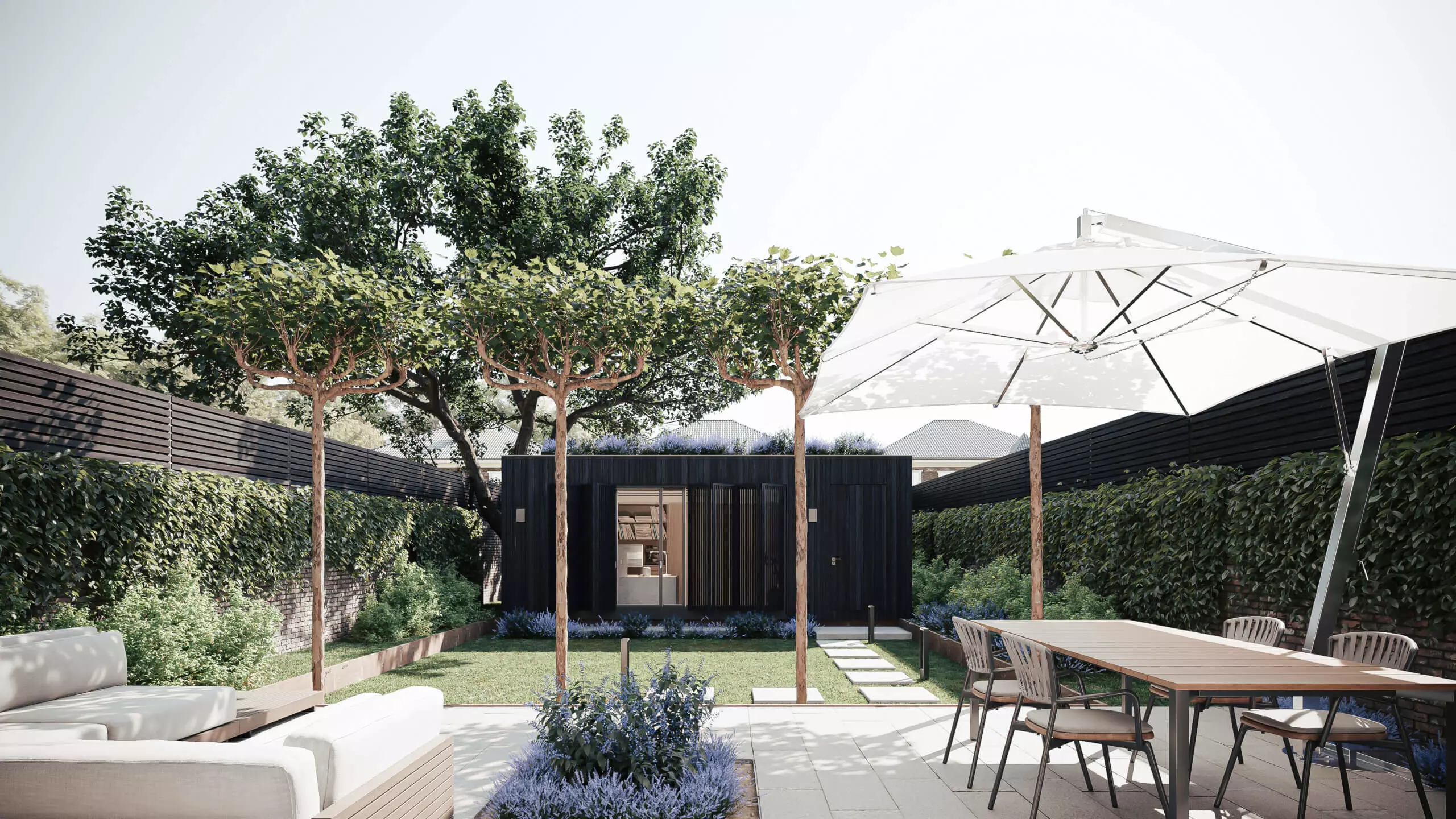
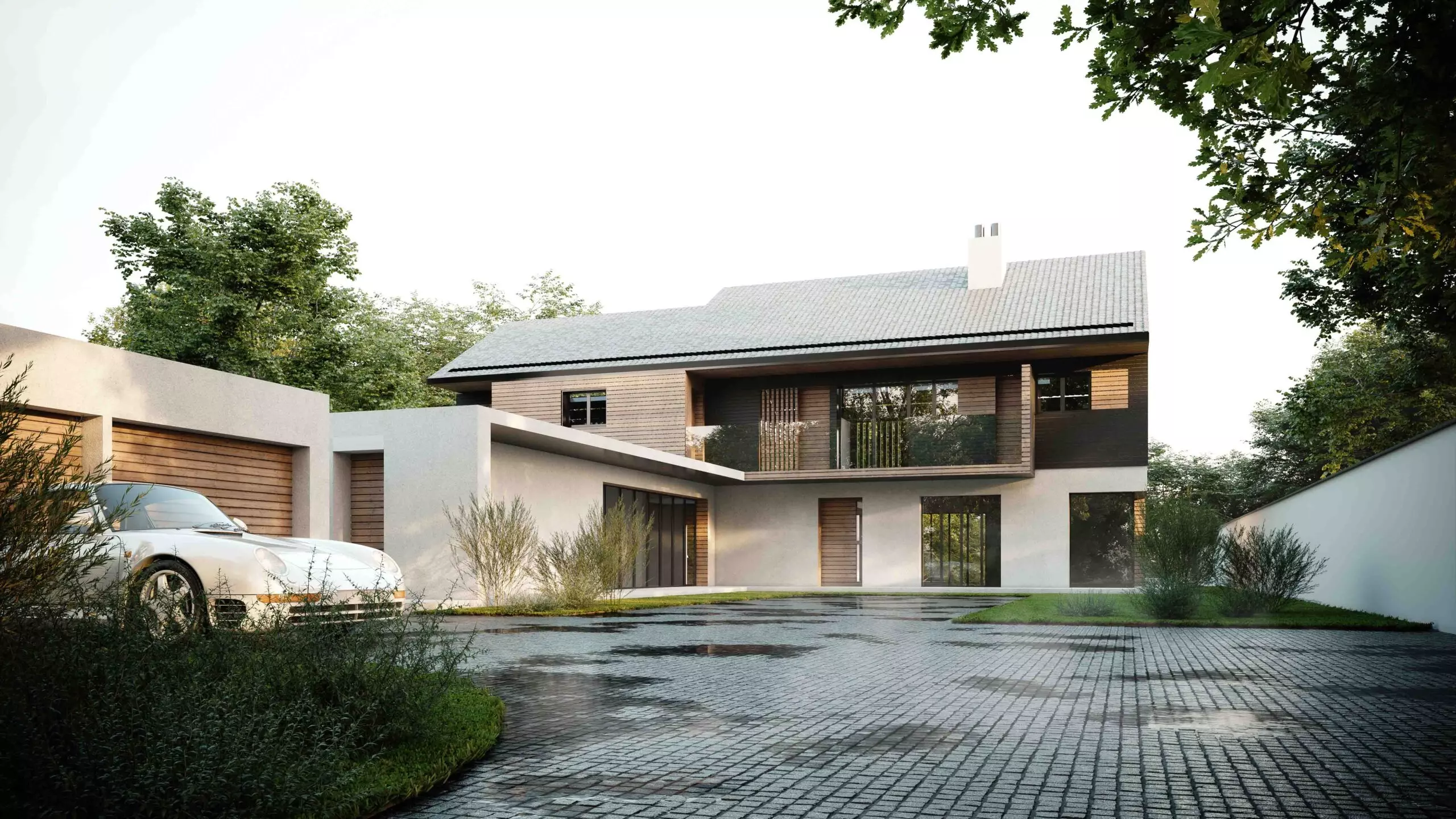
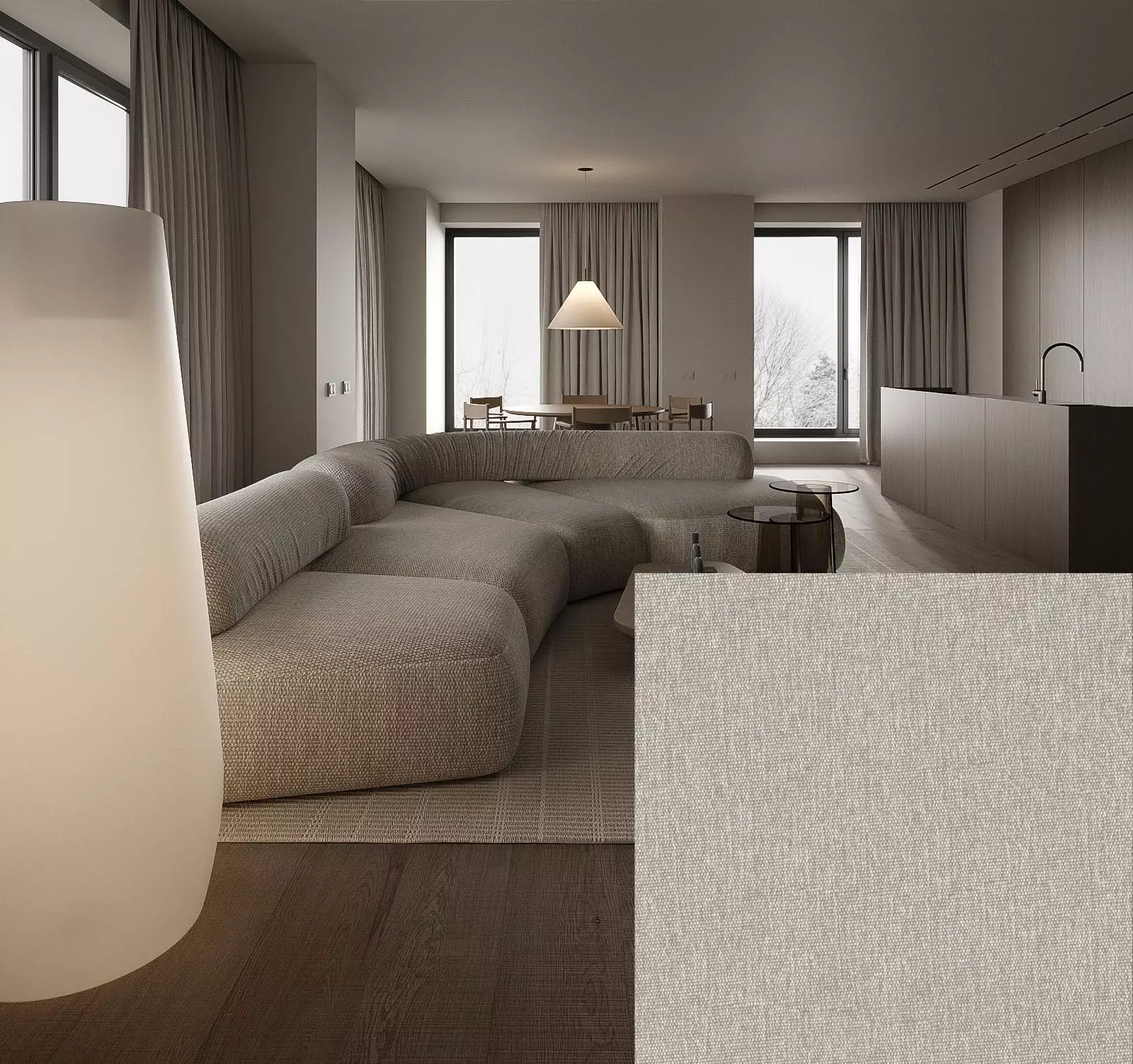
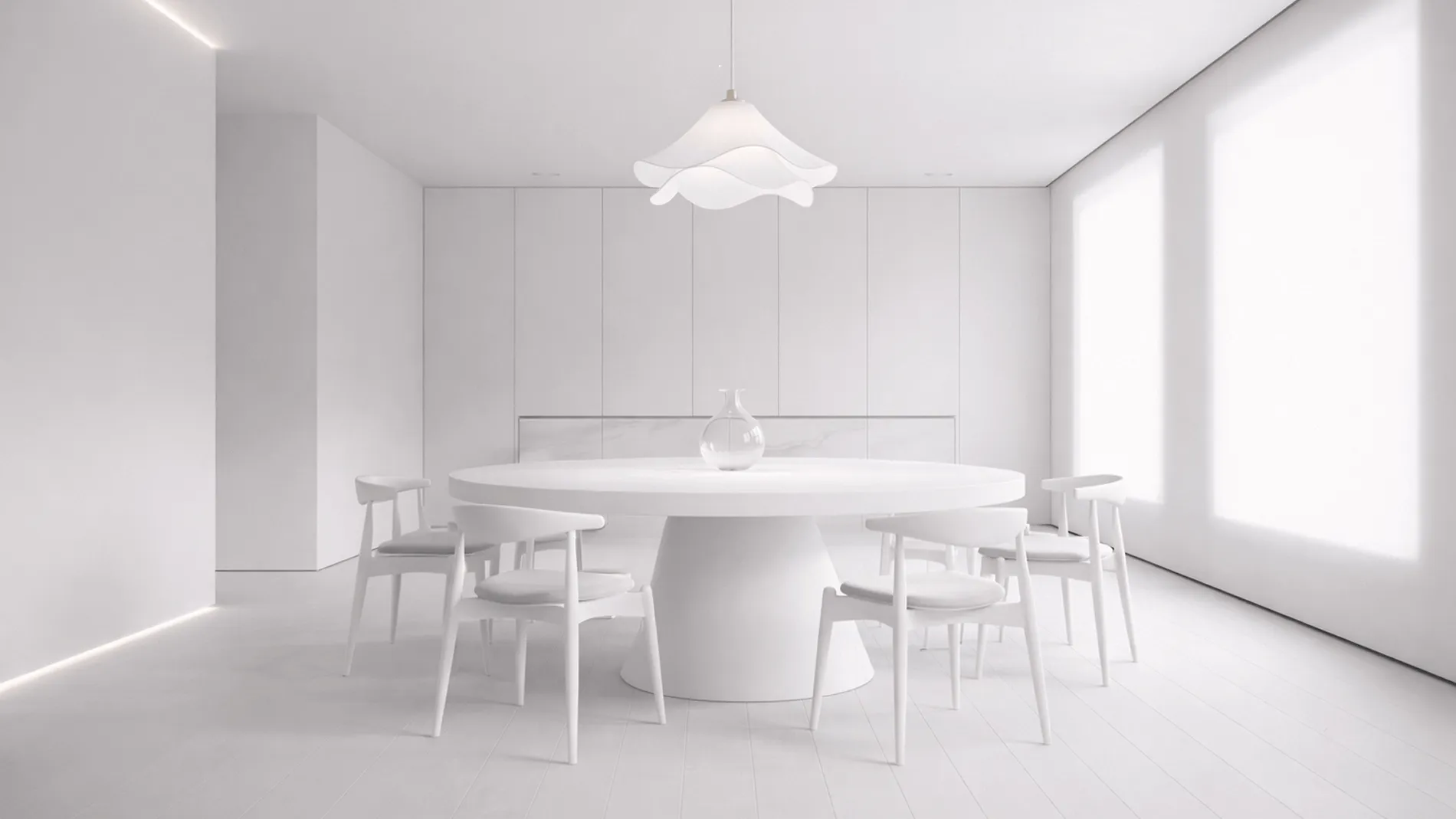
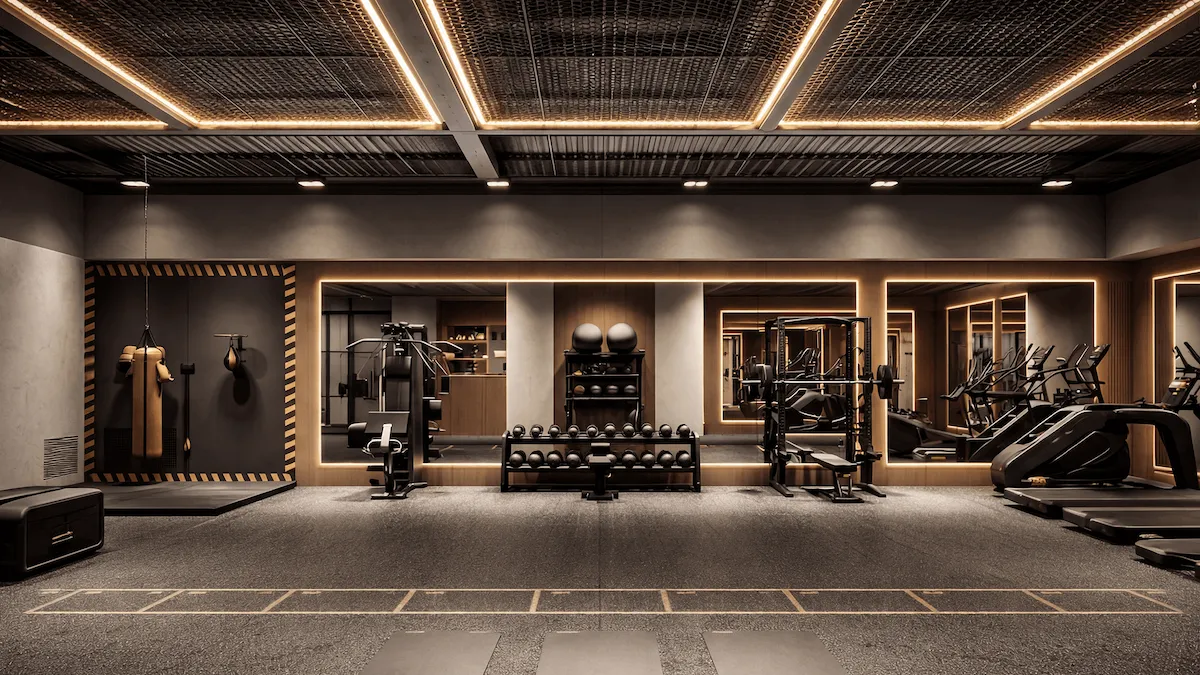
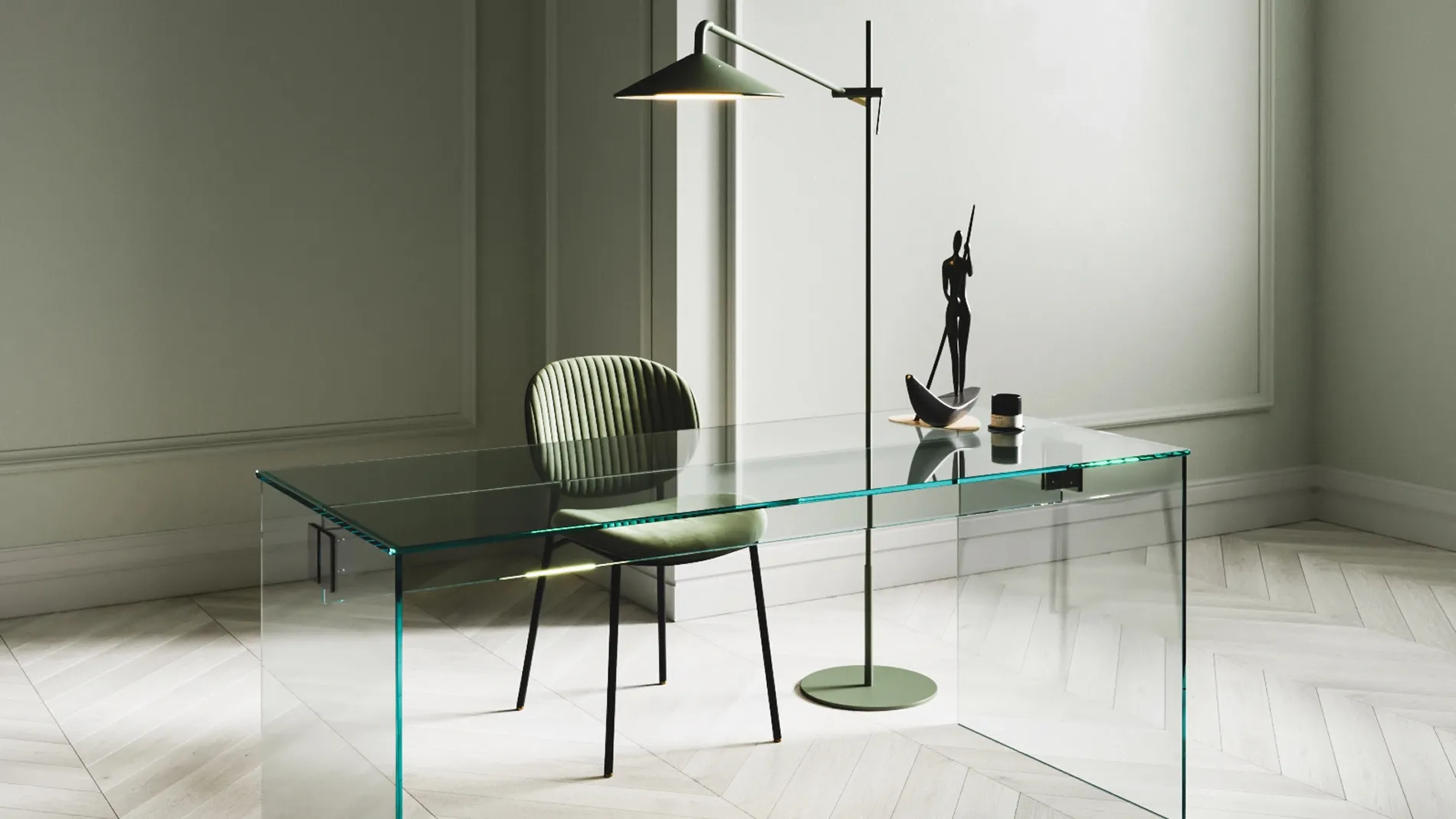
As we know, the goal of renderings is to convey the view of an architect and make everything perfectly detailed and understandable. To exhibit the design’s full potential, there must be atmospheric effects that have a mood; this is why there are 3D architectural modeling services.
3D architectural modeling entails creating detailed 3D images of both interior and exterior. These 3d architectural drawings serve as the basis for producing top-quality renderings. By using advanced software and strategies, 3D modeling can rightfully be called a priceless tool for design.
Request a 3d architectural modeling quote
Why does the atmosphere matter?
We need an atmosphere because they add tangibility, depth, and emotional engagement to the image. Here are some reasons why the atmosphere is important:
Realism: The addition of atmospheric elements creates a more natural look of the design. It makes it easier for viewers to ‘see’ the space as they would experience it in real life.
Mood and Emotion: Atmosphere determines how a rendering feels. Whether it’s warm and cozy indoors or a sleek modern exterior, a well-designed atmosphere can cause specific reactions and emotions that make the design more captivating.
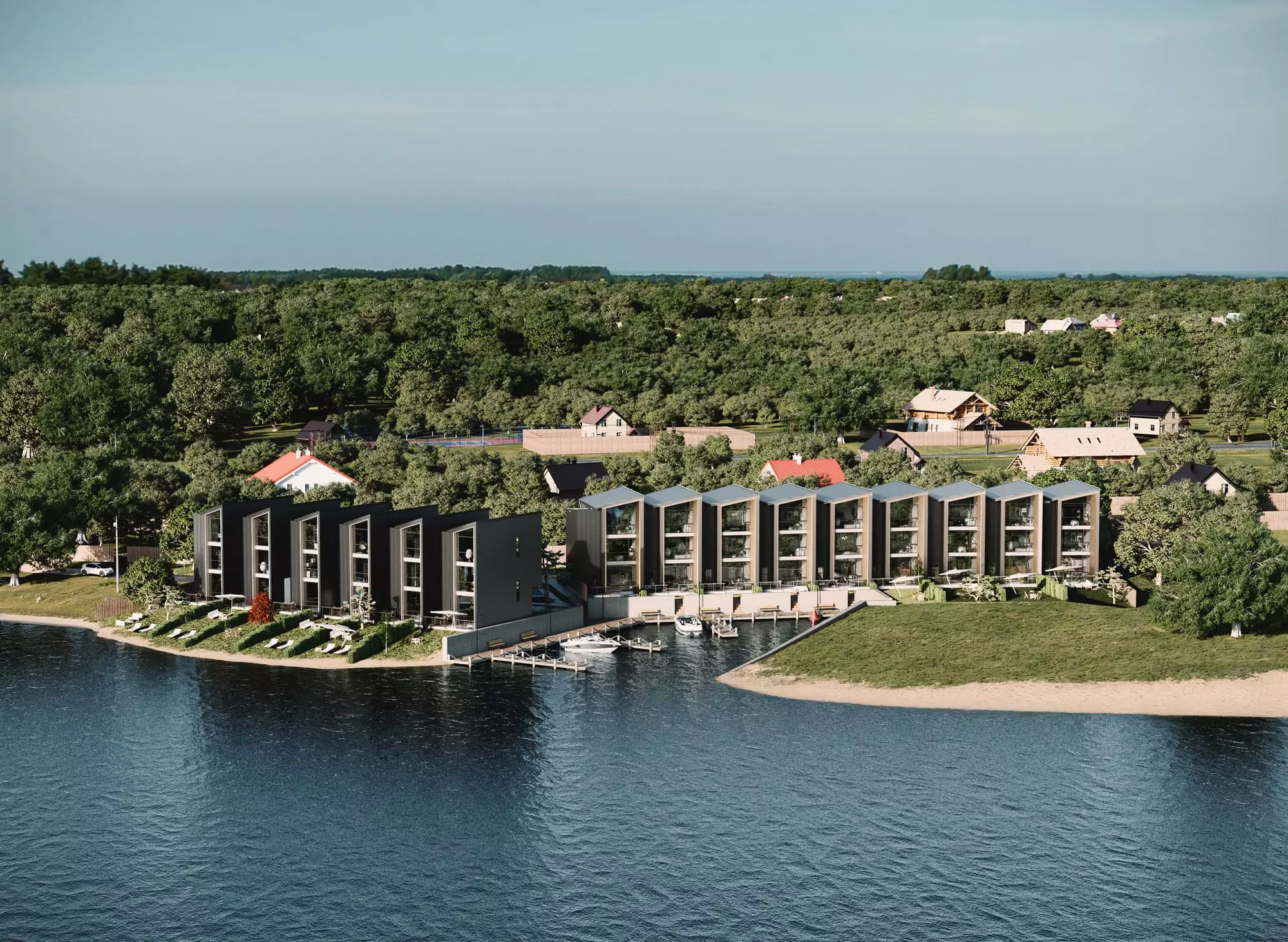
Context: Including atmospheric details like surrounding landscapes, weather conditions, and time of day helps us locate the building within its intended environment, hence providing a clearer comprehension of how it interacts with its environs.
Visual Appeal: A well-rendered atmosphere makes them visually attractive. They can emphasize salient features, create interesting oppositions and direct viewer’s attention towards significant elements of design.
Communication: Atmosphere aids in better conveying the architect’s vision to various audience groups. It helps clients to get a good understanding of what concept stands for thus making it easier for them to articulate ideas and give some feedback.
Ultimately, atmosphere improves 3D architectural renderings by making them not only aesthetically pleasing but also informative and having emotional connections.
How it makes your work better
Better model detail
Increasingly more detail in models is one of the ways in which 3D architectural modeling services perfect atmospheric renderings. Conventional two-dimensional drawings can only provide limited information about a building plan leading to misinterpretations or even no clarity at all.
On the contrary, three-dimensional models enable one to take a comprehensive look at different aspects of design thus accurate representation of fine details becomes possible.
Architectural elements might include:
Walls, roofs, windows and doors.
Structural components like beams, columns, or foundations.
Interior features: furniture items such as fixtures or decorations.
In this case, the final representations appear very good visually while at the same time being accurate as compared to real life hence give a true experience about how it will be after finishing.
Texture applying techniques
This is a key factor in atmospheric renderings. They make a model pop up by adding depth, color and realism into it.
3d architectural softwaresimulates many kinds of materials:
Natural: Wood, stone, and marble.
Artificial: Metal, glass, and concrete.
Textiles: Fabrics, carpets and wallpapers.
Moreover, these texture changes can be made to reflect different conditions such as weathering or tearing as well as various lighting situations. The accuracy in terms of application and manipulation of texture materials is important in creating authentic looking renderings with the help of modern tools.
Illumination including shadows
Lighting creates an atmosphere in architectural rendering. It helps set the tone for a space, highlight its main features, or even make it appear completely different. This allows 3D architectural modeling services to produce renderings that are both natural and appealing using sophisticated techniques for lighting.
Here are some key methods used:
Simulation of Natural Light Sources: sunlight, roof skylight, moonlight.
By faithfully reproducing shadows on surfaces or reflections and highlights on materials designers can give depth to their renderings. Attention has been drawn here on how lighting specifics affects the atmosphere with regard to whether it is cozy interiors or gloomy exteriors.
Request a 3d architectural modeling quote
Final touch
This is the last step of creating nice atmospheric images. Using different software tools to add any desirable effect, this step involves enhancing these architectural 3d renders. Final processing is a necessary part of the workflow of 3D architectural modeling services to make perfect and professional final images.
Within post-processing, designers can:
Alter Colors: Hue, saturation, brightness.
Improve Contrast and Sharpness: Enhance clarity and detail.
Include Effects: Bloom, lens flare, vignette.
Refine Details: Remove noise and play with lighting balance.
It is at this stage that the architectural 3d designs can be fine-tuned or crafted further in order to achieve the exact atmosphere or mood that an architect has in mind.
Improving the realism of the environment
For atmospheric renderings to be believable it must create a convincing environment. This includes not only the building itself but also elements such as surrounding landscape, weather effects and other contextual details that inform the entire scene.
To enhance realism of environments within their renderings; 3D architectural modeling services usually integrate these seamlessly into architectural models 3d.
These may comprise environmental details:
Landscaping: Trees, shrubs, grasses; water features like fountains.
These naturalistic depictions are essential for involving viewers in discussed circumstances as well as providing them with full emotional experience from a particular design concept being developed.
Photorealistic techniques
The core aim of photorealistic rendering techniques used in graphic designing is for atmospheric renderings, which cannot be distinguished from real-life shots.
For them to come up with accurate renditions concerning light behavior, materials, including efficiently rendering certain textures, are done using complex algorithms and computer tools. Renderings created by modeling services arrest one’s attention due to their realism aspect since they look genuinely true.
These techniques should consider the following:
Ray Tracing: The way light reflects off and through surfaces in a realistic manner.
Global Illumination: Simulating how light bounces off of objects, including indirect lighting.
High-Resolution Textures: These are very detailed textures that can survive intense scrutiny.
Advanced Shaders: Materials that mimic properties like transparency or shininess may be simulated using this feature.
Combining high-quality 3D models, accurate lighting, realistic textures and careful post-processing results in perfect 3d architectural visualizations. Designers who take note of everything such as the way light gets into a room through a window to the feel of an external brick wall can create images resembling real spaces.
Wrapping up
As you can see, the atmosphere really matters a lot. If you are a detail lover who puts the entire soul into projects, atmospheric modeling is what you need. If you have no clue of how to do it yourself, we canhelpyou with tasks of any complexity.
Rate article:
Nice
Average rating: 5 / 5
Vote count: 1
Yuri Prokopenko
Art Director at GENENSE
Yuri is responsible for the overall quality, workflow, and execution of exterior visualization projects. He ensures that every render meets high visual standards, maintains consistency across all production stages, and is delivered through a clear, structured process from concept to final output.
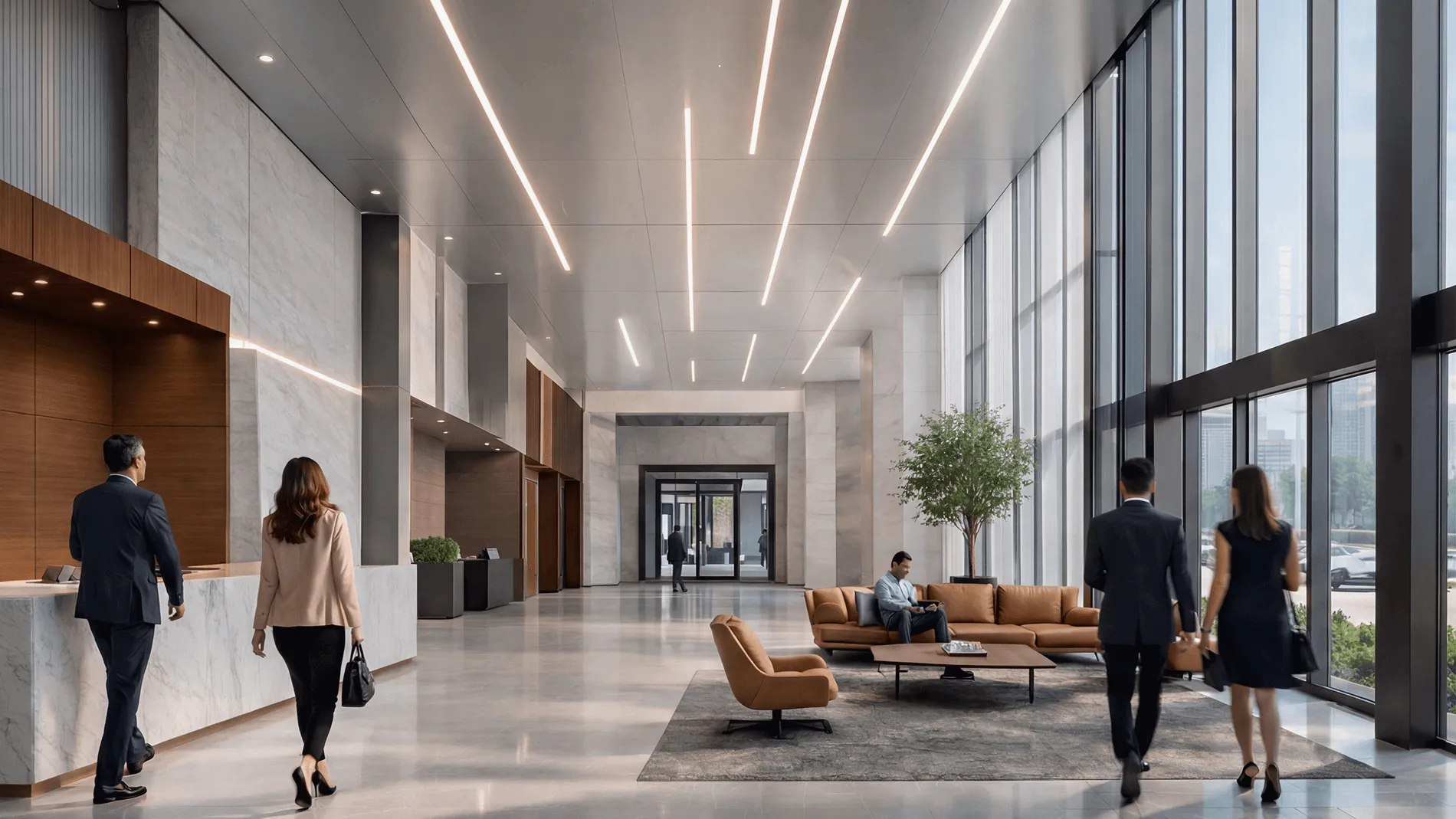
Why corporate headquarters need visualization that goes beyond “nice pictures.” Corporate headquarters are not just workplaces – they are strategic assets. Executive floors host investor briefings, R&D labs sit next to agile neighborhoods, and client areas must perform as brand touchpoints while meeting stringent acoustic, security, and wellness criteria. In this setting, office interior rendering […]
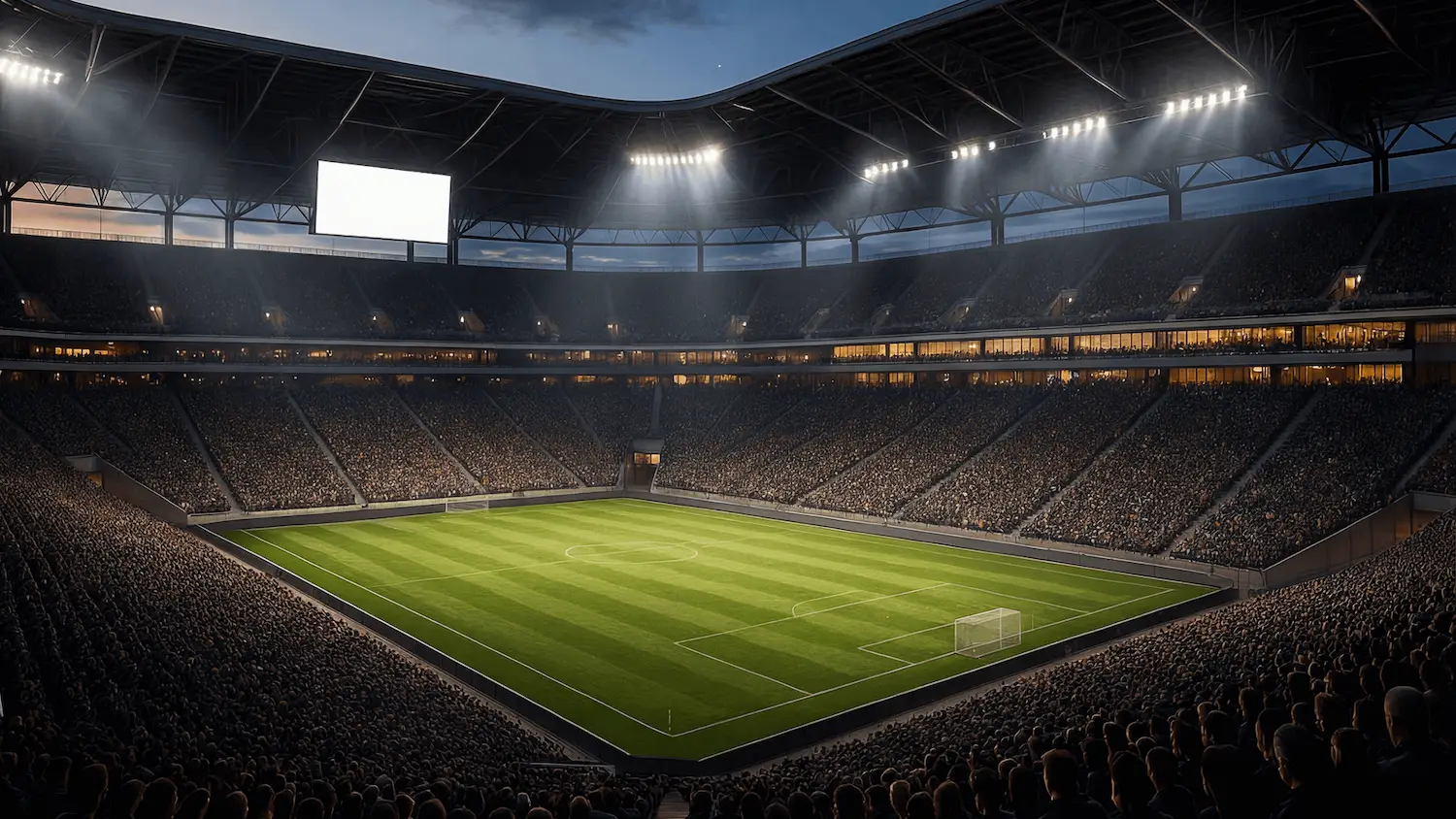
Why visualization makes or breaks a sports pitch Securing buy‑in for an arena, training complex, or campus rec upgrade demands more than attractive images. Decision‑makers need to understand how a building will move crowds, manage light and sound, and deliver revenue across game day and non‑event operations. This is where rigorous visualization turns vision into […]
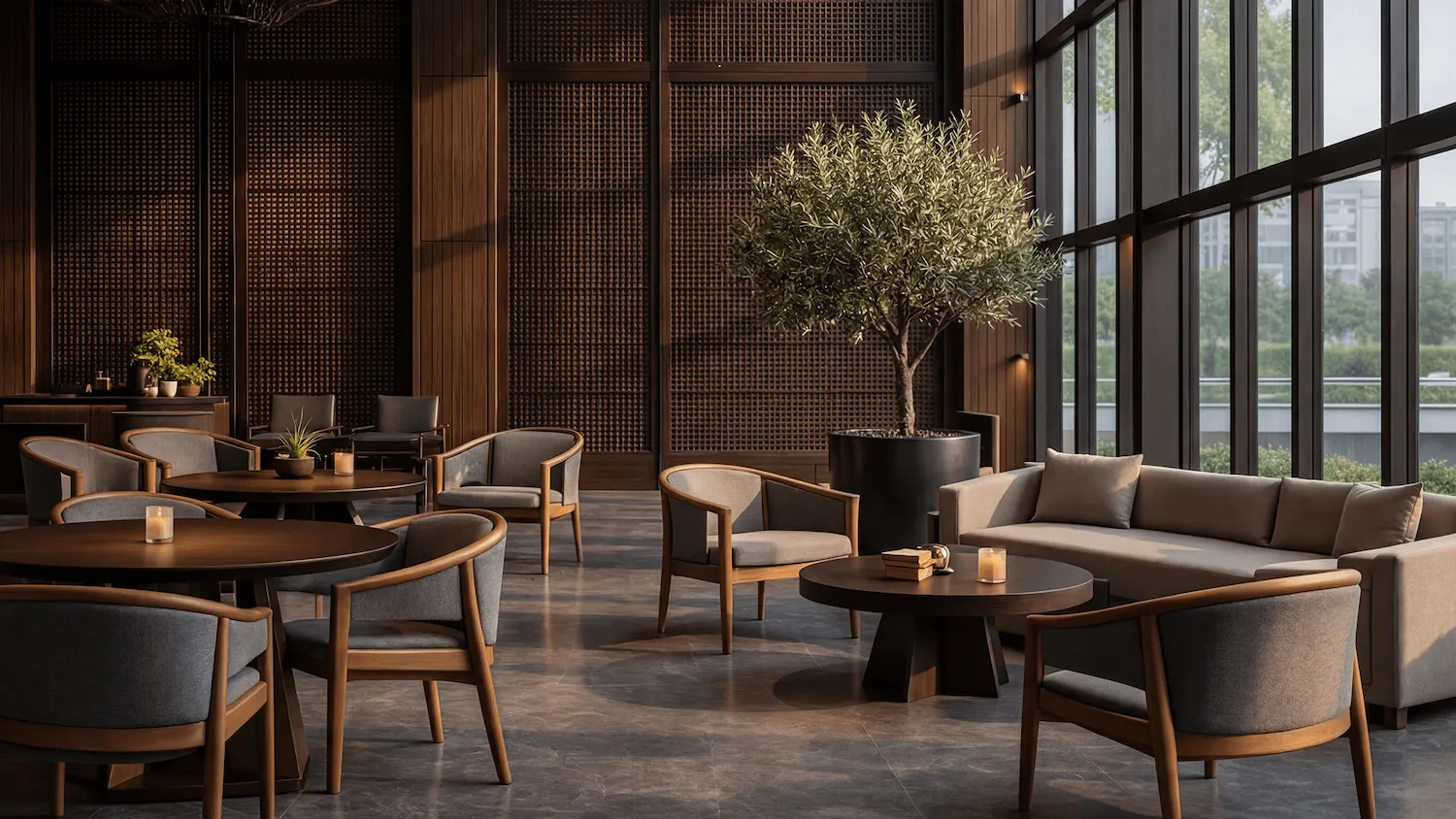
Every restaurant negotiates the same tension: more seats increase potential revenue per square foot, yet higher density can erode guest comfort and lengthen service times. In practice, the right equilibrium is shaped by concept, local code, and operational choreography. Dining rooms compete with circulation, queuing, accessibility-code clearances (e.g., ADA in the U.S.), acoustic treatments, host […]
There are moments in architectural rendering when less truly is more. Early in a project, a dense, fully dressed scene can bury the core idea under textures, entourage, and decorative lighting. A simple architectural render keeps attention on massing, proportion, and the relationship of volumes. In other words, it expresses architectural intent with clarity. At […]
In fitness projects, the most expensive mistakes rarely come from finishes. They come from moving heavy equipment after construction has started, rebalancing HVAC because the cardio area runs hot, or discovering that barbell clearances clash with a column line. High‑stakes issues often hide in plain sight on plan views. Photoreal visualization brings those decisions forward, […]
Why lighting is the difference between images that inform and images that sell On any design project, light is the medium that reveals form, color, and texture – and the variable that most directly shapes client perception. At GENENSE, we treat illumination as a controlled experiment rather than a cosmetic tweak. Remember that lighting strongly […]