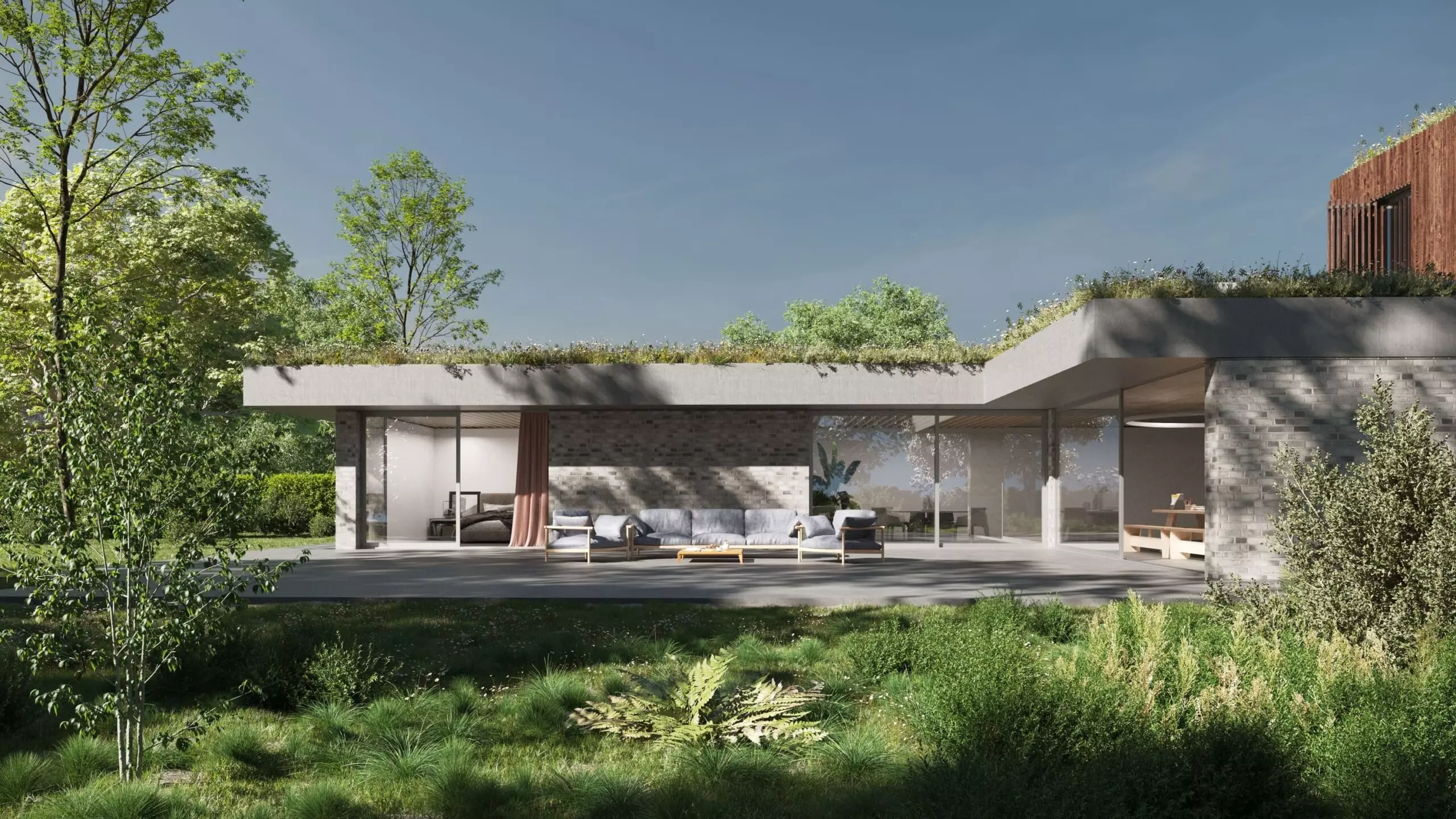
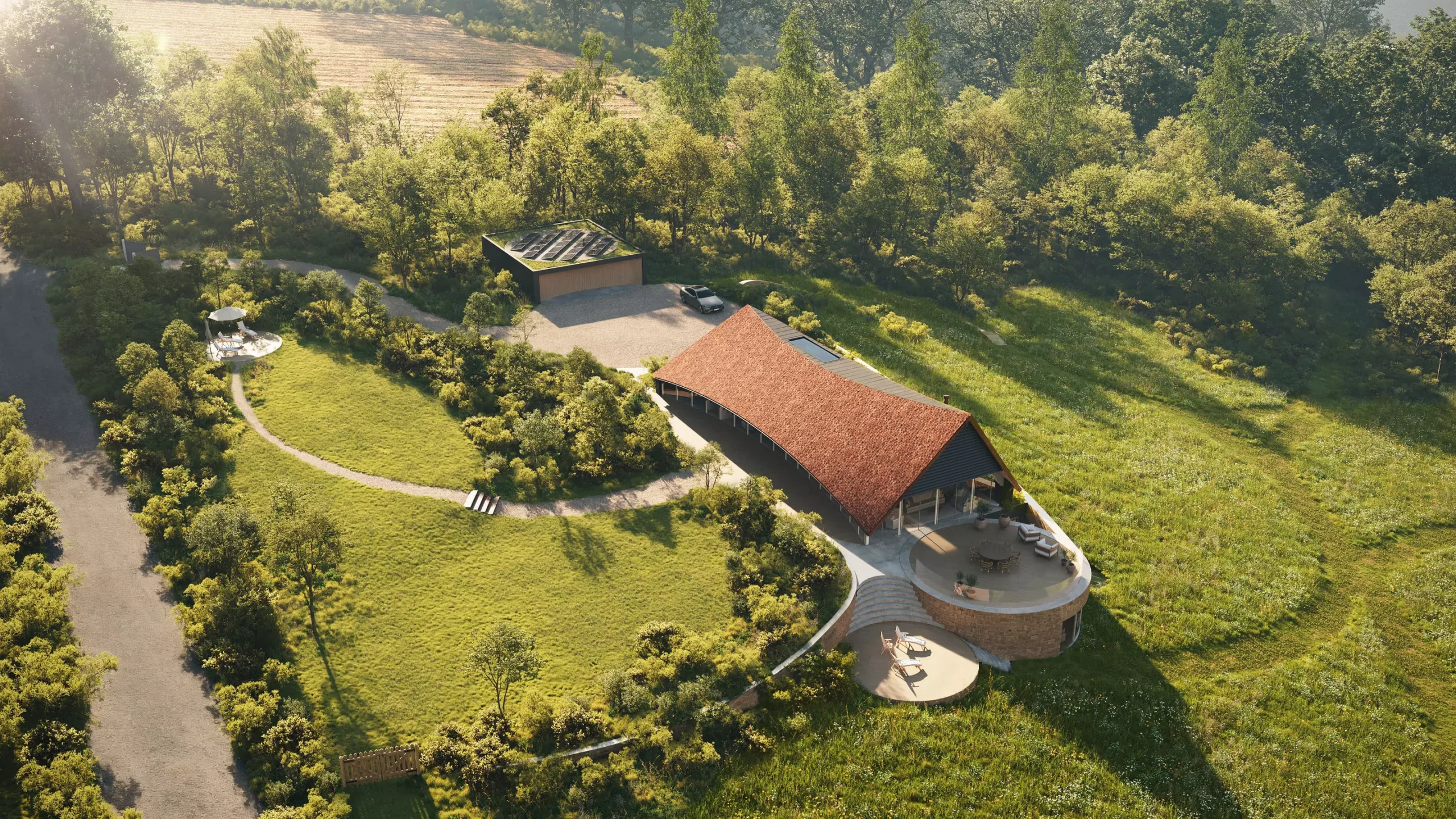
AI is radically changing the world of visualization, especially when it comes to architecture. It’s easier said than done, as presenting concepts with 3D visual models of structures back then took an inordinate amount of time and energy before the advent of AI. Now, AI enables architects to complete this much faster and more professionally.
Thank goodness we are not in the hands of primitive computer design tools. Modern-day technology has many smart tools that assist an architect in coming up with accurate representations of a building without spending endless hours. Ranging from drawing images and supervising the whole process to designs and renderings, AI is significantly altering the productivity of professionals in architecture.
Request a 3d interior rendering quote
Benefits summarized
Of course, AI cannot replacethe human mind. But the benefits of the AI are multiple as there are other benefits that are enabling architects to recreate pictorial visions of their projects.
Elimination of long construction drawings and complex elaboration of models through layers
Architects get their visual models completed with the help of computers at a much faster rate than what they were accustomed to when there were no machines. Activities that traditionally used days can now be completed within hours due to the influence of artificial intelligence tools. This leaves room for the architects to consider looking at other versions of the designs fashioned and sourced from their boundless creativity.
Improvement in overall performance and attention to details
Using such tools, architects can create very accurate erecting models of buildings. AI data processing allows knowing in advance how to alter certain parts of the design so that the overall designed results will be more effective. Only such visual models can be built that can look how the end result, a building is likely to look thus minimizing the likely chances of mistakes during construction.
Better interaction with the clients and client feedback
AI-based tools enable people to better feel and work with architectural ideas. Now, clients can view virtual buildings and their ideas can be integrated in real time feedback.
Machine learning in architecture is very instrumental in solving complicated design challenges. There is a possibility of AI giving the best design approach of a particular project based on learnings from previous similar projects. This shortens the period of doing designs.
Creative exploration using generative design
Generative design AI tools target architects, helping them to define things like space, materials and what the designs need to perform. Depending on the input, the AI can come up with refined designs for the architect to consider which boosts creativity and expands the scope.
AI rendering software for realistic Images
Creating renderings of a design is now easier for professionals owing to the introduction of AI rendering tools. These tools are capable of rendering images with all the intricate features of real buildings. This helps in the marketing of their concepts to prospective clients.
Request a 3d interior rendering quote
Challenges AI faces
It is indeed true that there are many benefits associated with the application of AI but there are still some issues that need to be addressed.
Technical limits and complexity
Some of the AI technologies are still biased in some aspects. For instance, sometimes the AI can be over control by adhering to only certain rules inhibiting designers within the limits even when such limits are not applicable to the project at hand. It will also take time to acclimatize into the use of AI tools.
Ethical concerns and job security
With the drive for the growth of AI, there have been some apprehensions towards its implications on jobs concerning the fathering of structures. Therefore, despite the trend of AI taking over such mundane work, architects are going to have to learn some newer skills so that AI replaces them and they don’t become unemployed due to technological advances.
High costs and accessibility
There is also the advantage and disadvantage of utilizing advanced efficientAI technologies as they can be expensive and thus harder to access for smaller architecture firms. The cost of getting the software and sufficient training can pile up making it hard on the number of firms that can utilize AI to its full capacity.
Things to come
What about the future of architectural visualization?Although the present technology still exhibits the benefit of using AI in the architecture field, it is expected that the figure will increase in the coming years, hence more interesting technologies.
New AI technologies to look out for
There are advanced technologies that we might expect as AI technologies roll out due to its advancement such as tools that blend AI and VR or AR. This type of technology will enable clients and architects to get into the design as it is created helping eliminate changes in design after completion thus reducing wastages through design.
Perspectives regarding visualization
Сhanges in architectural visualizationwill be diverse. Thanks to these user-friendly AI tools, architects will be better able to create more interactive designs.
The long-term impact on architecture
In the future, AI will allow architects to focus more on creativity while AI handles technical tasks. However, architects will still need to learn how to use AI tools and adapt to these changes. AI will become an important part of the profession, but human creativity will always be needed.
FAQ
AI enhances the design when creating images of buildings, making them quick and efficient.
The time of the design procedure is decreased, the precision of the design is improved and the rapport between the architect and the client is enhanced.
Data input is done through machine learning; visuals designs are presented through rendering software or generative design tools.
It includes the expensive tools for AI, acquiring the skills to use them well, and fear of losing employment.
In addition to the help of present day tools, future AI architecture trends will include AI tools and virtual reality, better and more active design processes, more reliance on immersive technologies.
Rate article:
Nice
Average rating: 5 / 5
Vote count: 1
Yuri Prokopenko
Art Director at GENENSE
Yuri is responsible for the overall quality, workflow, and execution of exterior visualization projects. He ensures that every render meets high visual standards, maintains consistency across all production stages, and is delivered through a clear, structured process from concept to final output.
In today’s architecture RFP (Request For Proposal) market in the US, experience and portfolio alone do not win projects anymore. In 2026, 3D visualization plays a big role in how fast a committee understands, supports, and remembers a project. Florida’s procurement market moves fast and has its own rules. Teams often review many proposals in […]
In architectural tenders in the UK, competition is not about ideas, but about how clearly they are communicated. Success depends on a well-built architecture proposal presentation, and 3D visualisation often becomes the key factor that strengthens the evaluation of design quality. Architecture tenders in the UK are the main way to win large projects in […]
For developers and architects, 3D rendering services in the Netherlands create realistic images of real estate projects. It helps speed up approvals, present ideas better to investors, and support early-stage sales. It also reduces the number of revisions and makes cooperation between all project participants clearer. GENENSE provides 3D rendering for international projects, including work […]
3D kitchen rendering in the UK helps create a well-structured design environment for testing, refining and validating the design of a space before construction begins, being essential for architects, developers, manufacturers and interior designers. Professional rendering minimises the risk of uncertainties and additional costs caused by them through accurate visual simulation. In the UK context, […]
3D architectural visualisation in the UK is not a decorative add-on, but a functional decision-support tool for stakeholders in search of unique design solutions before construction begins. It collects drawings and BIM data to create a high-quality visual reference. 3d rendering services in the UK are essential for complex projects, which involve interaction of investors, […]
3D rendering services help check a project before it becomes expensive. They make it possible to fix architectural decisions, align them between all parties, and remove uncertainty at the planning stage, when changes do not affect the schedule or budget. For 3D architectural rendering in Costa Rica, strong visual accuracy is required. Projects often work […]