Every client dreams of having a perfect landscape design, as it is the first thing their friends and neighbors will see. However, architects can face difficulties in creating customer designs, such as planning the design for several years, not understanding the project budget, and dreaming vs. reality. 3D rendering landscapeplans allow architects to consider all these problems and find a solution.
3D rendering offers a dynamic platform where creativity meets functionality. It enables designers to craft immersive environments that captivate the imagination and fulfill clients’ practical needs. 3D rendering makes planning your landscape design easier. In this article, we overview ways to improve your 3D landscape design.
Request a quote
Plan For the Future
3D landscape render offers a comprehensive blueprint of a client’s landscape, capturing every project detail with meticulous planning. From the broad strokes of the concept to the intricacies of the design, each aspect is carefully considered and mapped out to ensure a thorough and accurate representation. 3D plans allow architects to create a visually appealing design and consider how the client’s landscape will evolve. Here are the things you should consider in planning the landscape:
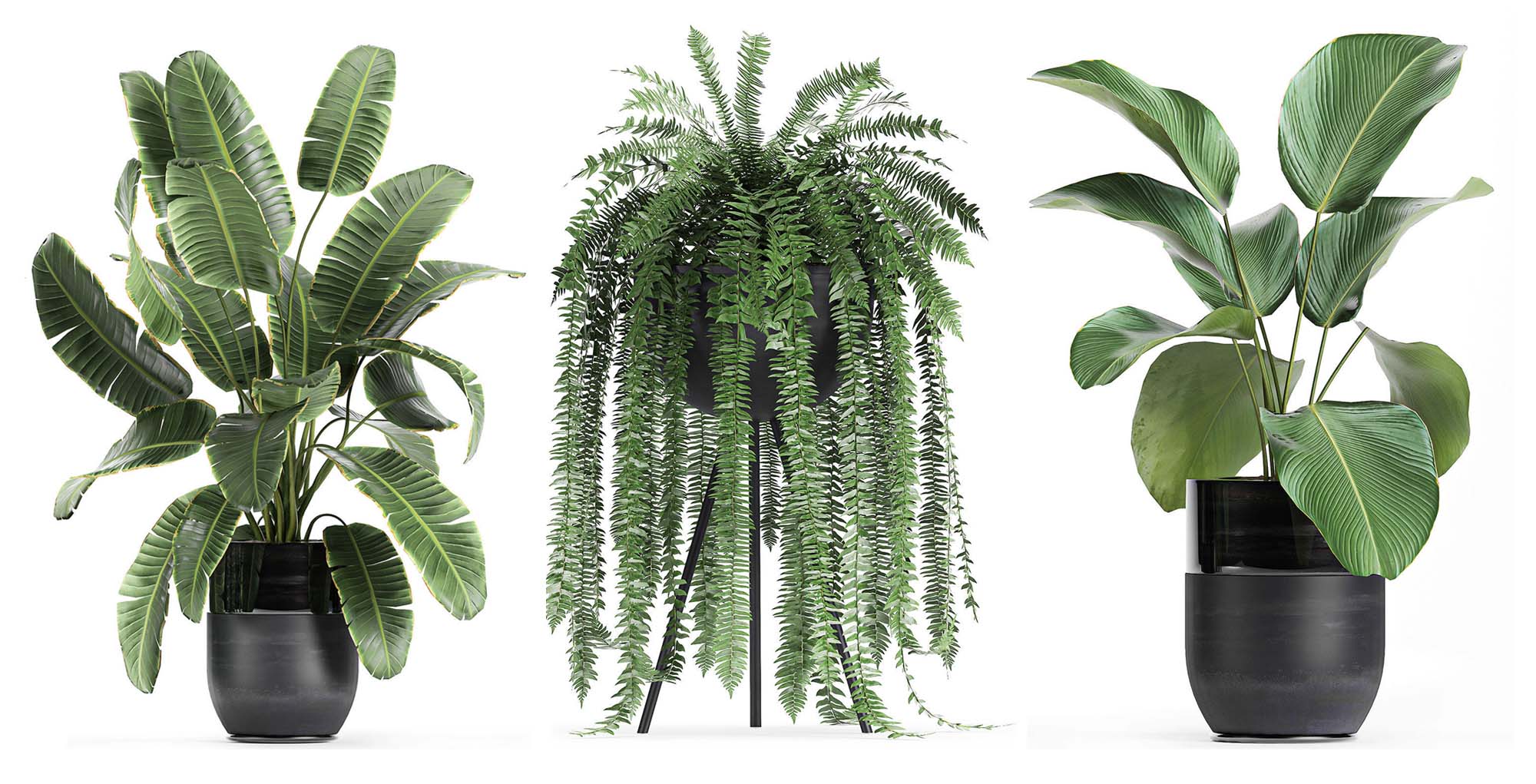
Plant Selection: You should choose plants that will look good together. When selecting plants, it’s essential to consider various factors, including their growth rate, mature size, and maintenance needs. Many plants thrive under specific conditions, so opting for native species can be advantageous. These plants are naturally adapted to the local climate and soil conditions, making them a practical and sustainable choice for your landscape design.
Space for Growth: You should understand that plants will grow and expand, so you must leave enough space for them to grow. When plants are too close, they can displace each other, so you ought to leave enough space for them to mature.
Flexibility: Your design should be flexible because it will give space to creativity. In the future, you can add modifications, such as new plantings, outdoor structures, or recreational areas.
Sustainability: People understand their influence on the environment now. Planning the 3D landscapes allows you to minimize environmental impact and reduce maintenance requirements. You can consider factors like rainwater harvesting, native plantings, and permeable paving.
Maintenance Plan: One factor you should consider before planning the landscape is how you will take care of it. Regular pruning, watering, and fertilizing will help ensure your plants’ health and vitality while preserving the design’s overall aesthetic appeal.
3D landscape architecture rendering will help you create a design that meets your current needs. Moreover, it will look fascinating over the years, bringing clients enjoyment.
Don’t Forget About Your Budget
When you create the design of clients’ dreams, it is essential to remember the budget. Some people lose their minds when they see many beautiful things. Without proper budgeting, costs can get out of control, leaving clients with an incomplete or unsatisfactory project. Here are some tips for managing a client’s budget effectively:
Setting Clear Priorities: It’s a bad idea to try to do everything at once. Clients will need a large budget to plan an enormous garden, a chick patio, or an outdoor entertainment area. Instead, insist on selecting priorities and working on them individually. This will ensure you have finished landscape elements.
Research Costs: The planning of every project needs complete research. You need to consider the prices of materials, labor, and other expenses involved in your landscape design. Ensure that you find prices that align with your budgetary constraints. Gathering quotes from several contractors or suppliers is advisable to guarantee a fair evaluation of the costs of the required services and materials.
Account for Contingencies: It is impossible to predict how the project will go or at what stage problems will appear, so you should warn the client to prepare an extra budget. Setting aside 10-20% of the client’s budget for contingencies can help cover unexpected costs without derailing your plans.
Consider Long-Term Costs: Planning landscape 3D design can be expensive. Some clients will try to save money on materials by selecting the cheapest ones. However, this can influence the quality of the client’s project. You should warn clients to choose long-lasting materials that will become their investment in the future.
Explore Financing Options: If your client has a limited budget, it’s better to scale back their plans or tackle their project in phases than to end up with a half-finished landscape and a depleted bank account. Moreover, suggest other financing options, such as home improvement loans or lines of credit, should be considered to your clients.
The budget is an essential component of every project, so it should be planned down to minor details. Landscaping 3D design allows clients to see the complete project and plan the budget according to their needs.
Designing For a Project, But Not For a Picture
Landscape design should be not only aesthetic but also practical and convenient. Remind your client that it is more than just a static image. Designing for a project involves creating outdoor spaces that are both visually striking and practical for everyday use. Here are some ideas for achieving a balanced approach to landscape design:
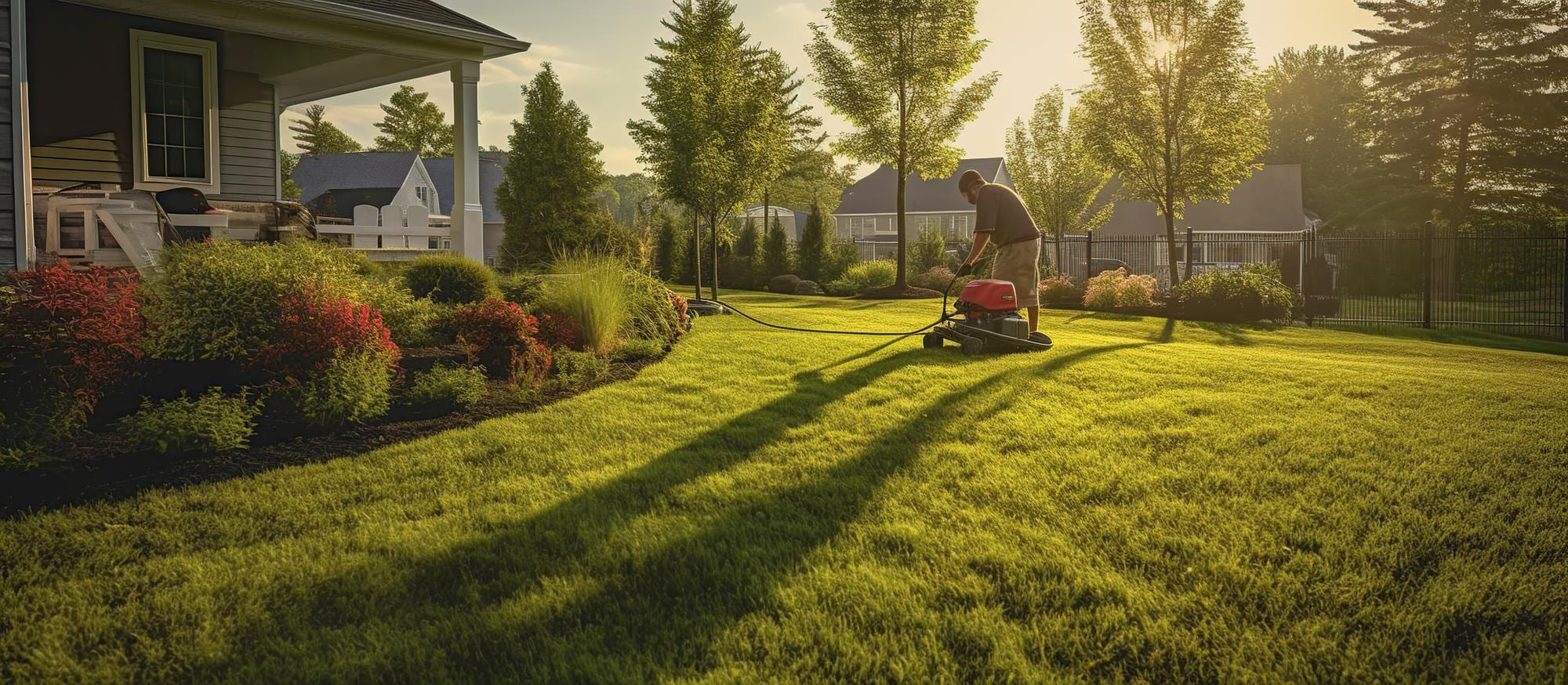
Consider Functionality: You should start with zoning your environment and planning zones for outdoor activities. Consider zones for traffic patterns, seating arrangements, and activity zones to optimize usability and enhance the overall user experience.
Think About Maintenance: Maintenance is crucial for the health and appearance of a client’s landscape. Opt for plants that demand minimal care to reduce the time and energy spent on upkeep. Integrate elements like drip irrigation systems, mulch, and native plants, which naturally thrive with little intervention, to streamline maintenance efforts and ensure the client’s landscape remains vibrant with minimal fuss.
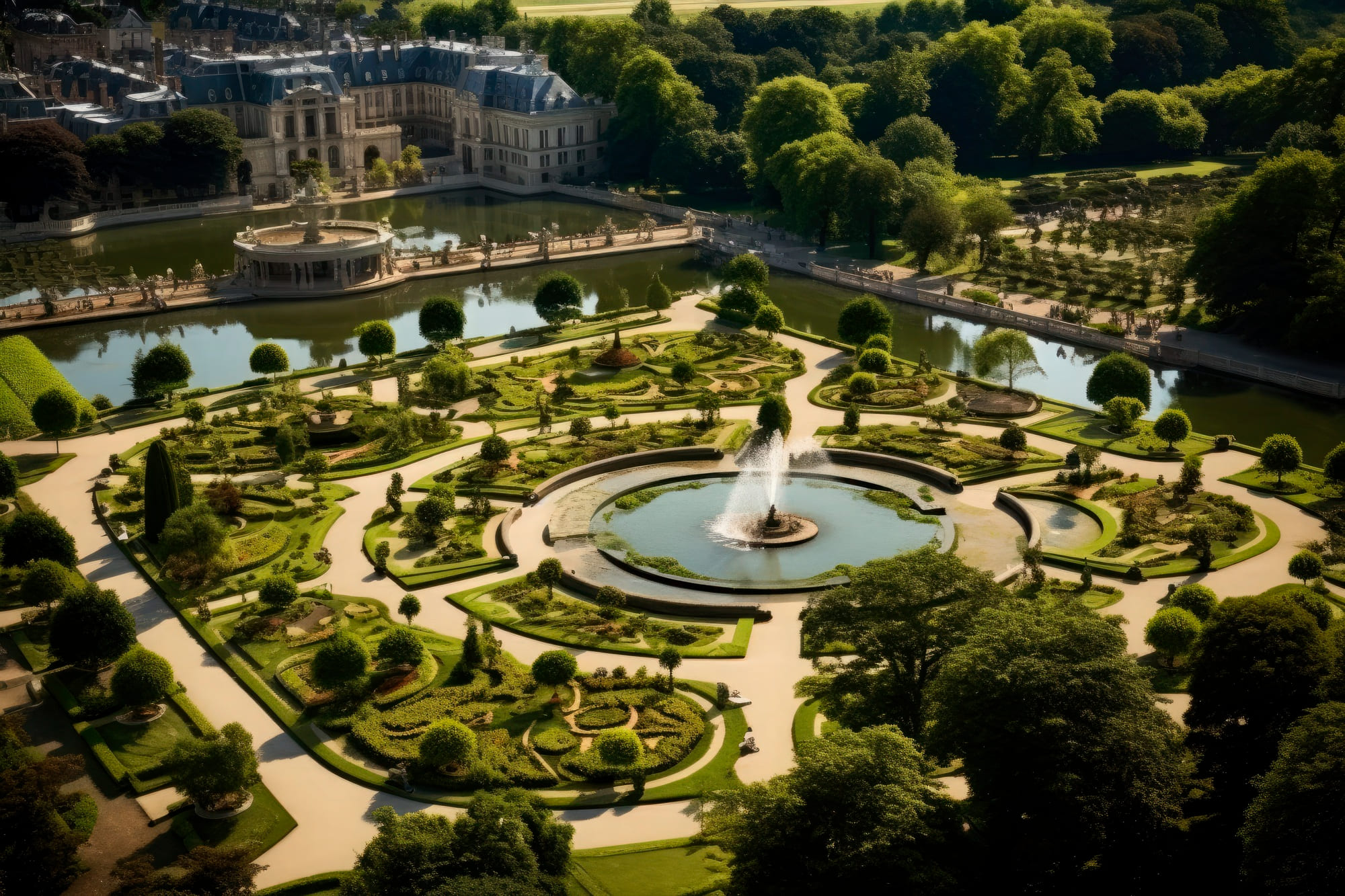
Integration of Hardscape and Softscape: If you want to create a diverse and balanced design, you should combine elements of hardscape features (e.g., patios, walkways, retaining walls) and softscape elements (e.g., plants, trees, flowers). Incorporate natural materials and textures to harmonize with the surrounding environment and soften the architectural elements.
Seasonal Interest: Your design will look different during different seasons, so you ought to create a design that will be beautiful year-round. Choose a variety of flowering shrubs, perennials, and evergreen trees to ensure a vibrant landscape throughout the changing seasons.
Safety: The design should cater to the diverse needs of various groups of people, including children, seniors, and individuals with disabilities, ensuring practicality and accessibility for everyone. Appropriate lighting, non-slip surfaces, and handrails should enhance comfort and security where necessary.
Environmental Considerations: It’s a good idea to use environmentally friendly practices such as water conservation, soil erosion control, and wildlife habitat preservation in the client’s landscape design. Minimize chemical pesticides and fertilizers and opt for eco-friendly alternatives to promote ecological sustainability.
Following these tips, you could create an aesthetic and functional landscape that will give you joy for a long time. 3D design landscape software can help with this.
Conclusion
Our tips will help you create a stunning landscape design that will not leave anyone indifferent. Moreover, we are ready to help you with your 3D rendering landscape. At GENENSE, we prioritize your vision. Our team is committed to understanding your requirements and collaborating with you to realize your dream project. From the initial concept to the ultimate presentation, our experts are dedicated to transforming your ideas into reality with meticulous attention to detail, creativity, and precision. So don’t hesitate to order our services now.
Request a quote
Rate article:
Nice
Average rating: 5 / 5
Vote count: 1
Olha Bugaychenko
Copywriter at GENENSE
Olha’s professional credo is about the delivery of information-rich and easy-to-understand content, even if the subject matter is complex for average readers. As the author, she aspires to wrap each thought, concept, or idea into texts that are easier to access and comprehend. Olha believes that human-generated content will never become outdated or unappealing. “GPT chat is miles away when it comes to creating customer-centric and catchy text materials.” - Olha says.
Why corporate headquarters need visualization that goes beyond “nice pictures.” Corporate headquarters are not just workplaces – they are strategic assets. Executive floors host investor briefings, R&D labs sit next to agile neighborhoods, and client areas must perform as brand touchpoints while meeting stringent acoustic, security, and wellness criteria. In this setting, office interior rendering […]
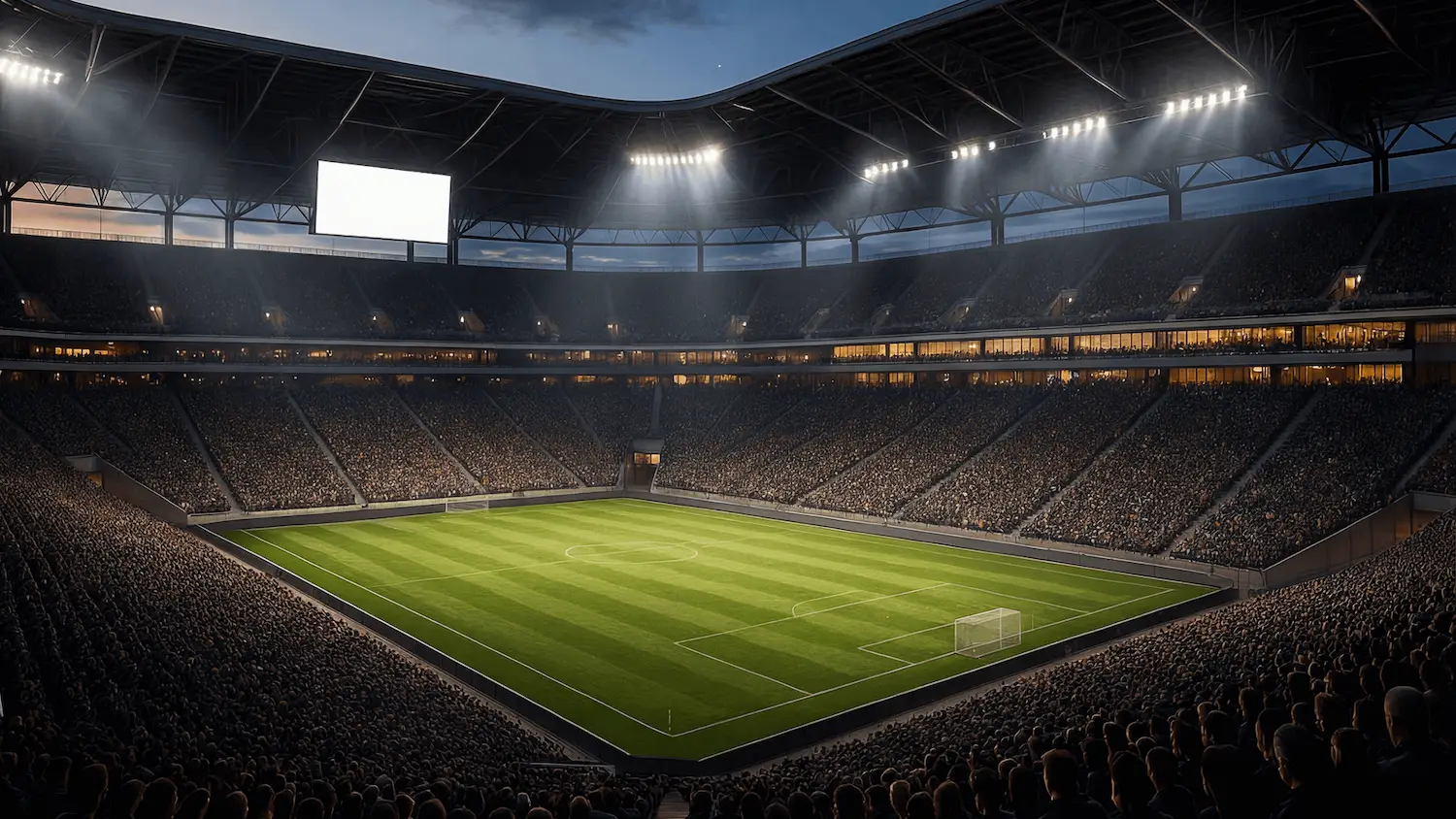
Why visualization makes or breaks a sports pitch Securing buy‑in for an arena, training complex, or campus rec upgrade demands more than attractive images. Decision‑makers need to understand how a building will move crowds, manage light and sound, and deliver revenue across game day and non‑event operations. This is where rigorous visualization turns vision into […]
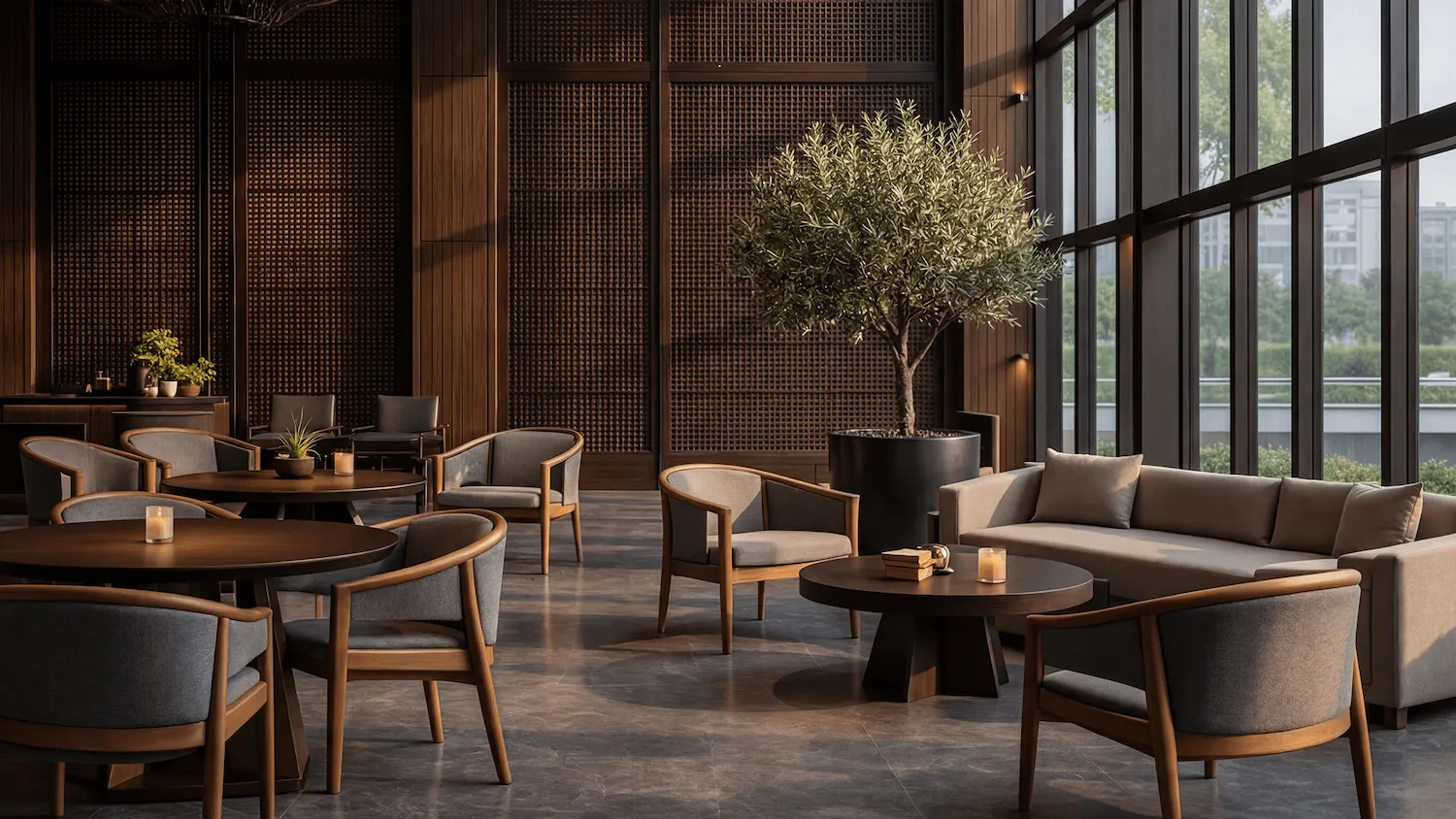
Every restaurant negotiates the same tension: more seats increase potential revenue per square foot, yet higher density can erode guest comfort and lengthen service times. In practice, the right equilibrium is shaped by concept, local code, and operational choreography. Dining rooms compete with circulation, queuing, accessibility-code clearances (e.g., ADA in the U.S.), acoustic treatments, host […]
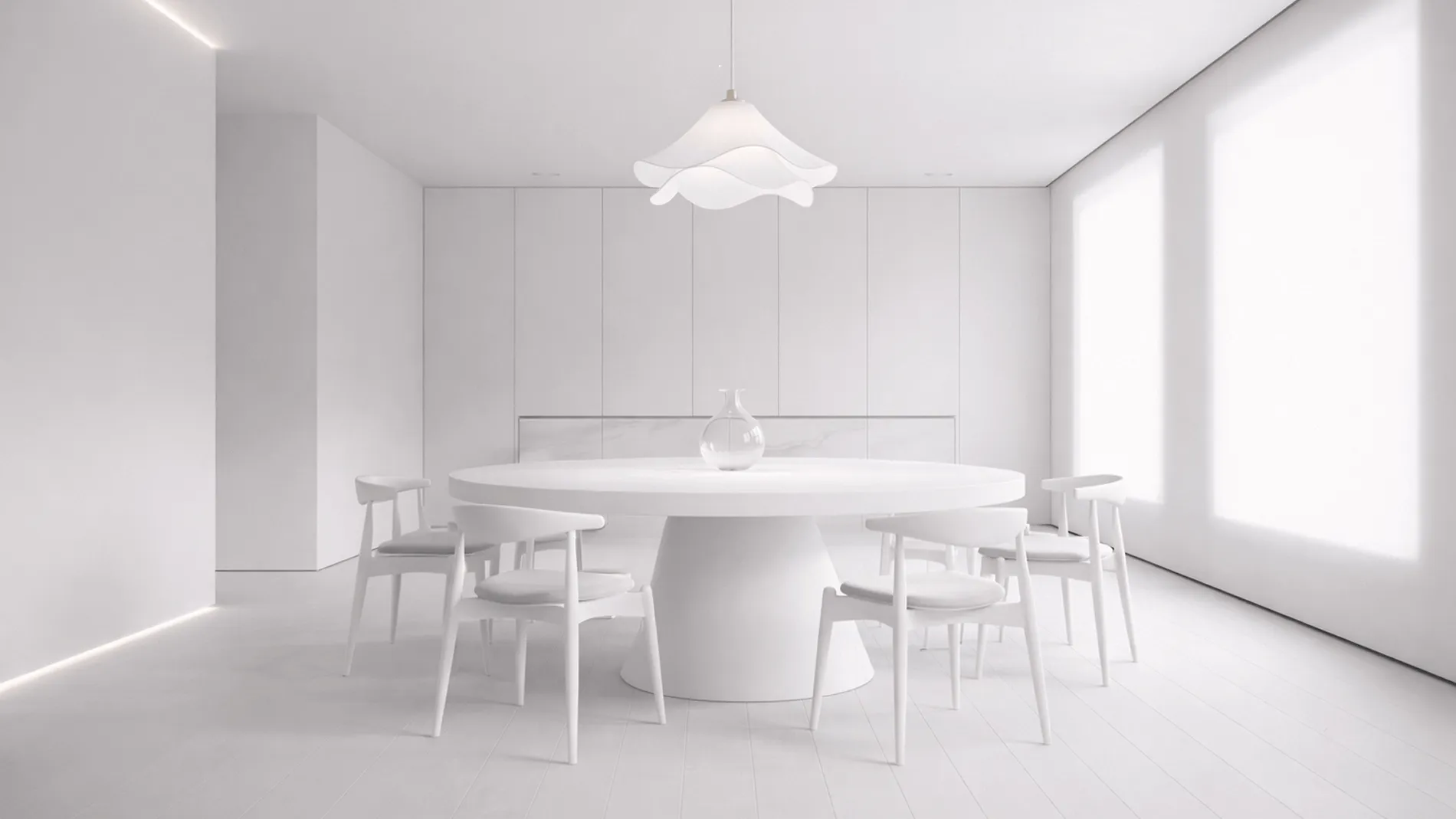
There are moments in architectural rendering when less truly is more. Early in a project, a dense, fully dressed scene can bury the core idea under textures, entourage, and decorative lighting. A simple architectural render keeps attention on massing, proportion, and the relationship of volumes. In other words, it expresses architectural intent with clarity. At […]
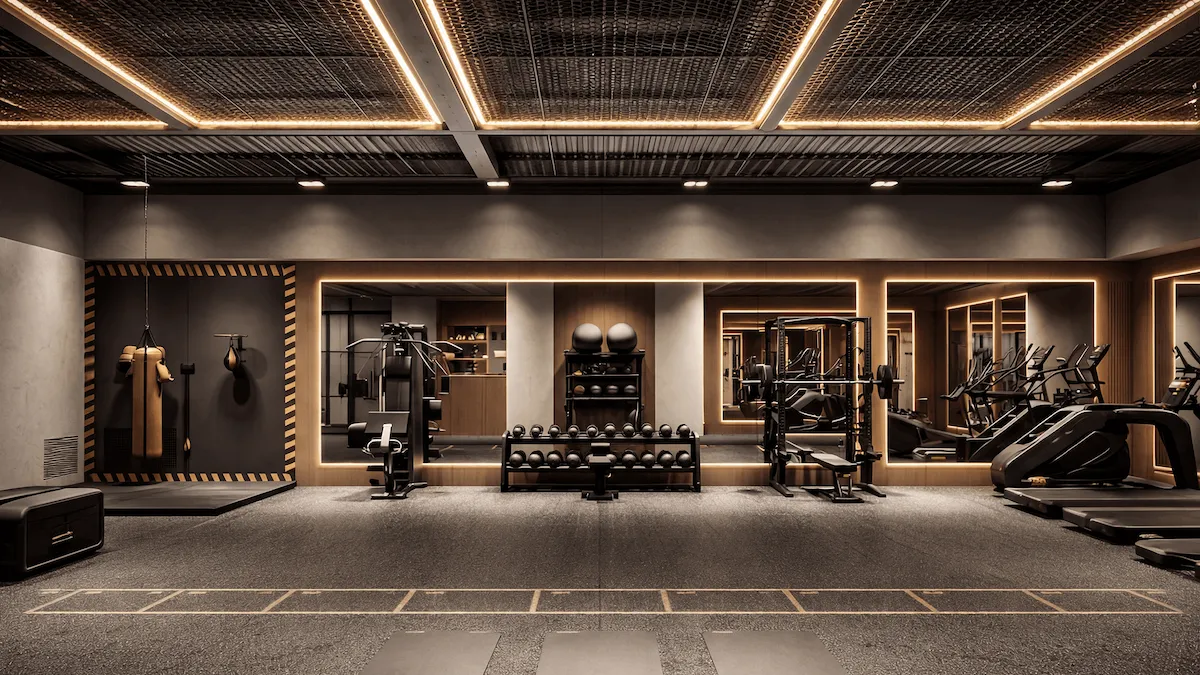
In fitness projects, the most expensive mistakes rarely come from finishes. They come from moving heavy equipment after construction has started, rebalancing HVAC because the cardio area runs hot, or discovering that barbell clearances clash with a column line. High‑stakes issues often hide in plain sight on plan views. Photoreal visualization brings those decisions forward, […]
Why lighting is the difference between images that inform and images that sell On any design project, light is the medium that reveals form, color, and texture – and the variable that most directly shapes client perception. At GENENSE, we treat illumination as a controlled experiment rather than a cosmetic tweak. Remember that lighting strongly […]