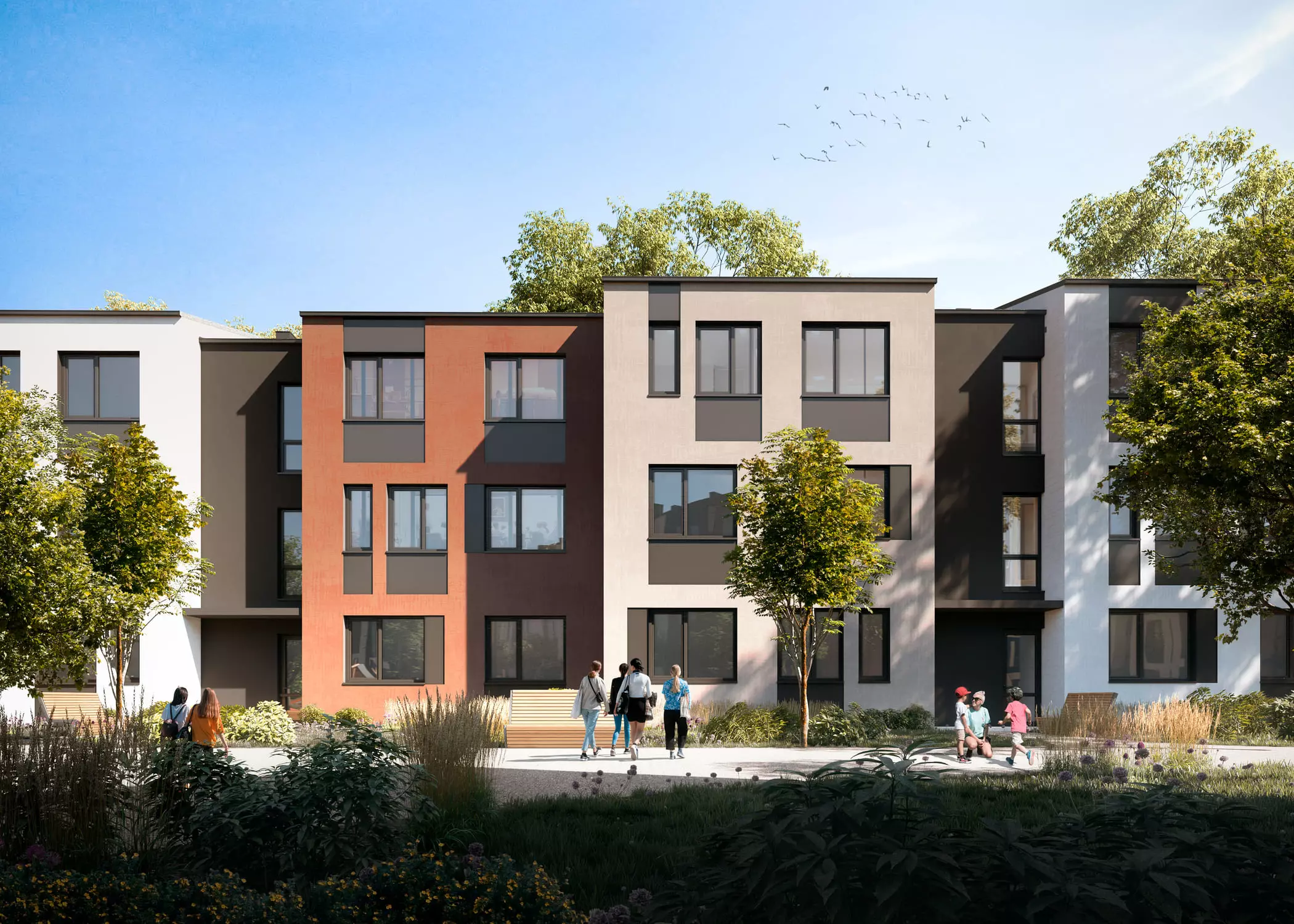
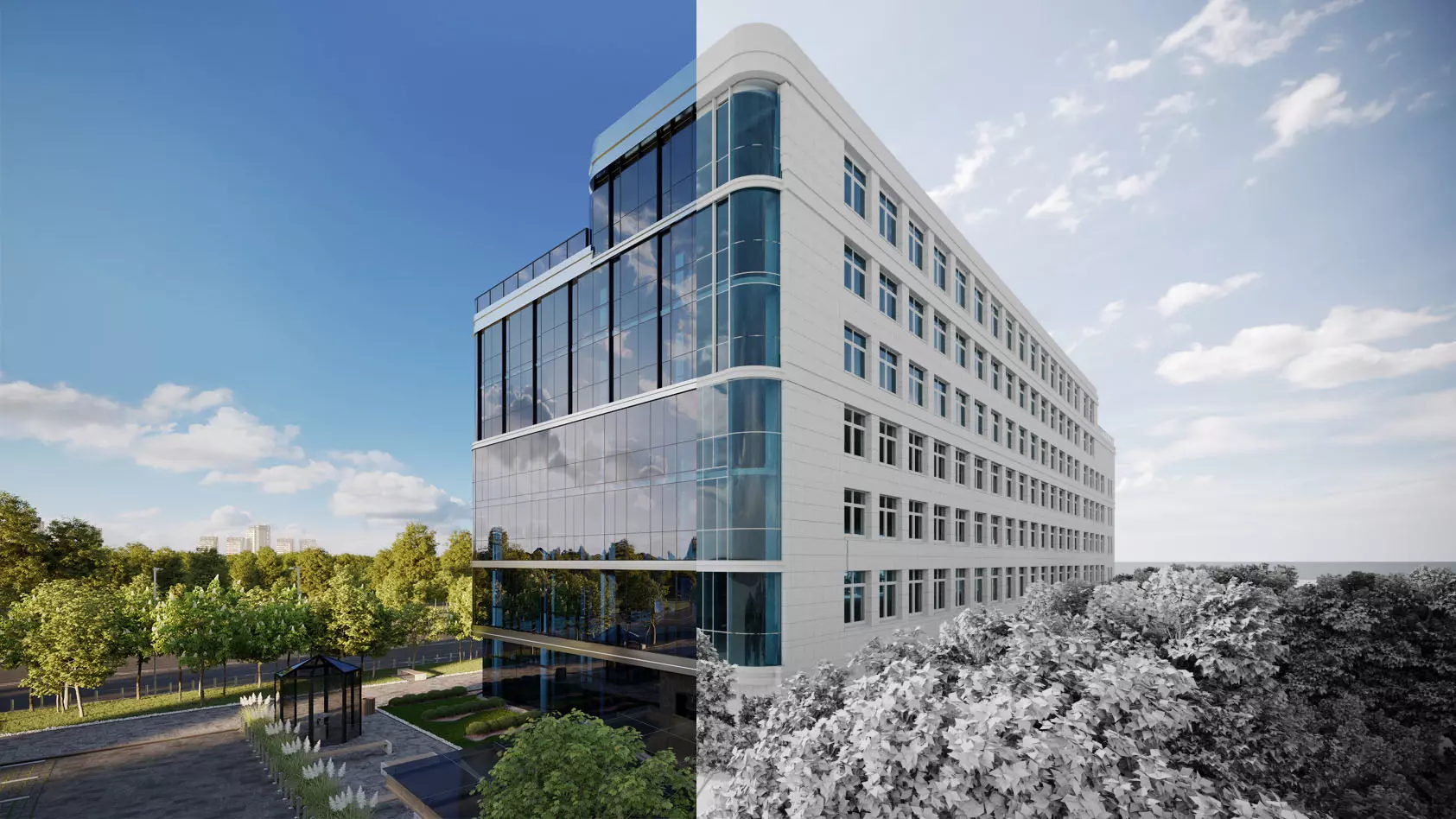
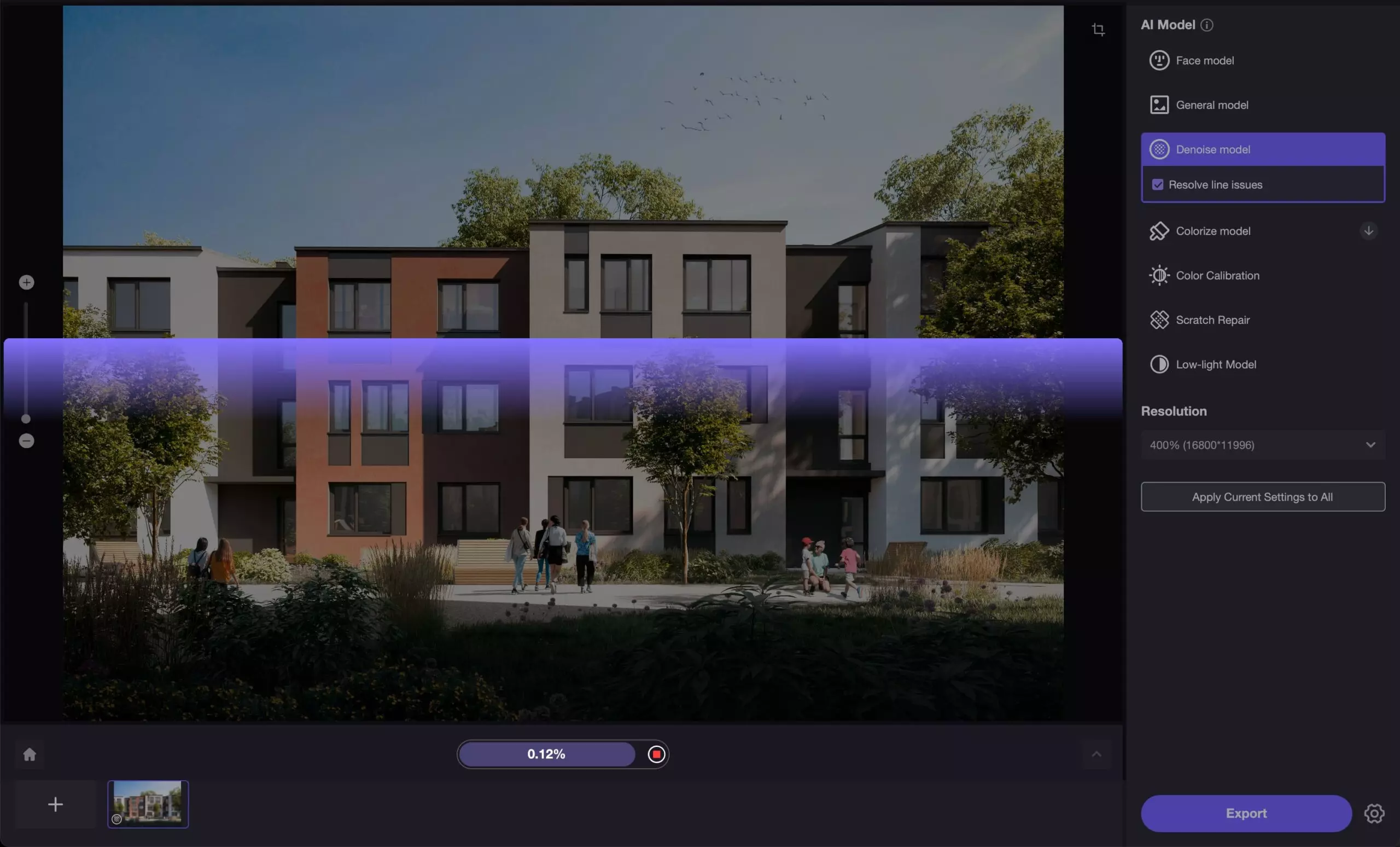
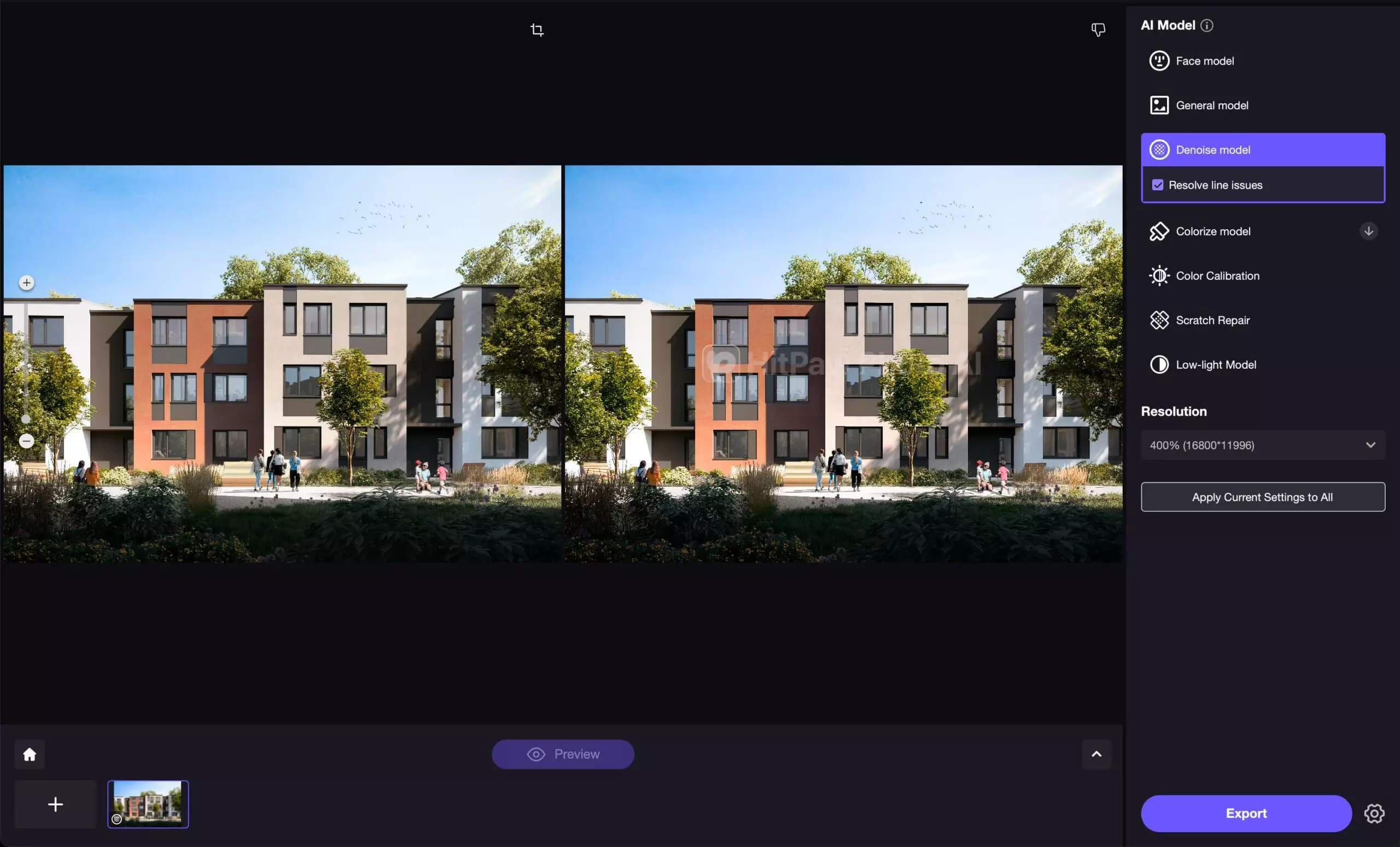
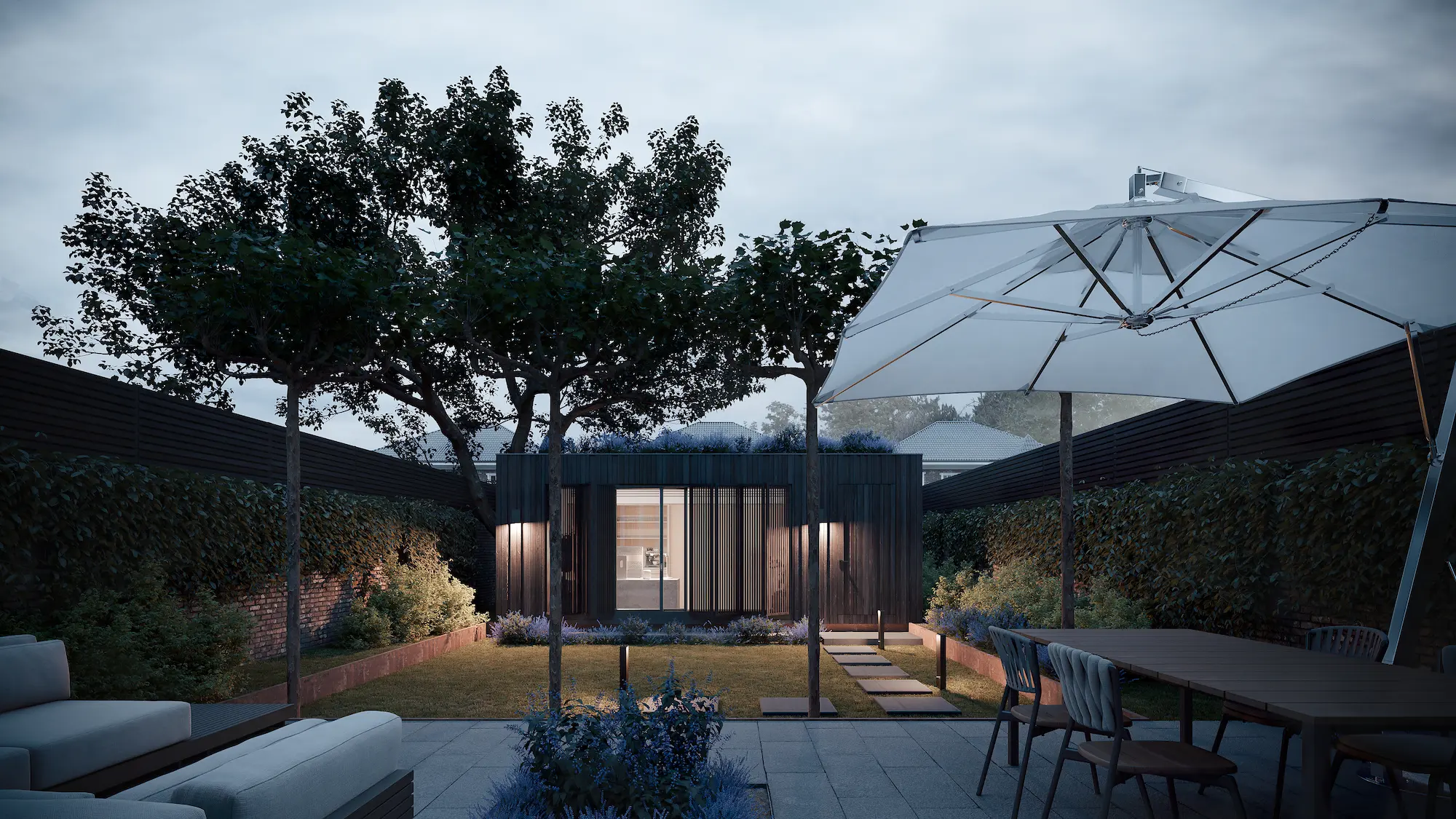
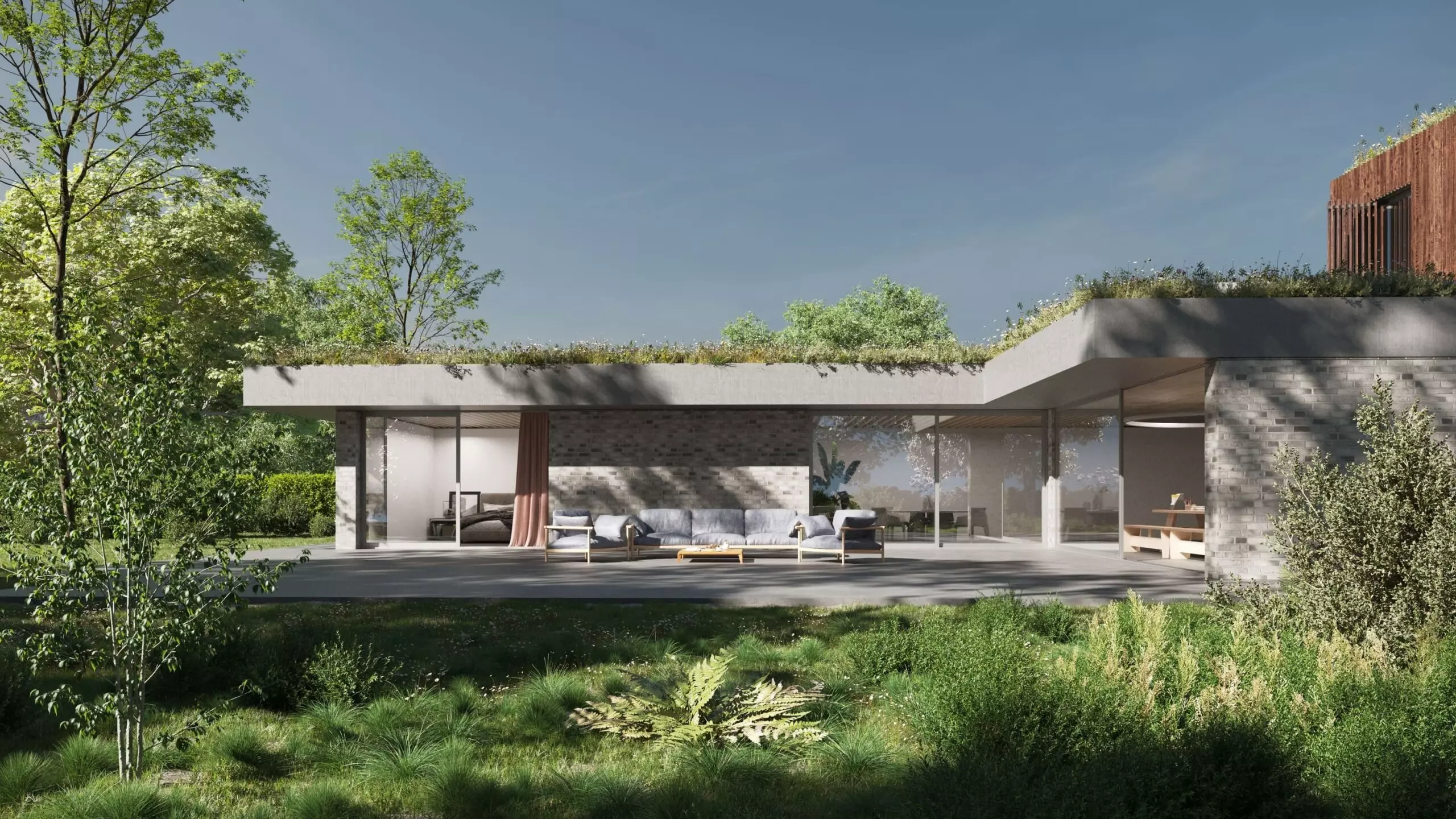
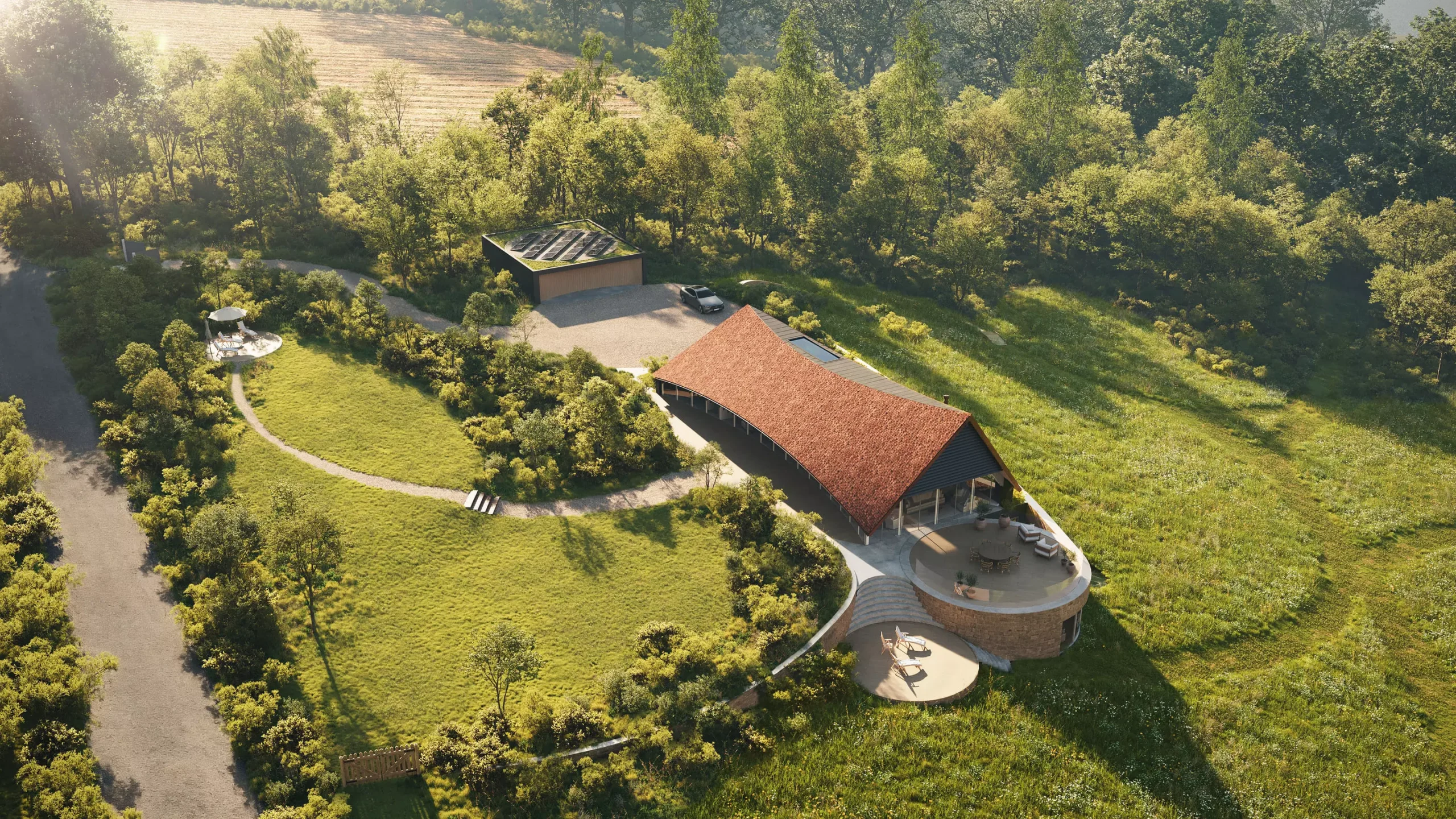
Computer-generated imagery (CGI) has made a revolution in architecture and design, granting developers unprecedented opportunities to visualize their projects meticulously. Moreover, Artificial Intelligence (AI) integration has permeated numerous aspects of human life, significantly impacting CGI practices. AI is a powerful ally, simplifying routine tasks and enabling developers to focus on creative pursuits. This article explores how AI can enhance developers’ professional endeavors.
Request a 3D Rendering quotation
Utilizing AI for Architectural Assistance
Design Optimization with Artificial Intelligence
In crafting interior, exterior, or landscape designs, there’s a considerable amount of data to assess, often leading to challenges and time constraints. However, artificial intelligence offers a solution to streamline this work, making your work more efficient. Let’s explore how artificial intelligence can aid you in this endeavor:
Generative design: Parameters like site requirements, material preferences, and budgetary restrictions allow AI render architecture to generate numerous options. Therefore, architects may produce diverse designs and swiftly explore various possibilities, resulting in inventive solutions that would have been impossible through conventional approaches.
Performance Analysis: AI enables architects to analyze design proposals comprehensively. Assessing factors such as energy efficiency, daylighting, structural integrity, and occupant comfort is essential during project development. 3D AI art may assist in optimizing these aspects, ensuring your project is more stable, functional, and convenient.
Optimized Material Selection: Clients want a perfect project with sustainable ingredients. The materials should fit and fulfill each other. Finding such materials could be a long process. AI can recommend optimal combinations of materials that enhance the design’s structural integrity and visual appeal while minimizing environmental effects.
Predictive Analytics: Developers must consider construction costs, project timelines, and market demand. Analyzing past project data and trends provides architects with predictive insights, and AI is invaluable in this area.
Visualization and Presentation
Impressive visualization and presentation can accelerate the sale of your services. Utilizing AI for 3D modeling empowers architects and designers to craft captivating architectural visualizations and presentations, enhancing audience engagement and fostering project success. In what ways does AI contribute to improving visualization and presentation?
Lifelike Renderings: Creating a lifelike rendering can be challenging, so AI architecture rendering tools allow architects to optimize rendering parameters to reduce processing time without compromising quality. These tools can produce highly detailed renderings that accurately reproduce the textures, materials, and lighting.
Style Transfer and Enhancement: AI provides developers with existing architectural imagery and applies stylistic elements to new designs through a process known as style transfer, allowing them to experiment with different design solutions. AI can also adjust your projects’ colors, contrast, and composition to create more impactful visual presentations.
Automated Layout Design: Your presentation should be visually appealing to attract clients’ attention immediately. Creating a perfect project presentation can be a tremendous task. AI can automatically arrange architectural elements to create visually appealing compositions, helping you make well-organized and easy-to-understand presentations.
Content Personalization: When crafting a project presentation, it is crucial to ensure it resonates with your intended audience and leaves clients feeling valued. AI algorithms could customize visualizations and presentations to better connect with specific target audiences, achieved through analyzing audience behavior and preference data.
Optimizing Workflows
The competition in the architectural market is extreme now, so it is essential to complete projects as quickly as possible. People want quality projects in the short term. Optimizing workflow can reduce the time spent creating a project. AI can be a superb instrument for streamlining tasks and enhancing decision-making procedures.
Automated Design Generation: Architects can use AI tools to delve into numerous design iterations and swiftly generate project concepts. This computerized design generation expedites conceptualization, empowering designers to channel their creative efforts toward refining and enhancing the most promising design solutions.
Improved Collaboration through AI-Powered Platforms: AI architecture generators facilitate seamless communication among project participants. These platforms enable the organization of project workflows, tracking of revisions, and streamlining of document management processes. By harnessing the power of AI, these platforms enhance productivity and coordination among team members, leading to optimized workflow efficiency.
Intelligent Design Support: AI provides architects with instant feedback and suggestions to enhance the quality of their designs. These tools harness machine learning algorithms to identify potential errors and offer swift, real-time recommendations for improvement.
Automated Documentation and Reporting: Paperwork can be tremendous and monotonous. Document generation tools powered by AI automatically analyze project data and templates to produce thorough reports, documentation, and presentation assets. This reduces the risk of errors and ensures consistency across project deliverables.
Advancing Sustainability through Design and Innovation
In the contemporary context of heightened climate concerns, sustainable design and innovation have emerged as critical pathways towards combating global warming. Harnessing the power of AI, architectural rendering offers a profound avenue to integrate eco-conscious solutions into projects, ensuring both sustainability and modernity.
Material Selection and Lifecycle Analysis: The intricacies of choosing environmentally sound materials while ensuring compatibility can often be overwhelming. Leveraging AI art rendering, architects gain the ability to make informed decisions that prioritize sustainability across a building’s entire lifecycle. Through exhaustive analysis of material properties, embodied energy, and end-of-life considerations, this approach fosters the creation of genuinely sustainable structures.
Data-driven Urban Planning and Development: Traditional methods of analyzing external factors in urban planning can be resource-intensive. However, AI algorithms present a transformative solution by sifting through vast datasets to inform decisions that foster sustainability and resilience in urban landscapes. This facilitates the identification of opportunities for sustainable development, the mitigation of urban heat island effects, and the integration of green infrastructure seamlessly into urban designs.
Cutting-edge Construction Methods: The convergence of AI-driven robotics and additive manufacturing technologies is revolutionizing construction practices. By enabling the utilization of sustainable materials and pioneering building techniques, these advancements are reshaping the industry landscape. Whether through 3D-printed structures crafted from recycled materials or robotic fabrication of intricate geometries, AI-generated 3D rendering redefines how buildings are conceived, built, and maintained.
Collaborative Innovation Ecosystems: AI-powered collaboration platforms catalyze interdisciplinary cooperation and knowledge exchange. By fostering seamless interaction among stakeholders, these platforms facilitate the co-creation of sustainable solutions to multifaceted challenges. By exchanging ideas and leveraging diverse expertise, collaborative innovation ecosystems drive forward the agenda of sustainability in construction and design.
Conclusion
Creating computer-generated imagery (CGI) can be time-consuming. We can help you make an ideal 3D rendering. Our team will provide complete support. If you are worried about quality, we are ready to do a test assignment demonstrating our services. Moreover, we will give you feedback during the project, so you shouldn’t fear unsure deadlines. Let’s provide free rein to creativity together.
Request a 3D Rendering quotation
Rate article:
Nice
Average rating: 5 / 5
Vote count: 2
Yuri Prokopenko
Art Director at GENENSE
Yuri is responsible for the overall quality, workflow, and execution of exterior visualization projects. He ensures that every render meets high visual standards, maintains consistency across all production stages, and is delivered through a clear, structured process from concept to final output.
In today’s architecture RFP (Request For Proposal) market in the US, experience and portfolio alone do not win projects anymore. In 2026, 3D visualization plays a big role in how fast a committee understands, supports, and remembers a project. Florida’s procurement market moves fast and has its own rules. Teams often review many proposals in […]
In architectural tenders in the UK, competition is not about ideas, but about how clearly they are communicated. Success depends on a well-built architecture proposal presentation, and 3D visualisation often becomes the key factor that strengthens the evaluation of design quality. Architecture tenders in the UK are the main way to win large projects in […]
For developers and architects, 3D rendering services in the Netherlands create realistic images of real estate projects. It helps speed up approvals, present ideas better to investors, and support early-stage sales. It also reduces the number of revisions and makes cooperation between all project participants clearer. GENENSE provides 3D rendering for international projects, including work […]
3D kitchen rendering in the UK helps create a well-structured design environment for testing, refining and validating the design of a space before construction begins, being essential for architects, developers, manufacturers and interior designers. Professional rendering minimises the risk of uncertainties and additional costs caused by them through accurate visual simulation. In the UK context, […]
3D architectural visualisation in the UK is not a decorative add-on, but a functional decision-support tool for stakeholders in search of unique design solutions before construction begins. It collects drawings and BIM data to create a high-quality visual reference. 3d rendering services in the UK are essential for complex projects, which involve interaction of investors, […]
3D rendering services help check a project before it becomes expensive. They make it possible to fix architectural decisions, align them between all parties, and remove uncertainty at the planning stage, when changes do not affect the schedule or budget. For 3D architectural rendering in Costa Rica, strong visual accuracy is required. Projects often work […]