As it has no instant visual appeal, unoccupied land is difficult to sell. Neither does a bare plot have any attraction for the potential buyer, hence discouraging real estate agents who would otherwise have wanted to sell it at a higher price.
However, this problem can be addressed through 3D visualizationin real estate which converts an empty piece of land into future developments with immense vibrancy. By helping buyers to emotionally feel what an area could be like and enhancing property value, this technology has made selling of land easier. The question of how to sell a vacant lot is not a problem today.
Request a quote
Why visual appeal is important when selling land
So, how to sell vacant land by owner? Empty lots do not look appealing because they lack physical structures in them. As such it becomes difficult for potential buyers to visualize the various possibilities that can be explored on the piece of property being offered. Consequently, creating a good story from the images and pictures about the vacant lot is important so as to attract customers.
This is where 3D visualization comes into play since it allows sellers to tell potential clients about what could happen by showing them rather than telling them. Therefore, if you present your land for selling as an empty space that needs putting something or making some developments on; you will get more people wanting to buy.
How 3D visualization works in real estate
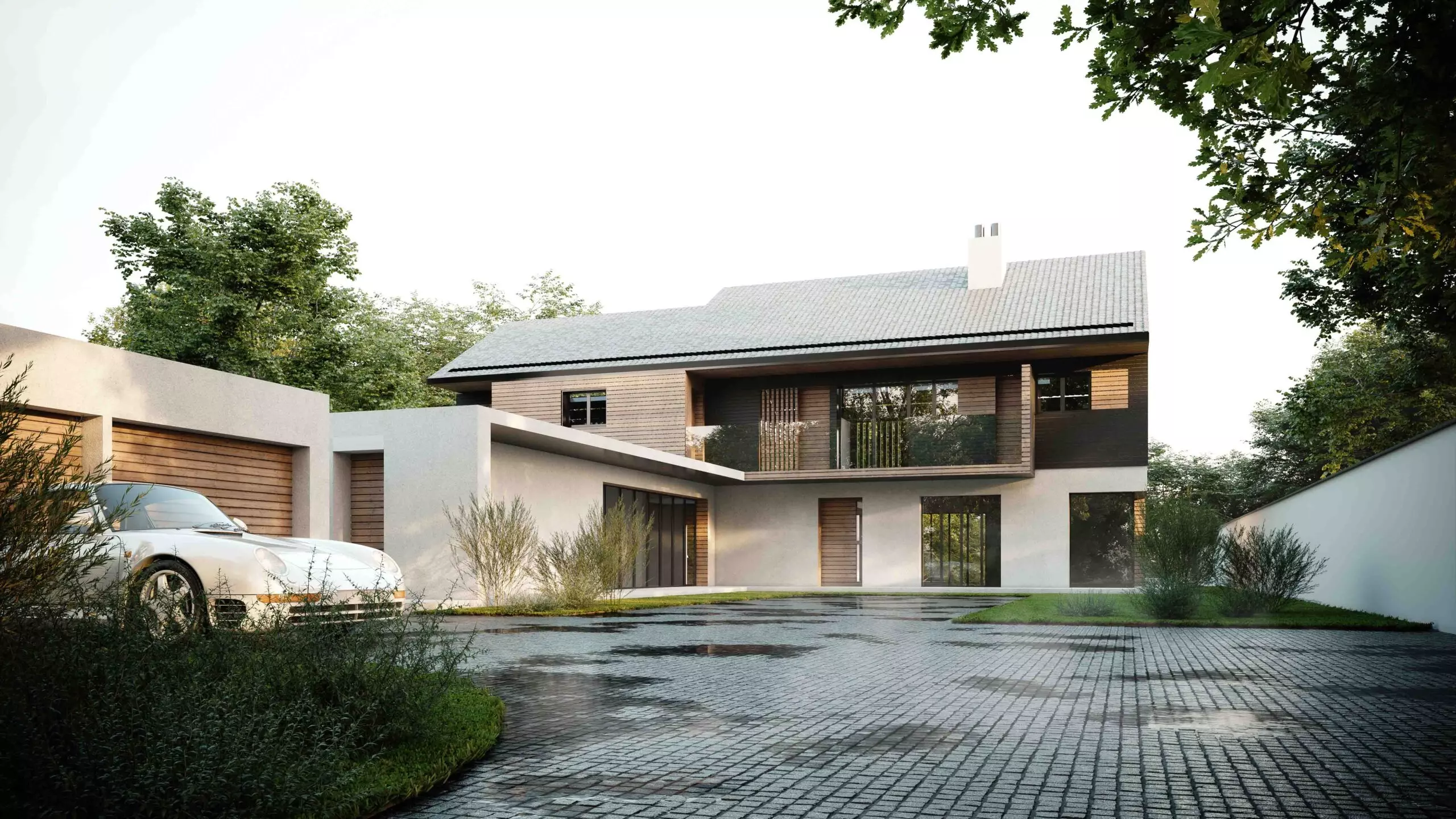
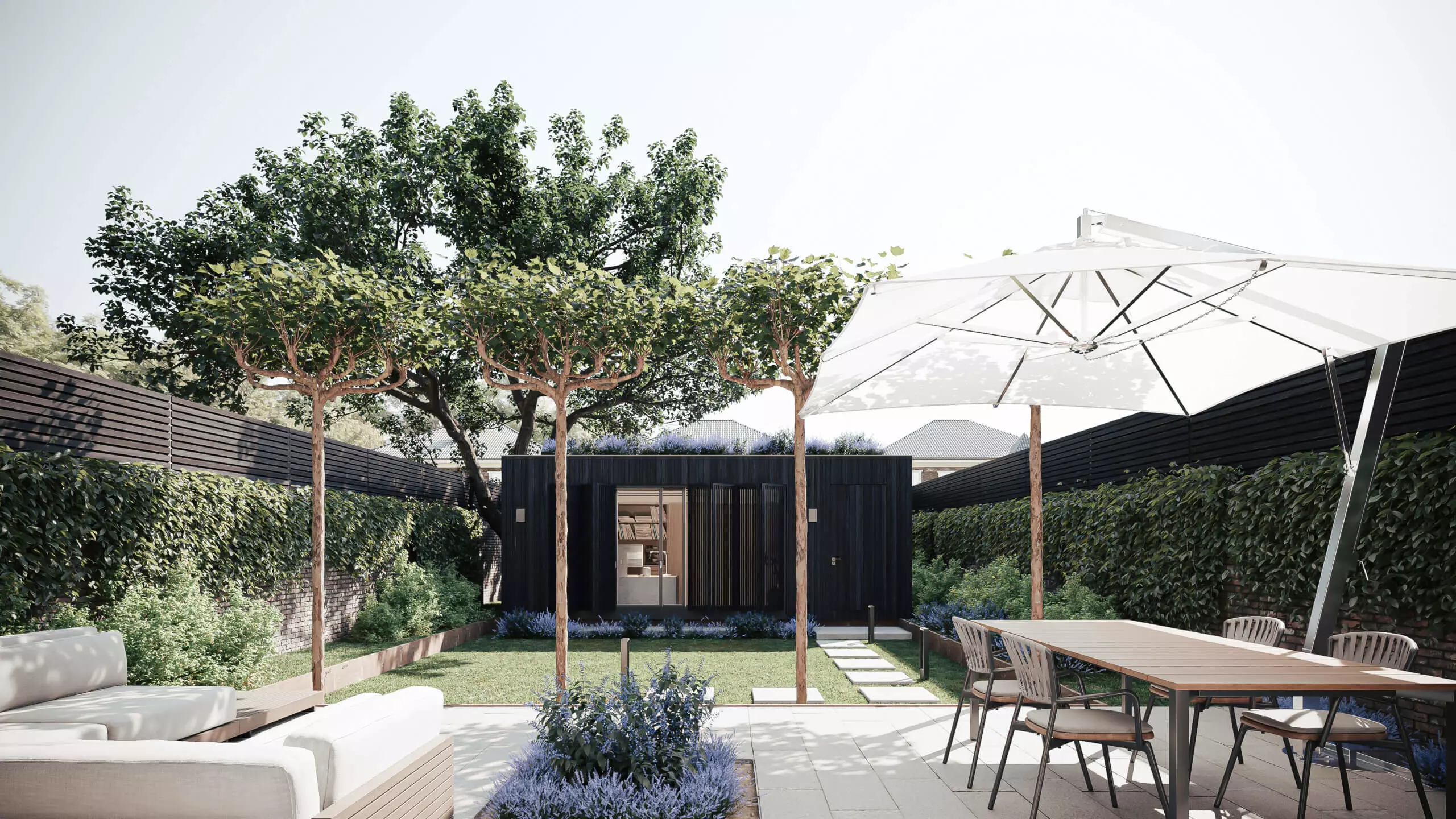
3D visualization pertains to realistic three-dimensional models or images that depict what a property might look like once developed. It would particularly apply when dealing with undeveloped parcels of land in urban areas as well as rural places where the investor intends to build residential homes. Hence, moving from an untouched site to envisioning future detailed concepts turns mere imagination into reality, thus making this property more attractive. All the buyers love virtual land toursand other things like that.
Moreover, land sale 3D visualization provides flexibility by allowing multiple development scenarios to be explored. The tractability of diversification helps in presenting different designs and layouts hence providing insight into how much value each option adds or subtracts from one another.
As a result, the vendor can easily convince potential buyers to invest in this land because they will have a scope of other choices that are available. It becomes much easier to sell raw land in this case.
Advantages of using 3D visualization for land sales
Engaging Buyers: 3D visualization allows potential clients to immerse themselves in the experience of purchasing a property, thus increasing their interest levels. You will sell the land much quicker.
Showcasing Potential: It is easier to show what the land could be post-development, making it more appealing to those who cannot picture it on their own.
Increasing Perceived Value: Properties advertised with quality 3D visualizations often appear more valuable hence commanding better price and faster transactions.
Request a quote
How to implement 3D visualization in land sales
Choosing the Right Software: The first step is selecting appropriate software for vacant real estate 3D visualization. Some common ones are SketchUp, Lumion, Blender, and Autodesk 3ds Max. When choosing, consider ease of use, features and compatibility with other tools.
Creating Realistic Renderings: Concentrate on details like lighting, textures as well as environmental aspects to produce realistic and attractive visual portrayals. Different versions may also be made to depict various development scenarios.
Integrating Visualizations into Marketing: Use these visualizations across various marketing platforms, from online listings to social media and brochures. They can also have applications in augmented reality or virtual reality (VR) where buyers get enabled to walk through the properties and immerse themselves in the environment.
Case studies: effective land sales through 3D visualization
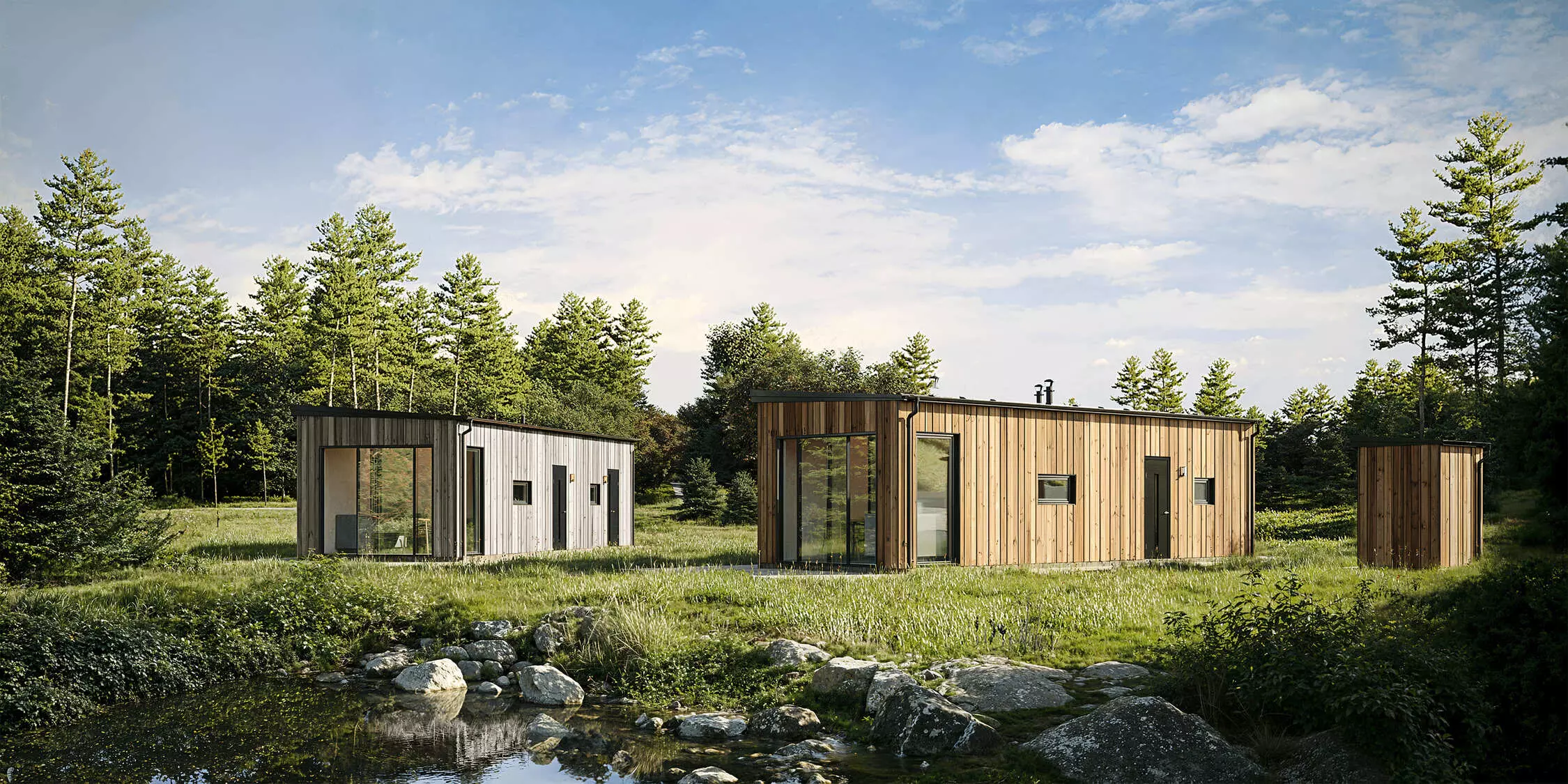
Case Study 1: A rural property that remained unsold for more than a year was taken off the market soon after its potential was revealed by 3D visualization as an eco-friendly resort. The rendered images depicted cabins, hiking paths, and communal areas, resulting in a sale within three months.
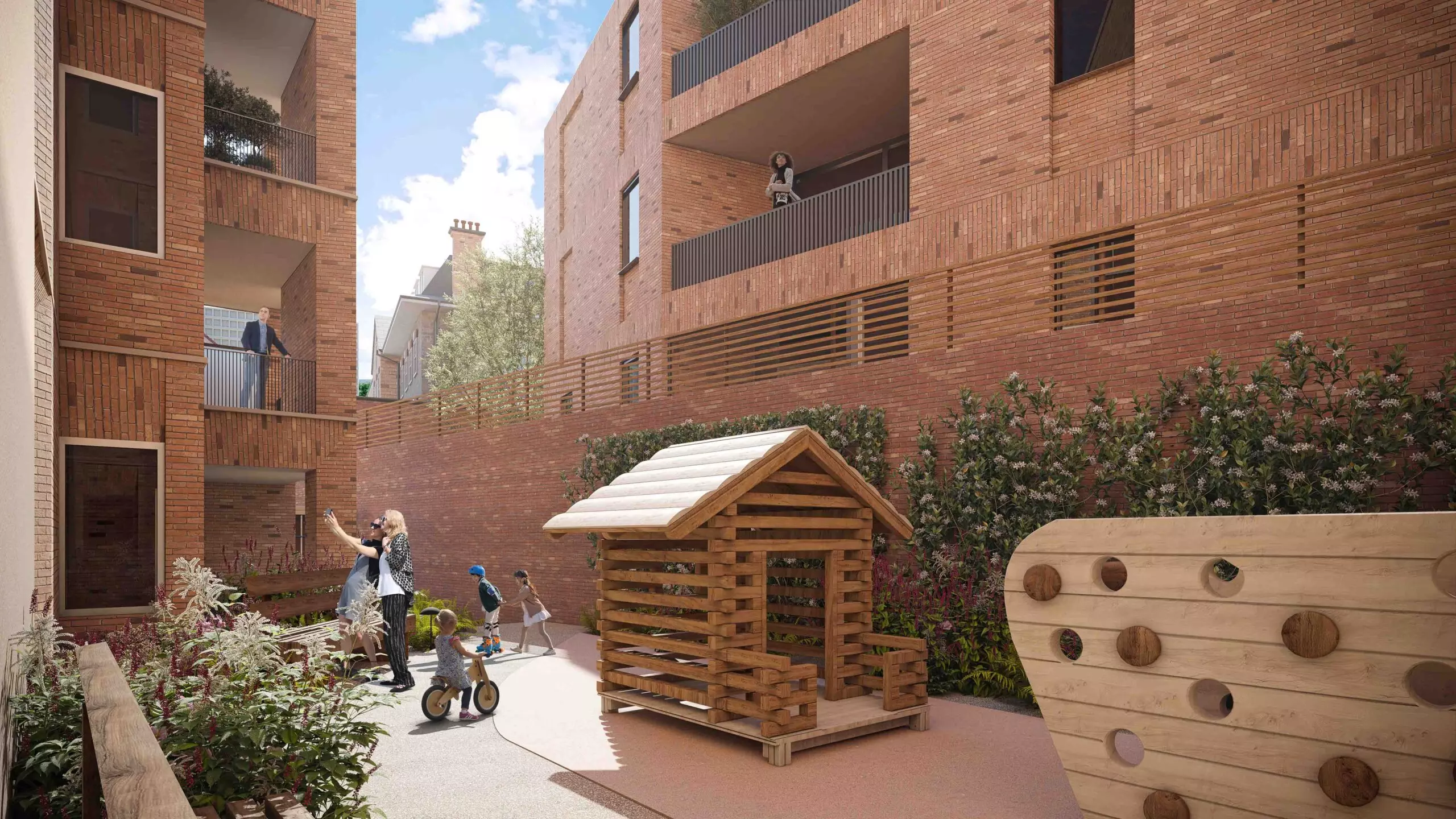
Case Study 2: Investors got interested with an urban plot that had no offers in a year after being shown a modern office complex complete with retail spaces using 3D visualizations. The property sold above the asking price within weeks.
These case studies demonstrate how underperforming land listings can be turned into successful sales using 3D visualization which shows the full potential of the property.
Tips on how to make the most of your 3D visualization
Detail and Accuracy: Ensure your renderings are both accurate and detailed. Such graphics should be almost similar to what you can achieve in reality since buyers rely on them as decision-making tools.
Simplicity is Key: Avoid complicating your designs much. Keep them clean while focusing on those features that are most likely to entice customers.
Collaborate with Professionals: Professional artists can be hired by people who have no experience. This will give you top-notch polished renders for your marketing campaign.
Final thoughts
The process of selling lands can change dramatically when utilizing 3D visualization. By creating detailed images that show what could be done with the land, sellers surpass the difficulties associated with marketing a blank piece of land to attract more purchasers.
It not only captures buyers’ attention but also unveils all possible beneficial characteristics of this territory, raising its perceived worth and making it go faster at sale. Contact us, and we will create any visualization you wish.
FAQ
Using realistic models or illustrations enables prospective purchasers to visualize one’s property development options.
It makes buyers more engaged, demonstrates the potential for development and increases perceived value.
Using special real estate visualization software like SketchUp, Lumion or Blender, you can create detailed visualizations.
Software such as Autodesk 3ds Max, Blender, and Lumion are among the most preferred in producing high quality visualizations.
Yes, for example, showing the possibility of using the space for different purposes can be highly beneficial for agents.
Rate article:
Nice
Average rating: 5 / 5
Vote count: 1
Yuri Prokopenko
Art Director at GENENSE
Yuri is responsible for the overall quality, workflow, and execution of exterior visualization projects. He ensures that every render meets high visual standards, maintains consistency across all production stages, and is delivered through a clear, structured process from concept to final output.
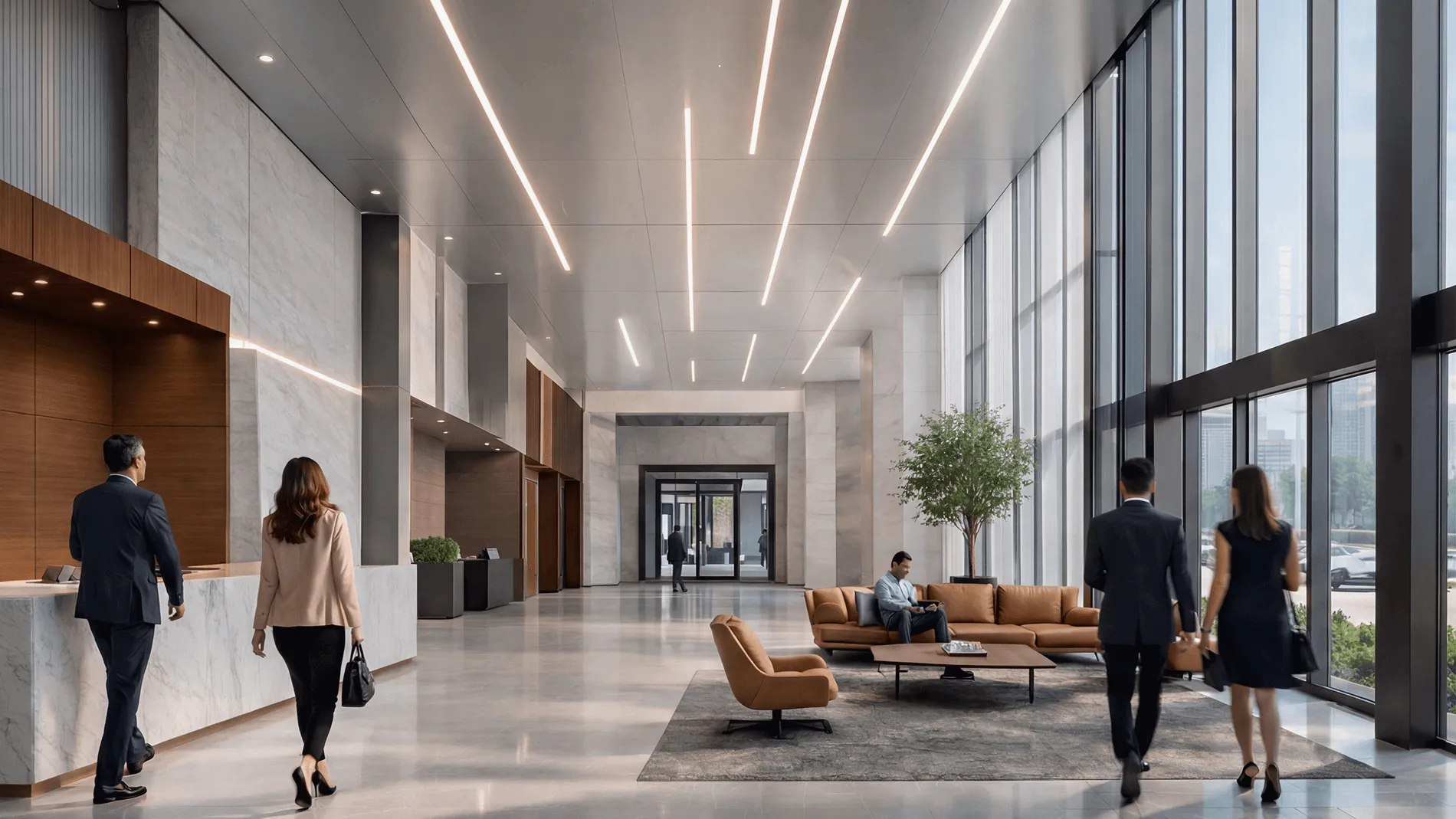
Why corporate headquarters need visualization that goes beyond “nice pictures.” Corporate headquarters are not just workplaces – they are strategic assets. Executive floors host investor briefings, R&D labs sit next to agile neighborhoods, and client areas must perform as brand touchpoints while meeting stringent acoustic, security, and wellness criteria. In this setting, office interior rendering […]
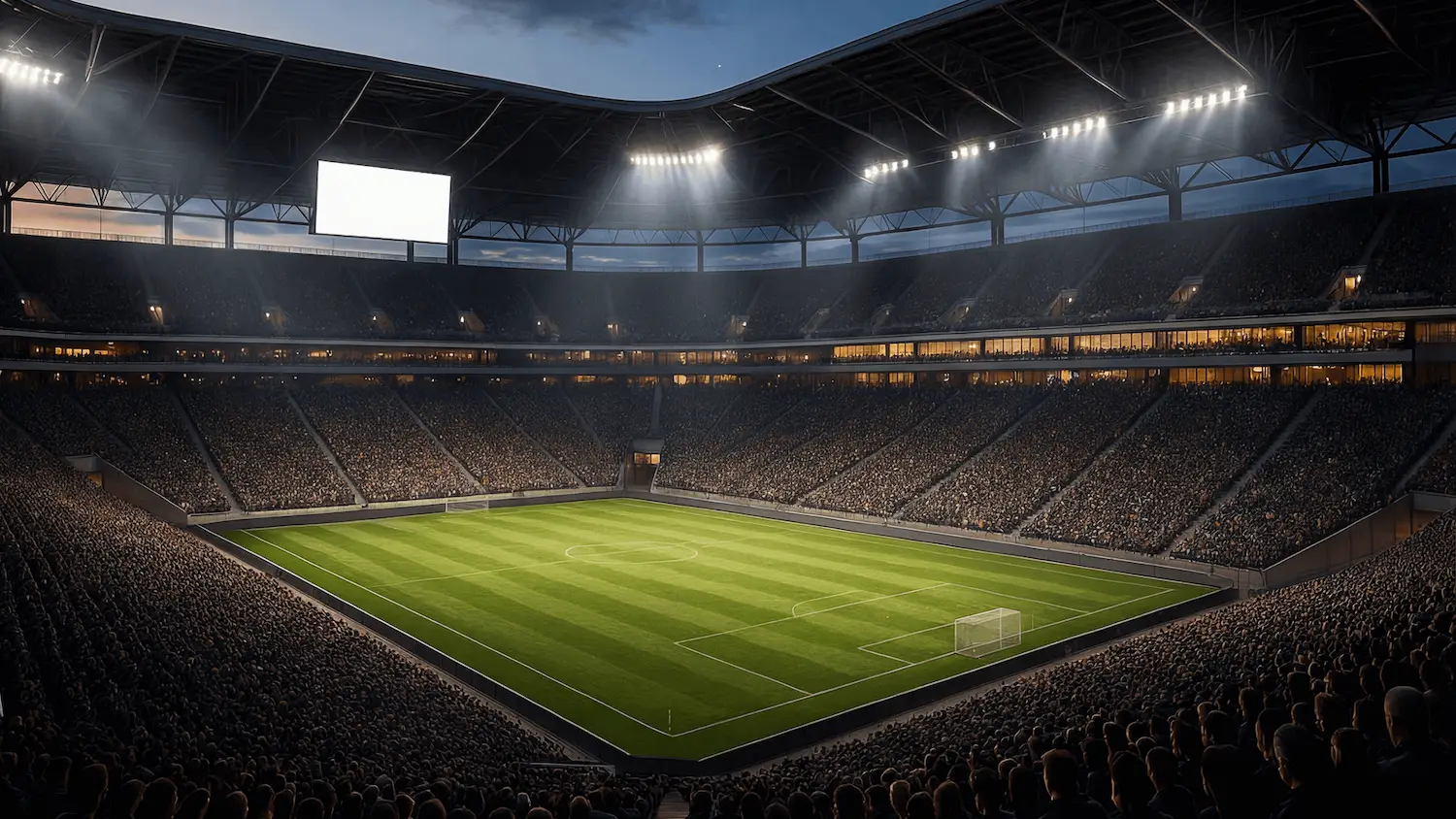
Why visualization makes or breaks a sports pitch Securing buy‑in for an arena, training complex, or campus rec upgrade demands more than attractive images. Decision‑makers need to understand how a building will move crowds, manage light and sound, and deliver revenue across game day and non‑event operations. This is where rigorous visualization turns vision into […]
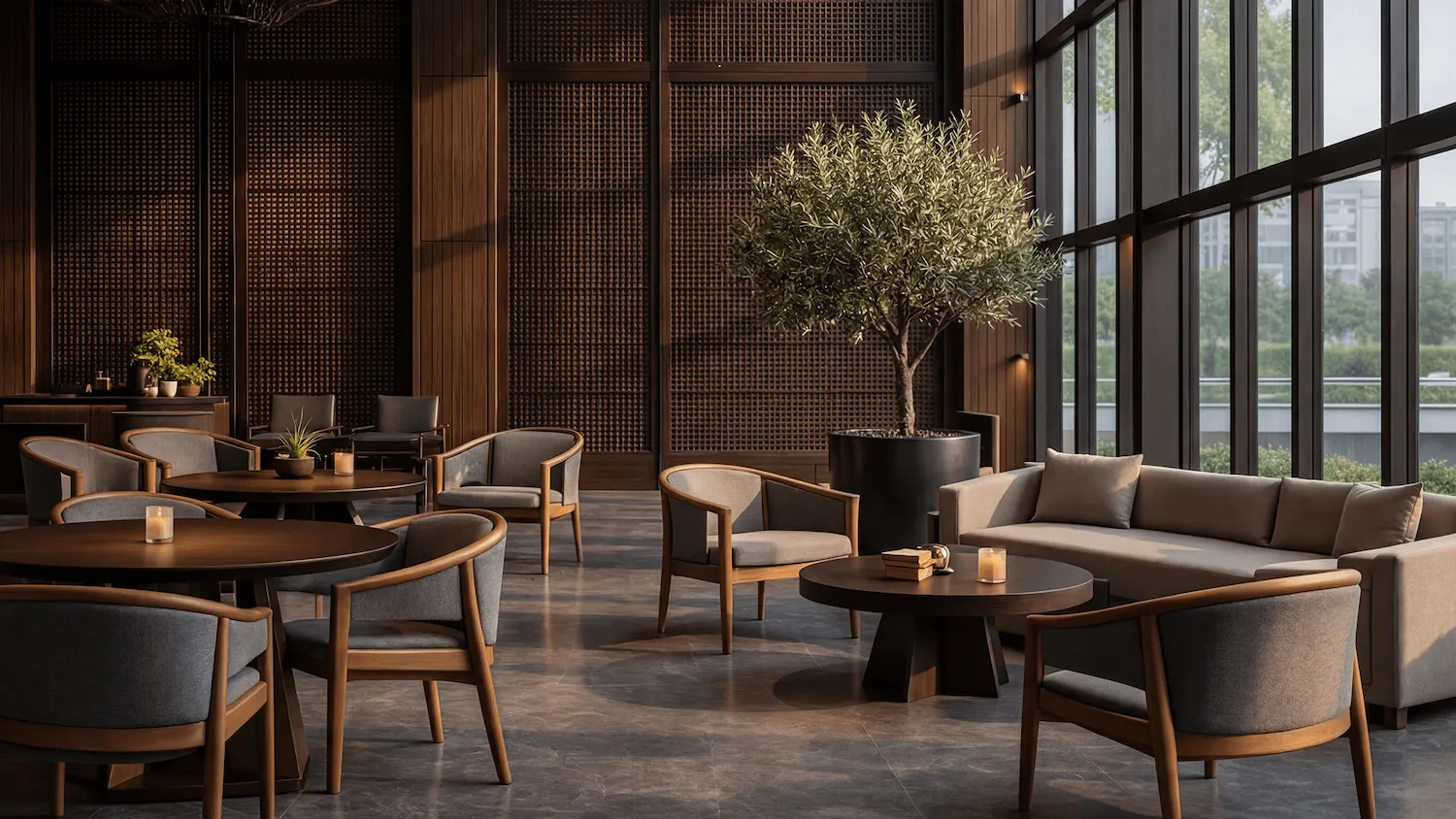
Every restaurant negotiates the same tension: more seats increase potential revenue per square foot, yet higher density can erode guest comfort and lengthen service times. In practice, the right equilibrium is shaped by concept, local code, and operational choreography. Dining rooms compete with circulation, queuing, accessibility-code clearances (e.g., ADA in the U.S.), acoustic treatments, host […]
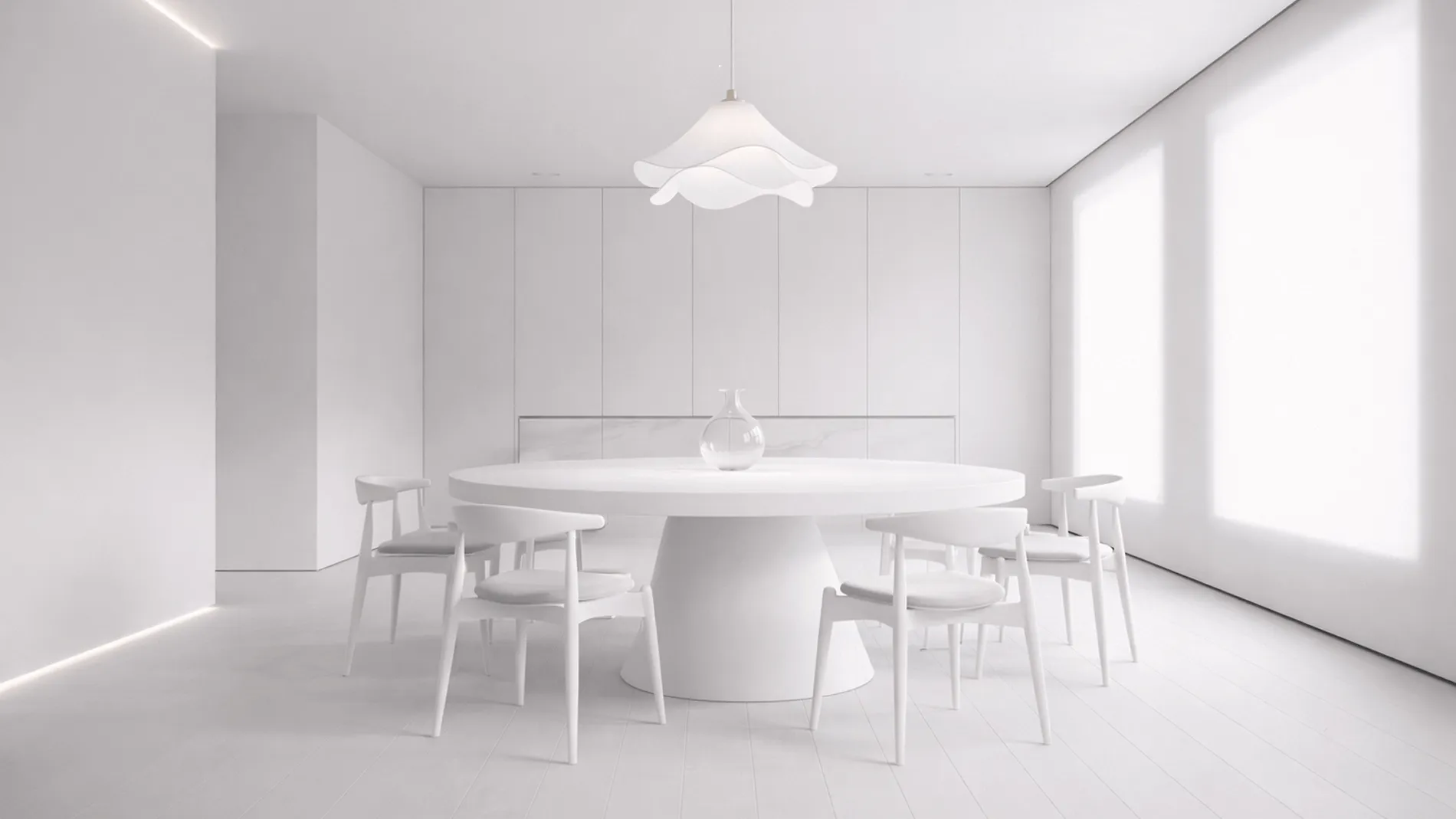
There are moments in architectural rendering when less truly is more. Early in a project, a dense, fully dressed scene can bury the core idea under textures, entourage, and decorative lighting. A simple architectural render keeps attention on massing, proportion, and the relationship of volumes. In other words, it expresses architectural intent with clarity. At […]
In fitness projects, the most expensive mistakes rarely come from finishes. They come from moving heavy equipment after construction has started, rebalancing HVAC because the cardio area runs hot, or discovering that barbell clearances clash with a column line. High‑stakes issues often hide in plain sight on plan views. Photoreal visualization brings those decisions forward, […]
Why lighting is the difference between images that inform and images that sell On any design project, light is the medium that reveals form, color, and texture – and the variable that most directly shapes client perception. At GENENSE, we treat illumination as a controlled experiment rather than a cosmetic tweak. Remember that lighting strongly […]