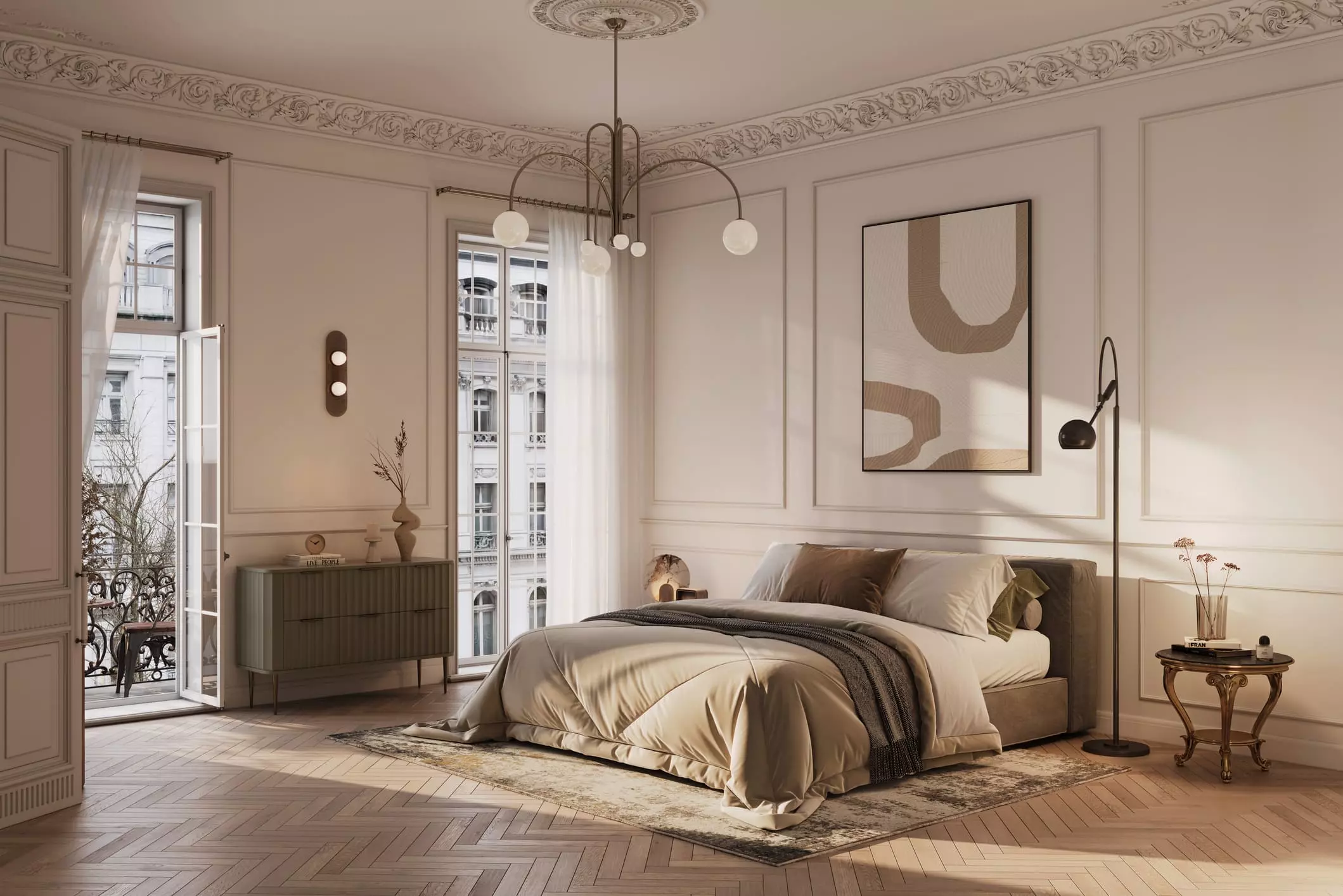
Finding the right light in design is a must in creating the unique feeling of a place. It is also crucial in how the space is utilized and perceived. It affects how we view colors and textures as well as how big a room feels.
By carefully planning and implementing diverse lighting and interior designstrategies, you can transform your home into a well-lit, inviting environment that enhances its aesthetic appeal and practical usability. Light and interior design are like partners, where cooperation gives fruitful results.
It changes everything
Sets the Mood: While soft fixtures create the intimate and soothing nature of the place, bright, cool light fixtures make areas such as cuisines and offices more active. Different lighting devices, such as dimmable ones, allow the user to alter the mood to be suitable for different activities.
Improves Functionality: Visible working surfaces are made for such activities as working, cooking, reading, etc. This helps reduce eye fatigue and enables users to work more efficiently.
Alters Perception of Space: Where bright and equally distributed light is used, it strategizes the room into a bigger perception, but when softer lights are used, the space is perceived to have an interpersonal touch.
Enhances Color and Décor: Such enhancement of the lights changes the plain interiors of the house and makes the joy and the calm within the room more articulate.
Boosts Energy Efficiency: Energy-efficient and cost-effective, modern lighting methods such as LEDs and smartlight controls are in great demand.
Request a 3D design pricing
Light types: two options to use
Natural
It goes through skylights, doors, and, of course, windows. This lighting in interior design also adds charm and some space in the room. Further, it also helps in decreasing energy expenditure, and increasing the mood of the space. For instance, factors such as the position of mirrors that support sun rays and colors of walls and furnishings to enhance daylight in the room.
Electric
There are three types of electric light.
The main task of general light is to add the brightness to a particular zone. This is found in hanging lamps on the ceiling, chandeliers, overhead lights, and other ceiling lighting fixtures for home.
Another thing is specific light: it is meant to apply light in interior design over surfaces where certain activities are carried out for example over tables or stoves during cooking or reading. Design of this type includes a desk lamp, lights placed under cabinets and other concentrated ceiling light fixtures.
When it comes to accent design in light, it is utilized to focus on certain features or for accent purposes.
Natural light in interiors alone has its place but it has been realized that without additions it cannot provide the beautiful setting of illumination when the sun goes down which is why the use of artificial lighting comes in.
Best lighting considerations in each room
We have prepared several good artificial lighting ideas that you will like: they can even be used in creating 3D tours.
Living Room
Let’s start with some living room lighting tips. It is helpful to combine general and accent lighting: it creates a warm environment. It is advisable to have adjustable lamps and dimmable lights for various needs and moods. This strategy helps in establishing a warm and pleasant atmosphere.
Kitchen
What about the kitchen lighting solutions? As far as the kitchen is concerned both general and task lighting will be expected. Ceiling lights serve the general purpose of lighting the kitchen, whereas under-cabinet lights help to light the work surfaces. Pendant lights above the island are both convenient and stylish.
Bedroom
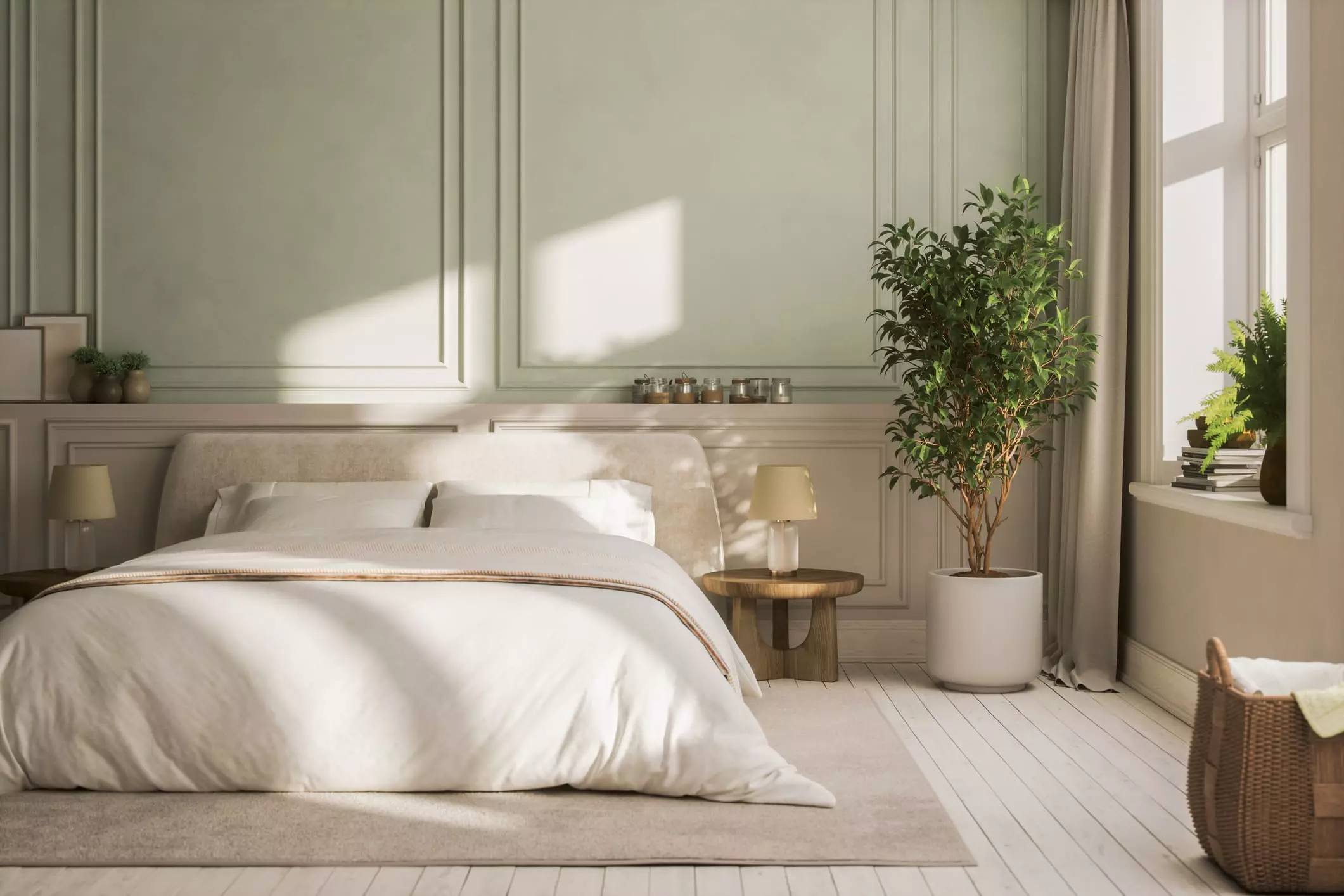
Speaking about the bedroom lighting ideas, it is the room where the light should strive to be soft and warm, as the aim is to create a chill atmosphere. General smart lighting solutions coupled with some lamps for reading and dimmable lamps comforts the user when they wish to relax.
Office
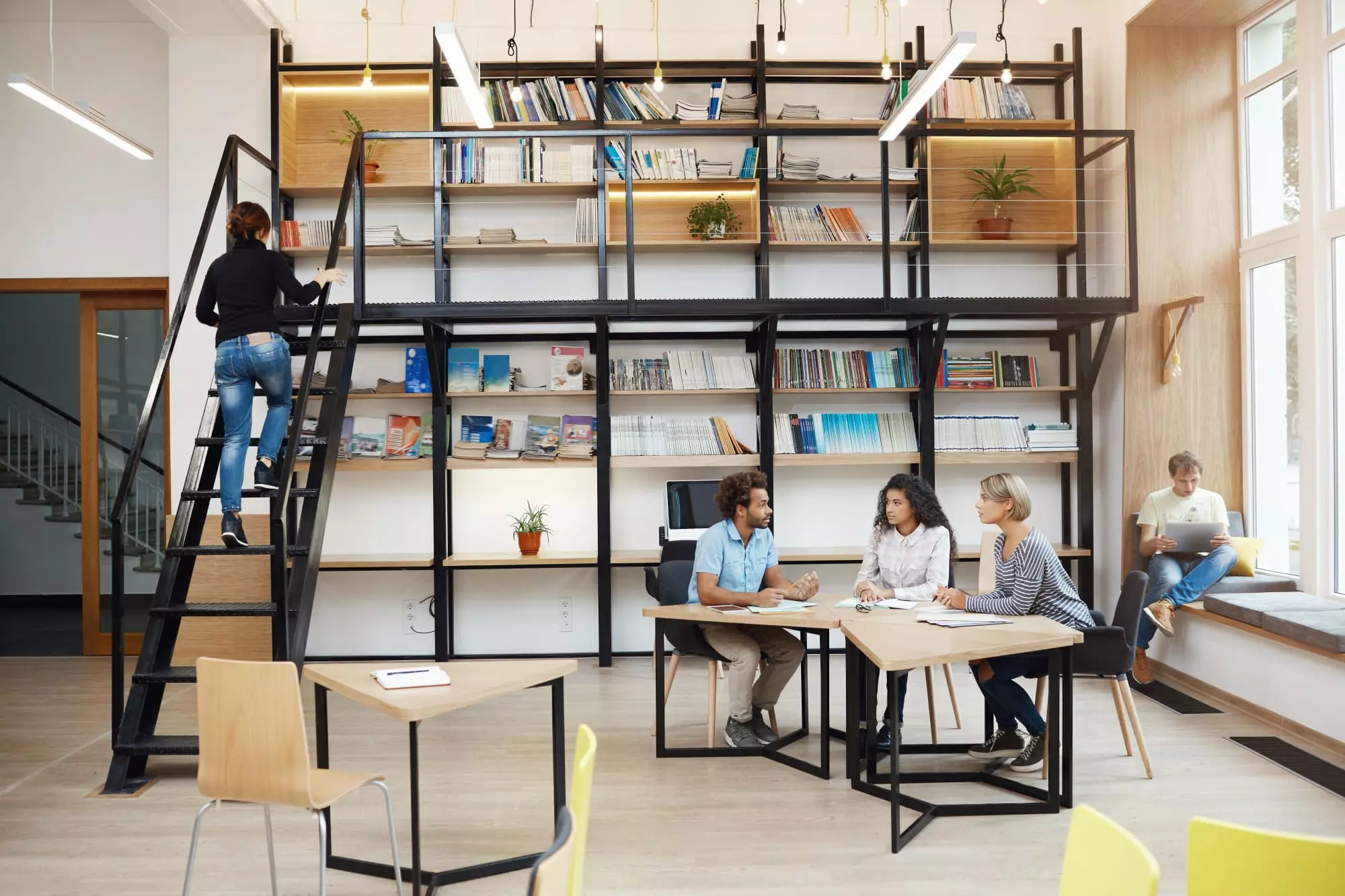
When it comes to office lighting design, make sure there is enough general lighting and make use of desk lights where concentrated light is required. When lighting is adjustable, this reduces the strain on one’s eyes and increases attention.
Things to consider before making a choice
Details That Matter
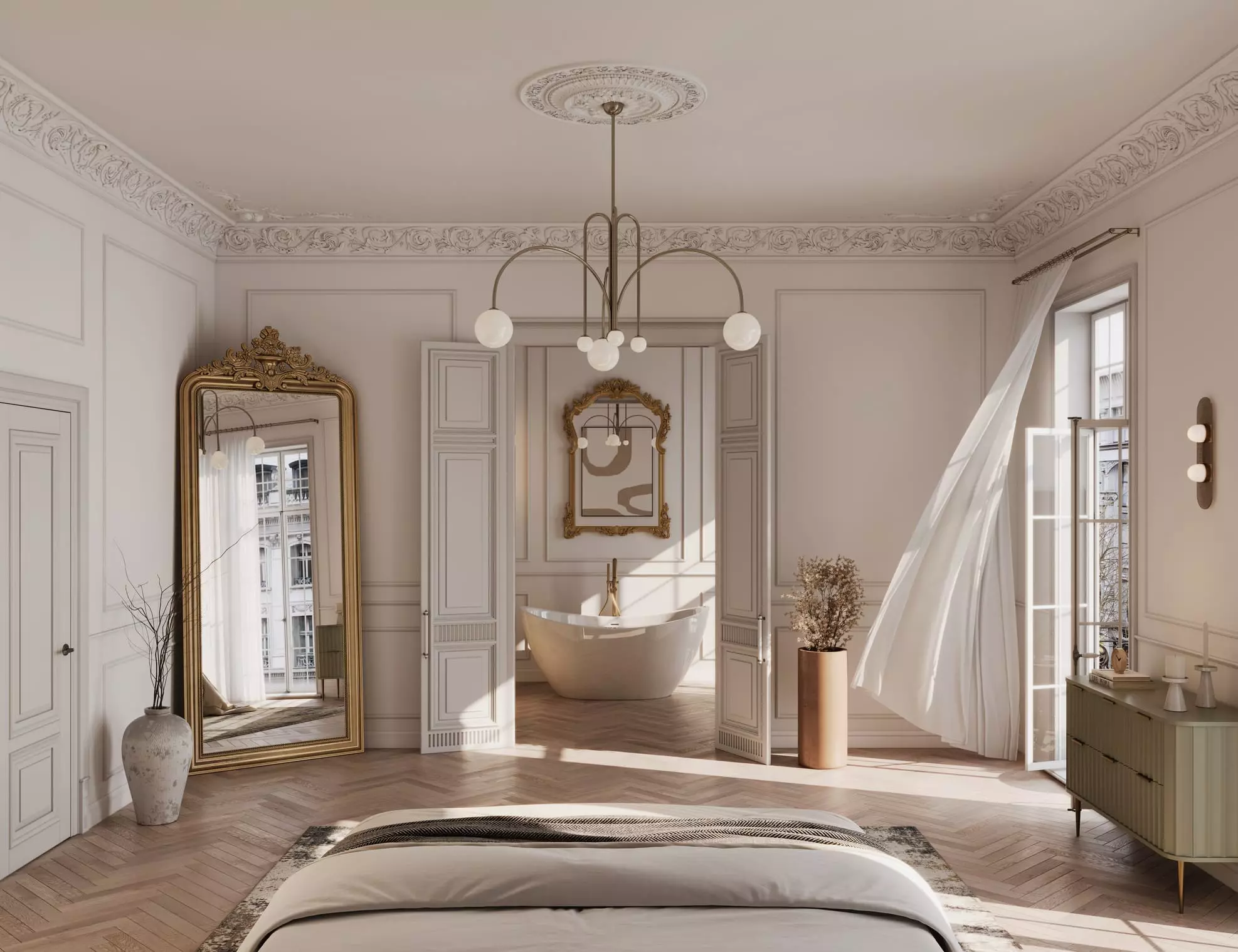
Chandeliers: Most appropriate when used for embellishment and decorative accents in dining rooms or entryways.
Pendants: These decorative fittings are commonly seen in kitchen and dining room areas and are both beautiful and functional.
Lamps: Adaptable light fixtures where windows and overhead light are inadequate such as living room, work desk areas.
Recessed Lights: Gives a modern and uncluttered appearance while being good for ambient light in spaces.
Fixtures Selection
Choose options that go well with your room outlines. For example, you can opt for a glorious chandelier in a classical interior, conversely in modern design the degree of extravagance tends to decrease. Remember that placed fixtures should always add to the style and manipulate every space.
Green Options
It is always recommended to utilize LEDs and CFLs actually considered green. These options are not only low on energy use, and long-lived, but also come in many designs.
First-class lighting approaches
Make it Smart
Dimmers work by diminishing the level of the light provided producing multiple light variations hence conserving the energy used. Smart systems incorporate the use of applications in controlling light or voice making it possible to set the light according to the preference of an individual or group.
Add Layers
Layering is the technique that not only improves the functionality in the room but provides an aesthetic value to the room as well making it more appealing.
Add Highlights
This one underlines specific architectural features of beams and columns or textured walls of the interior. This is an added bonus as it helps enhance the feature of the unique interior space of your house.
Wrapping up
It is true that there are many benefits of lighting and one of them is enhancing the beauty of any room or space. By knowing the various types of energy-efficient lighting, using specific room strategies, and mastering various advanced light techniques, the background and the utility of the house can be improved greatly. We have extensive experience of working with it, so contact us and we will fulfill all your ideas.
FAQ
They include general, accent and specific lighting.
You can use reflective surfaces and strategically place windows around a house in order to get more sunlight.
Apply warm light in the living zone, focus on useful lighting in the kitchen, tender lighting in the sleeping area, and pretty strong light in the office.
Pick up a fitting that suits your room decor. This will improve the room design a lot.
Utilize adjustable dimmers, cutting-edge lighting technologies, layered illumination strategies, and focused accent lights to emphasize architectural details and bring depth and character to the overall design.
Rate article:
Nice
Average rating: 5 / 5
Vote count: 1
Yuri Prokopenko
Art Director at GENENSE
Yuri is responsible for the overall quality, workflow, and execution of exterior visualization projects. He ensures that every render meets high visual standards, maintains consistency across all production stages, and is delivered through a clear, structured process from concept to final output.
In today’s architecture RFP (Request For Proposal) market in the US, experience and portfolio alone do not win projects anymore. In 2026, 3D visualization plays a big role in how fast a committee understands, supports, and remembers a project. Florida’s procurement market moves fast and has its own rules. Teams often review many proposals in […]
In architectural tenders in the UK, competition is not about ideas, but about how clearly they are communicated. Success depends on a well-built architecture proposal presentation, and 3D visualisation often becomes the key factor that strengthens the evaluation of design quality. Architecture tenders in the UK are the main way to win large projects in […]
For developers and architects, 3D rendering services in the Netherlands create realistic images of real estate projects. It helps speed up approvals, present ideas better to investors, and support early-stage sales. It also reduces the number of revisions and makes cooperation between all project participants clearer. GENENSE provides 3D rendering for international projects, including work […]
3D kitchen rendering in the UK helps create a well-structured design environment for testing, refining and validating the design of a space before construction begins, being essential for architects, developers, manufacturers and interior designers. Professional rendering minimises the risk of uncertainties and additional costs caused by them through accurate visual simulation. In the UK context, […]
3D architectural visualisation in the UK is not a decorative add-on, but a functional decision-support tool for stakeholders in search of unique design solutions before construction begins. It collects drawings and BIM data to create a high-quality visual reference. 3d rendering services in the UK are essential for complex projects, which involve interaction of investors, […]
3D rendering services help check a project before it becomes expensive. They make it possible to fix architectural decisions, align them between all parties, and remove uncertainty at the planning stage, when changes do not affect the schedule or budget. For 3D architectural rendering in Costa Rica, strong visual accuracy is required. Projects often work […]