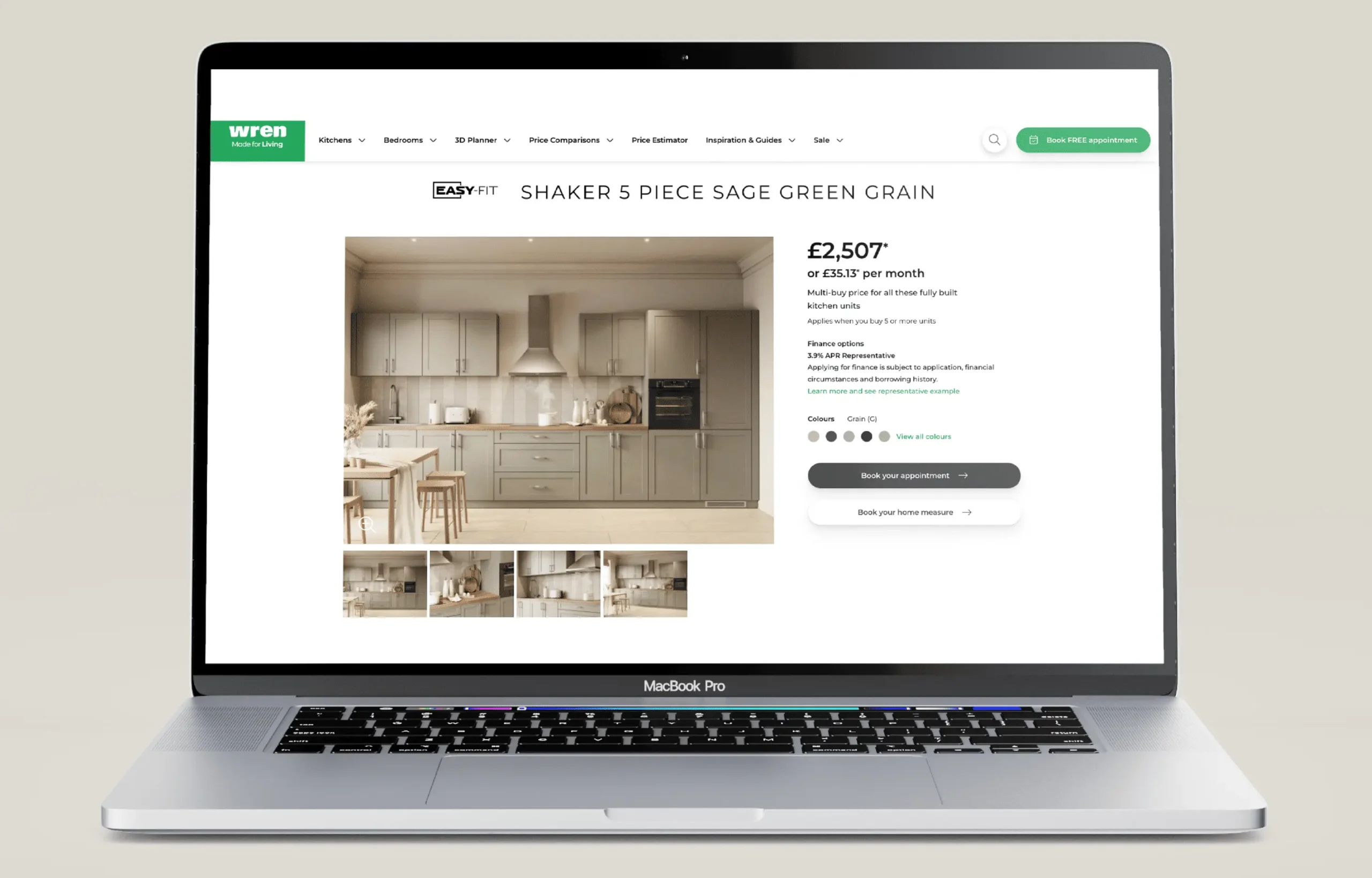
The increase in online furniture sales has been tremendously pronounced recently. With the help of global e-commerce sites, social media promotion, and increased mobile usage, more customers are purchasing sofas, shelves, and even side tables without ever visiting a physical store. While this change has enabled retailers to access new markets, it has also come with its own difficulties.
Furniture is tactile. Seeing furniture pieces on a screen is not the same as experiencing them in real life, especially when shoppers want to imagine how the furniture would look in their homes. In a screen-based shopping environment, that sensory experience is lost – unless you bring it back with the help of cutting-edge visuals. This is where CGI comes into play.
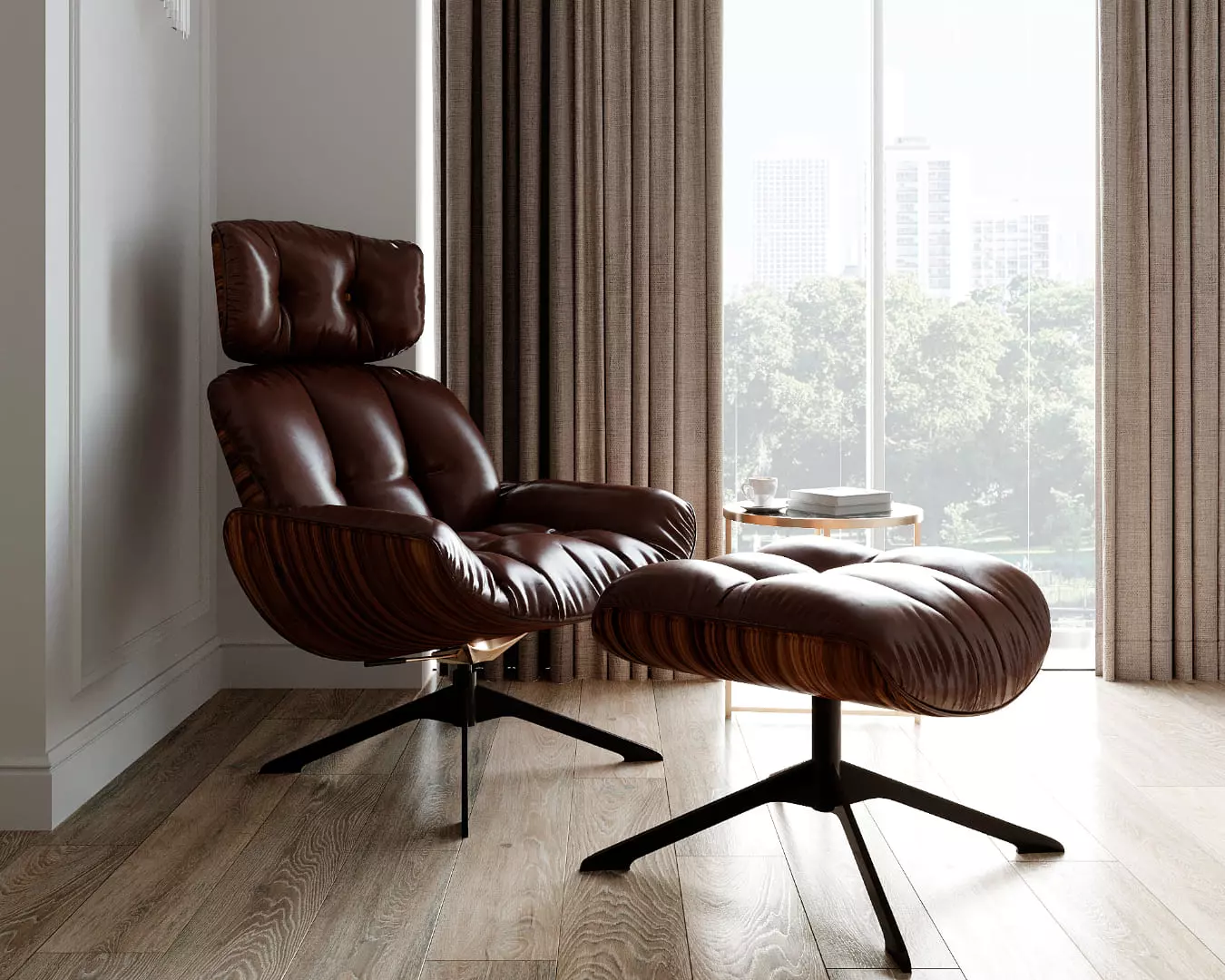
CGI for furniture focuses on hyper-realistic furniture 3D rendering for customizable confidence-boosting shopping experiences. As such, brands are able to create tailored imagery for each individual customer, which cultivates a personalized experience. Regardless of whether you are a boutique or a large-scale retailer, utilizing 3D visualization services will enhance your brand’s online visibility while dramatically improving furniture sales.
Request a 3d furniture rendering quotation
The impact of CGI in furniture E-Commerce
So, what is CGI in this case?
The use of Computer Generated Images (CGI) in furniture e-commerce eliminates the need for traditional product photoshoots, as it creates 3D models of furniture and interiors. Through CGI, product photographs are easier and quicker to obtain than ever before.
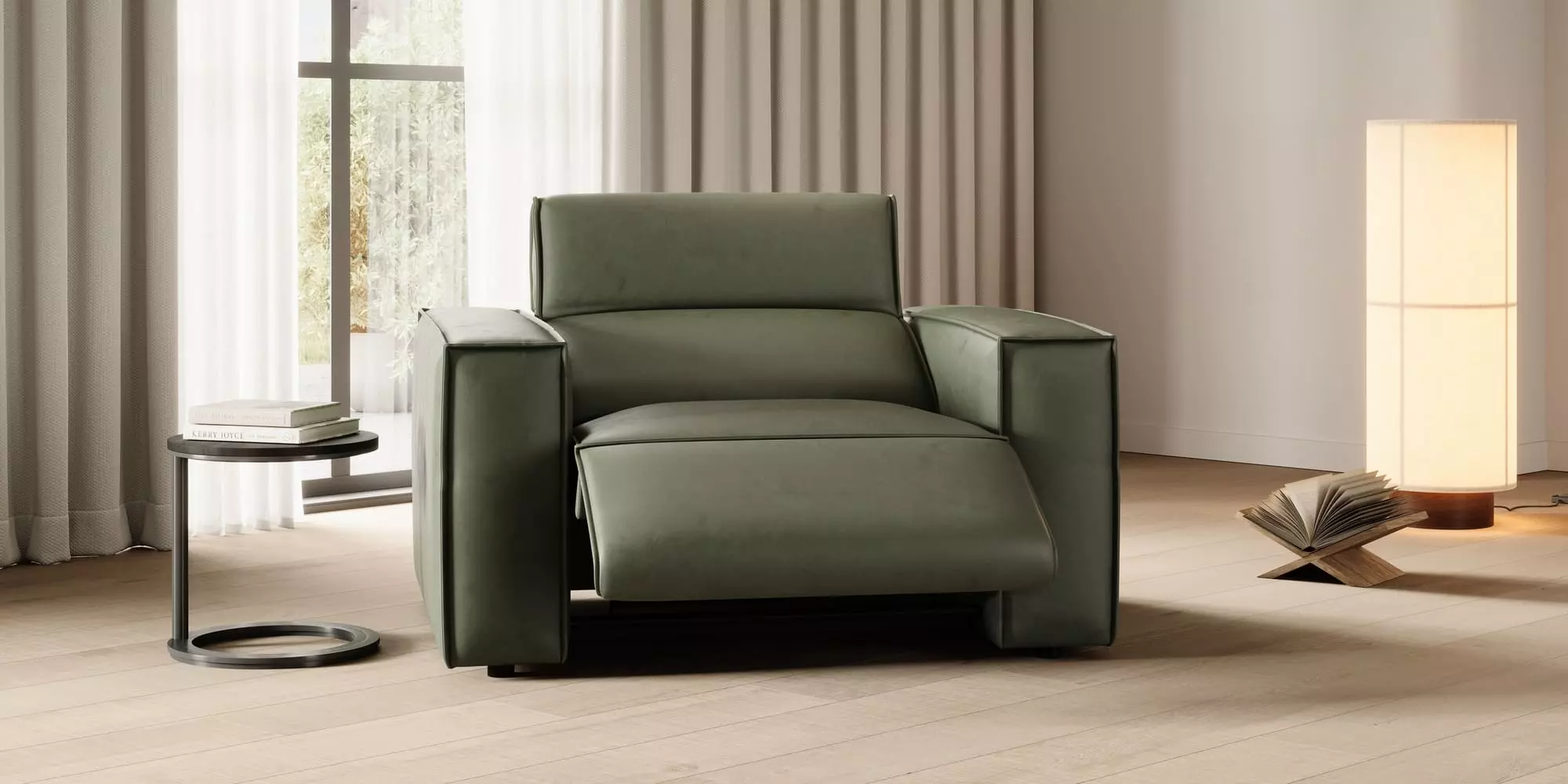
Gone are the days when launching a product meant producing expensive prototypes, hiring a studio and scheduling a full day photoshoot. Give a designer your concept, and through visualization you can go from idea to catalog in no time at all. Need a summer and autumn look for your bestseller? No problem. Want to showcase your chair in five different wood finishes? Done.
The impact of CGI in product presentation goes beyond images, now offering interactive 360° views and even virtual try-on features through augmented reality.
Best CGI solutions for furniture companies
Let’s go over the most effective CGI solutions for furniture e-commerce businesses today:
3D product rendering. This is the foundation. 3D rendering for e-commerce is done with precision. Each grain, reflection, and shadow is captured accurately for utmost realism making it possible to convert your furniture designs to lifelike visual renderings. These renders can be reused and adjusted for display in other colors, materials, or sizes. Additionally, different custom variants of the products can effortlessly be showcased.
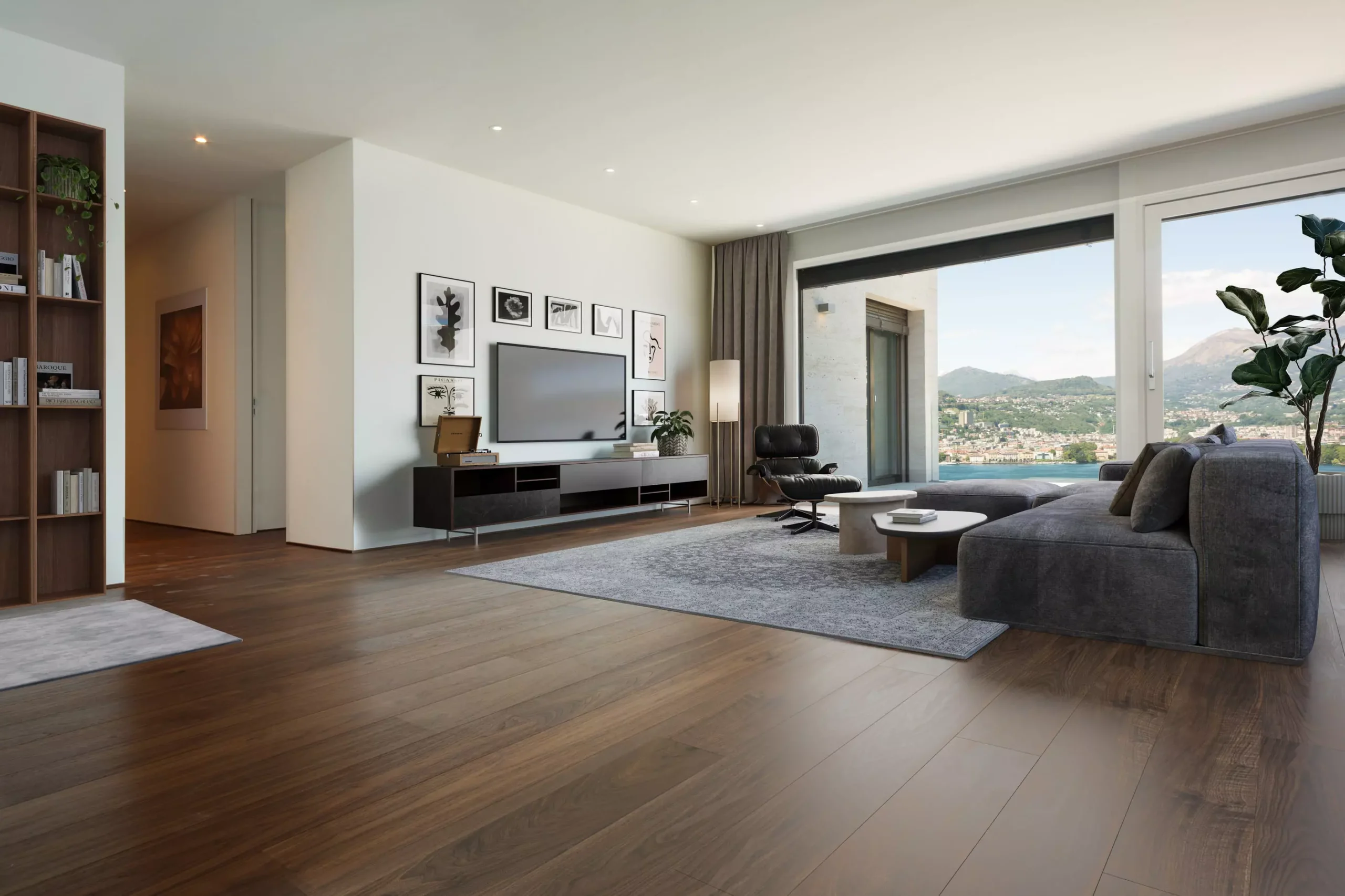
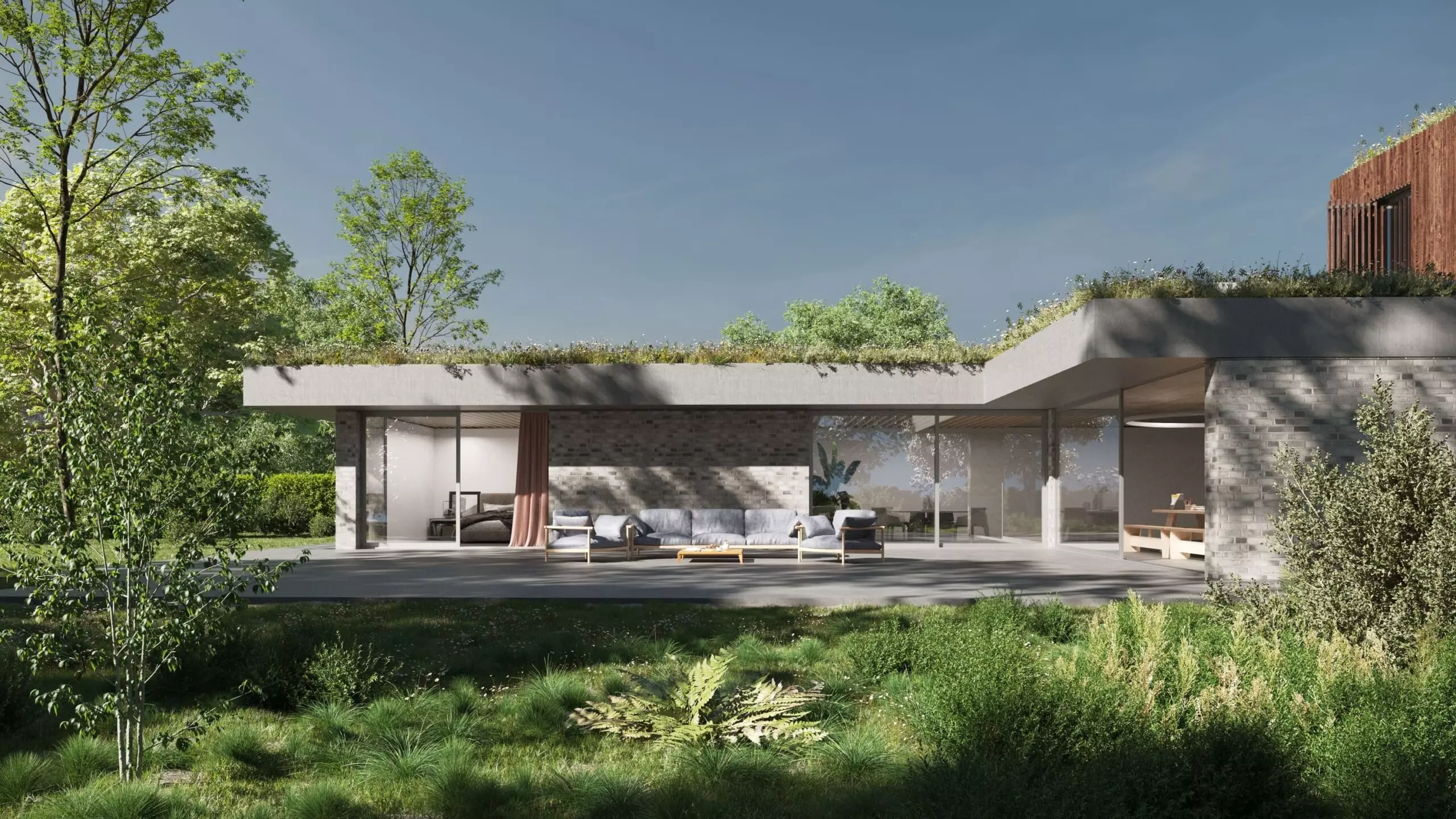
Virtual staging. Using virtual staging furniture tools, your furniture can be set in pre-decorated interior scenes. No real rooms, props, or logistics are required. This allows buyers to see how pieces would fit in a modern loft or a cozy Scandinavian living room. Virtual staging enhances product pages, fueling lifestyle marketing while enriching consumer motivation-source inspiration.
Integration of VR and AR. Virtual and augmented reality are much more than visions of the future – today, they’re adding value for forward-thinking furniture brands. AR enables users to see 3D furniture models within the physical space of their room using the phone camera. VR offers showroom viewings over the internet. Collectively, these technologies lower the rate of items returned, expand viewing times, and provide that vital sense of excitement.
Interactive 360° views. Give your customers the ability to spin, zoom, and freely examine your products. The interactive 3D renderingof furniture offers a hands-on experience that fosters trust and satisfaction, which is crucial when dealing with expensive products.
Benefits of CGI for online furniture retailers
Let’s discuss the ROI. The incorporation of CGI into your e-commerce workflow offers benefits that are clear and concrete.
Faster time-to-market
Prototypes, photoshoots, and post-production all require time, something CGI eliminates. After rendering based on CAD files or even just sketches, demand testing can be done prior to full production, greatly shortening the launch cycle.
Savings on photo shoot costs
The costs associated with hiring a photographer, renting a studio, transporting products, and styling interiors can add up quickly. With CGI, all of that is obsolete. One model is now capable of generating entire product shot campaigns across styles, seasons, and color variants at a fraction of the cost.
Enhanced customer interaction and reduced return rates
When customers have the opportunity to view a product in their own environment, examine it from all angles, and comprehend its features in detail, they are more assured in their purchase decision. This leads to increased cart completions and repeat purchases while drastically reducing returns, which is a major margin drainer in online furniture retail.
Request a 3d furniture rendering quotation
Selecting the right CGI partner
Not all computer-generated imagery has the same quality standards. In as much as it is possible to CGI furniture, having high-quality imaging is essential in instilling trust in customers and winning their business. Here are some things to consider when looking for a 3D visualization partner.
Portfolio Range: What styles do they cover (modern, classic, minimal, rustic)?
Do their renders stand up next to real photos?
Customization Options: How fast can they change colors, materials, or product configurations?
Do they support AR/VR, interactive 360s, or integration with your e-commerce platform?
Can they handle your catalog size and grow with you?
Real example
Wayfair, one of the largest online furniture retailers, invested heavily in 3D rendering and AR to replace traditional photography. Using their proprietary Wayfair Next platform, they scaled product visualization across thousands of SKUs without needing physical samples. This enabled faster product rollouts, consistent image quality, and improved customer engagement.
The results? Wayfair reported increased customer confidence in online purchases and a notable reduction in returns – thanks to better spatial visualization via AR and high-quality CGI.
Conclusion
Furniture brands now stand a chance to get their footing in the world of digital retail. It is essential that they keep up with evolving technology. With CGI for furniture, businesses now have the ability to smartly and effortlessly market their products, engage with customers over the internet, and capture attention in the busy market: this and other trends are vividly seen on architecture events Europe 2025.
What do you say: ready to sell smarter? Order today our CGI solutions and increase your click to conversion ratio. We work hand in hand with you to visualize your furniture brand’s next level.
FAQ
It allows potential clients to interact with the product through a highly detailed immersive experience that showcases the items from various angles.
Cutting-edge features include 3D rendering and virtual staging combined with interactive 360° views and AR integration aimed at maximizing user interaction alongside diminished returns.
Yes, and it is often a superior solution. CGI provides greater speed, flexibility, and long-term cost-effectiveness. It also allows for consistent branding, uniform across all products, alongside endless design variations.
Cost depends on complexity and volume, but is usually more economical than multiple photoshoots, especially for large catalogs or varying products.
CGI users report quicker time-to-market, reduced returns, increased sales, and high customer satisfaction, thus enhancing brand value and serving as an intelligent long-term investment.
Rate article:
Nice
Average rating: 5 / 5
Vote count: 3
Denys Borozenets
CEO at GENENSE
Denys is the CEO of GENENSE Studio. His mission is to build an international community of passionate CGI professionals, where everyone can unlock their potential by creating high-end digital content that helps highlight any product on the global stage.
As a leader, he holds himself to the highest standard of responsibility - for both his own work and that of his team. For the members of GENENSE, responsiveness and open communication are the core values that drive their collective success.
In today’s architecture RFP (Request For Proposal) market in the US, experience and portfolio alone do not win projects anymore. In 2026, 3D visualization plays a big role in how fast a committee understands, supports, and remembers a project. Florida’s procurement market moves fast and has its own rules. Teams often review many proposals in […]
In architectural tenders in the UK, competition is not about ideas, but about how clearly they are communicated. Success depends on a well-built architecture proposal presentation, and 3D visualisation often becomes the key factor that strengthens the evaluation of design quality. Architecture tenders in the UK are the main way to win large projects in […]
For developers and architects, 3D rendering services in the Netherlands create realistic images of real estate projects. It helps speed up approvals, present ideas better to investors, and support early-stage sales. It also reduces the number of revisions and makes cooperation between all project participants clearer. GENENSE provides 3D rendering for international projects, including work […]
3D kitchen rendering in the UK helps create a well-structured design environment for testing, refining and validating the design of a space before construction begins, being essential for architects, developers, manufacturers and interior designers. Professional rendering minimises the risk of uncertainties and additional costs caused by them through accurate visual simulation. In the UK context, […]
3D architectural visualisation in the UK is not a decorative add-on, but a functional decision-support tool for stakeholders in search of unique design solutions before construction begins. It collects drawings and BIM data to create a high-quality visual reference. 3d rendering services in the UK are essential for complex projects, which involve interaction of investors, […]
3D rendering services help check a project before it becomes expensive. They make it possible to fix architectural decisions, align them between all parties, and remove uncertainty at the planning stage, when changes do not affect the schedule or budget. For 3D architectural rendering in Costa Rica, strong visual accuracy is required. Projects often work […]