
blog
The latest Article
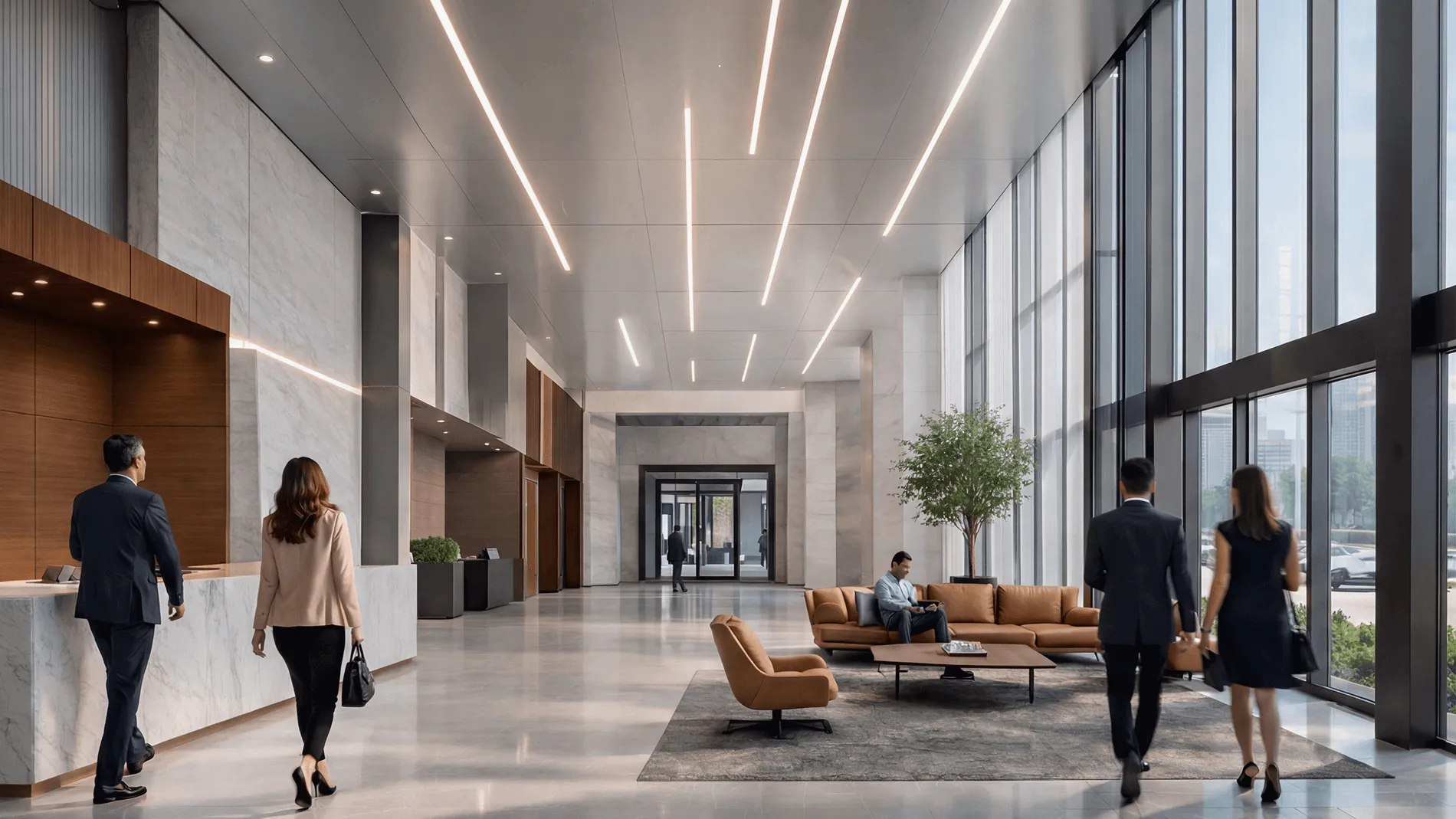
Why corporate headquarters need visualization that goes beyond “nice pictures.” Corporate headquarters are not just workplaces – they are strategic assets. Executive floors host investor briefings, R&D labs sit next to agile neighborhoods, and client areas must perform as brand touchpoints while meeting stringent acoustic, security, and wellness criteria. In this setting, office interior rendering […]

Why visualization makes or breaks a sports pitch Securing buy‑in for an arena, training complex, or campus rec upgrade demands more than attractive images. Decision‑makers need to understand how a building will move crowds, manage light and sound, and deliver revenue across game day and non‑event operations. This is where rigorous visualization turns vision into […]

Every restaurant negotiates the same tension: more seats increase potential revenue per square foot, yet higher density can erode guest comfort and lengthen service times. In practice, the right equilibrium is shaped by concept, local code, and operational choreography. Dining rooms compete with circulation, queuing, accessibility-code clearances (e.g., ADA in the U.S.), acoustic treatments, host […]

The significance of a 3D house rendering virtual tour within the property industry cannot be overstated. In other words, potential buyers can look at everything without visiting countless buildings or wasting time on this kind of search.

An important technique in 3D modelling and rendering that makes the drawings more realistic is the use of lighting. By manipulating light sources and shadow effects, architects can bring depth to their visuals. Simulating different times of day or weather conditions can for example demonstrate how natural light interacts with the building.

In the intricate world of CGI production, professional project management serves as the linchpin for ensuring smooth workflows, meeting client expectations, and delivering high-quality outputs on time and within budget. A skilled project manager orchestrates the complex interplay of tasks, resources, and timelines to drive project success.
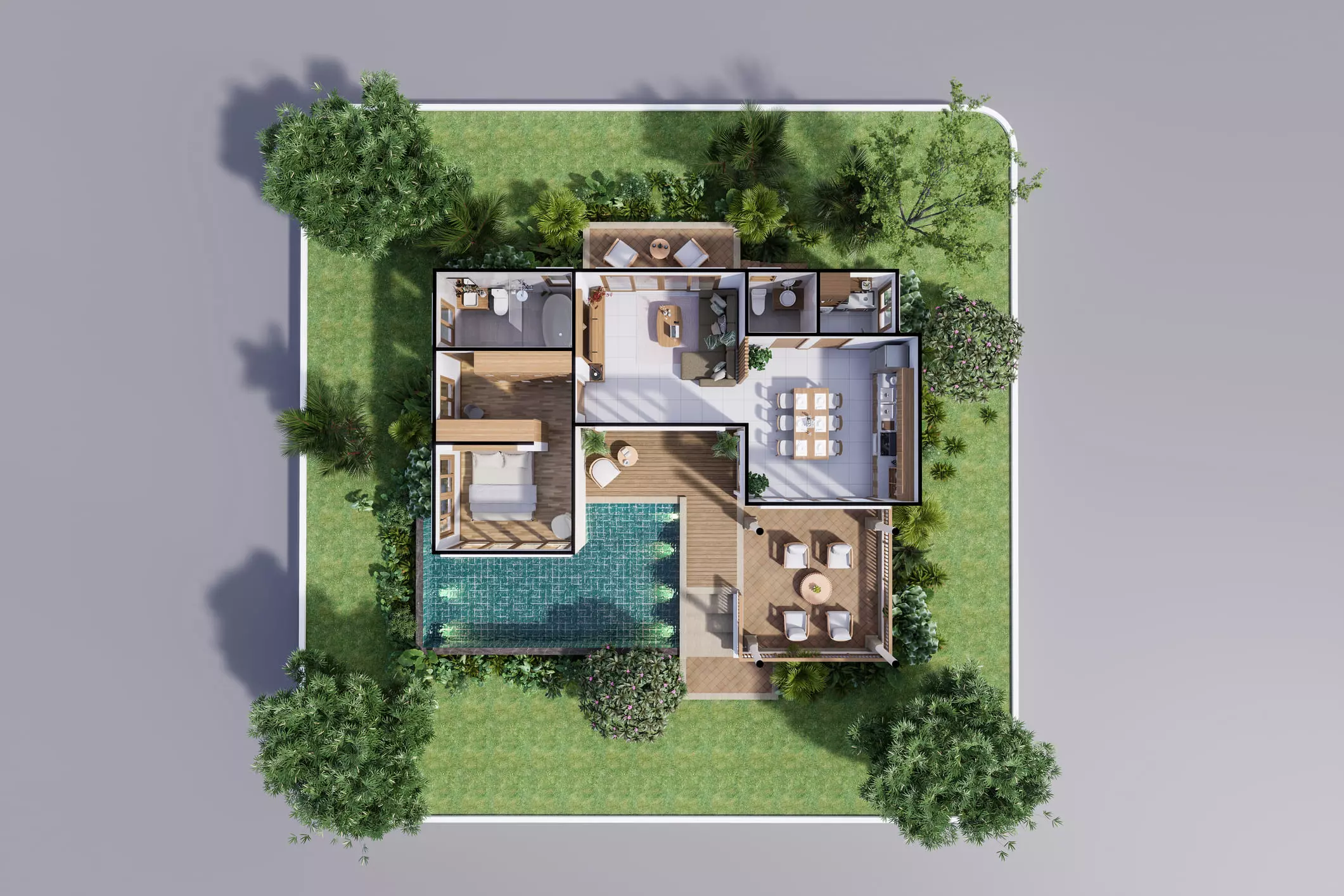
Three-dimensional floor design entails creating a detailed, realistic 3D view of the layout. In 3D visualization, this technology is an integral part that allows architects, designers, and clients to see how space is arranged in a building before the work begins.
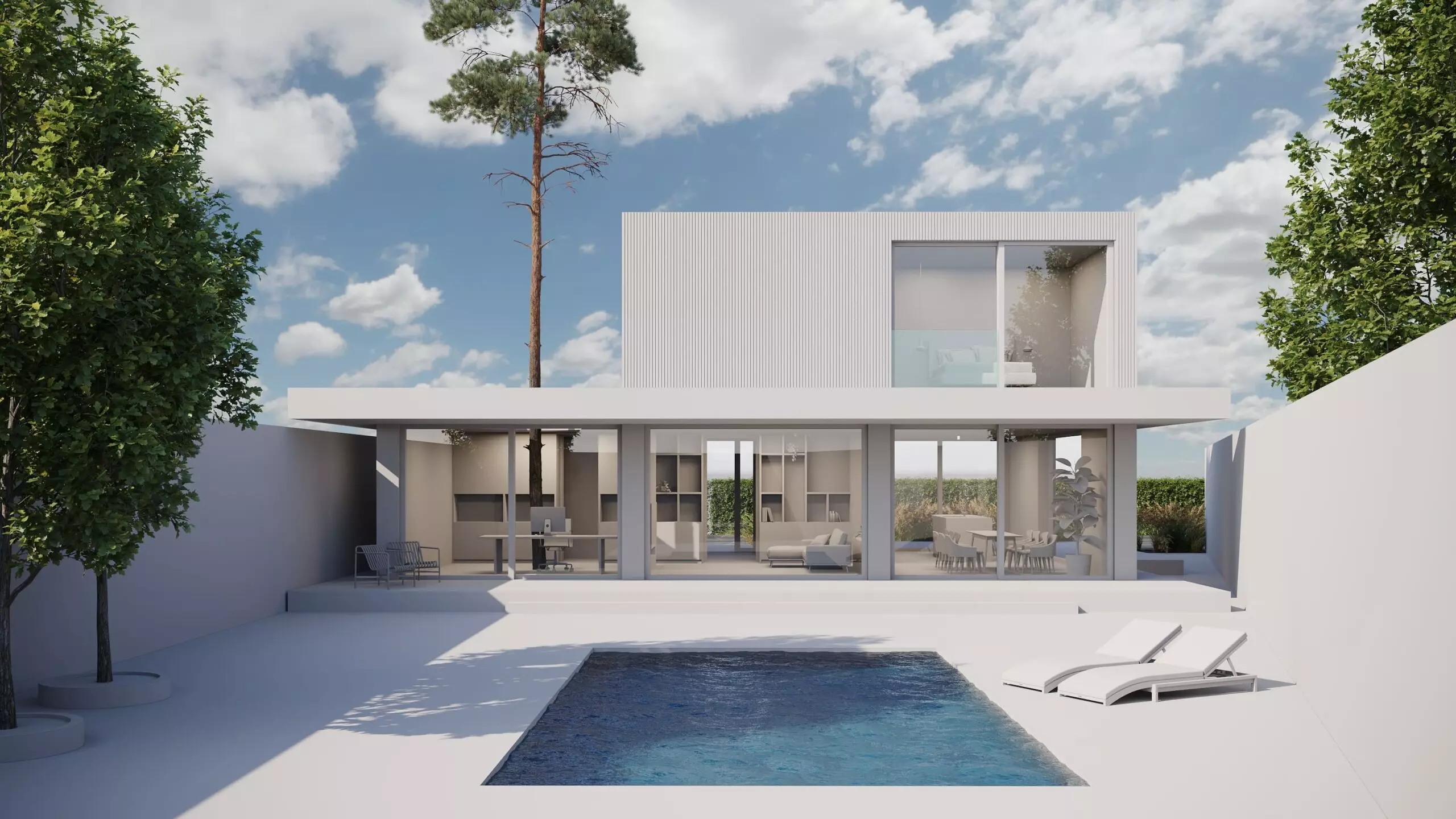
Increasingly more detail in models is one of the ways in which 3D architectural modeling services perfect atmospheric renderings. Conventional two-dimensional drawings can only provide limited information about a building plan leading to misinterpretations or even no clarity at all.

What do we call an architectural and design project created by using specialized software to show really detailed, realistic images even before the constructions are created? That’s right: we are talking about commercial rendering. They are vital graphic tools for builders and designers who want to show their concepts in an appealing way.

The technologies CAD and BIM keep evolving thus shaping future architectural design space today. However many architects still rely on CAD as an essential tool since majority clients’ requirements can be met by using two-dimensional drafting or simple three-dimensional modeling techniques. Its wide application in architectural firms and user-friendly interface makes it the most widely used software in this field.

Effective project management plays a crucial role in ensuring the success of CGI projects. What does CGI project organization include? First of all, organization and planning elements:

Unlike traditional photography or two-dimensional drawings, 3D rendering provides an interactive space where ideas can be worked on with unmatched realism and adaptability. Whether it is architectural designs (made with the help of a special software), product prototypes, or interior décor plans, among others – all these can be visualized by businesses accurately through the use of this technique.